
Articles
IssueM Articles
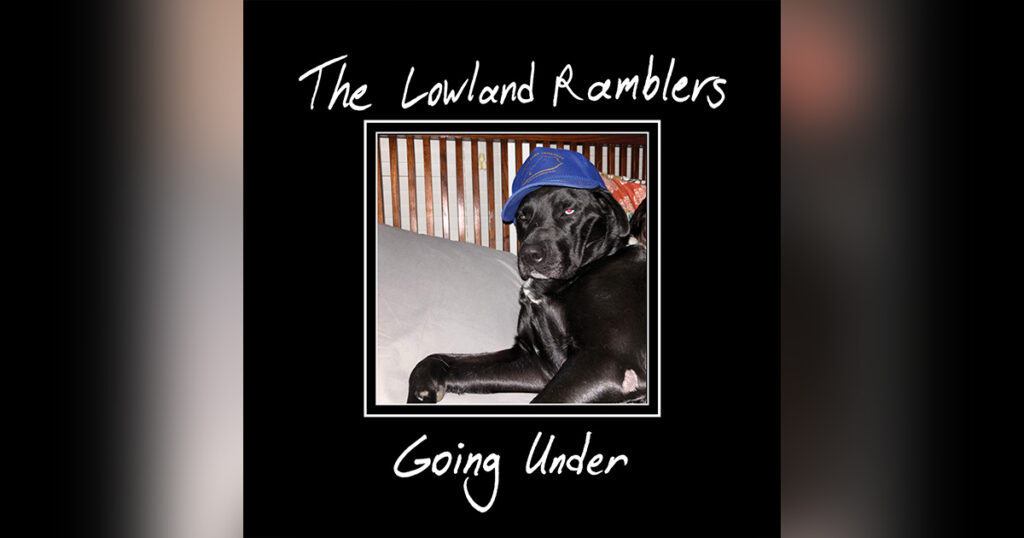
Going Under
This is another of the bands from the Kentucky, Ohio Valley area who are making a name for themselves. The group consists of Chris Abell (guitar, vocals), Alex Abend (bass, vocals), Blythe Dahlem (mandolin, vocals), Sam Sanford (banjo), Dustin Taylor (lap steel), and Tristan Howard (pedal steel). Their original songs cover the gamut of vintage…
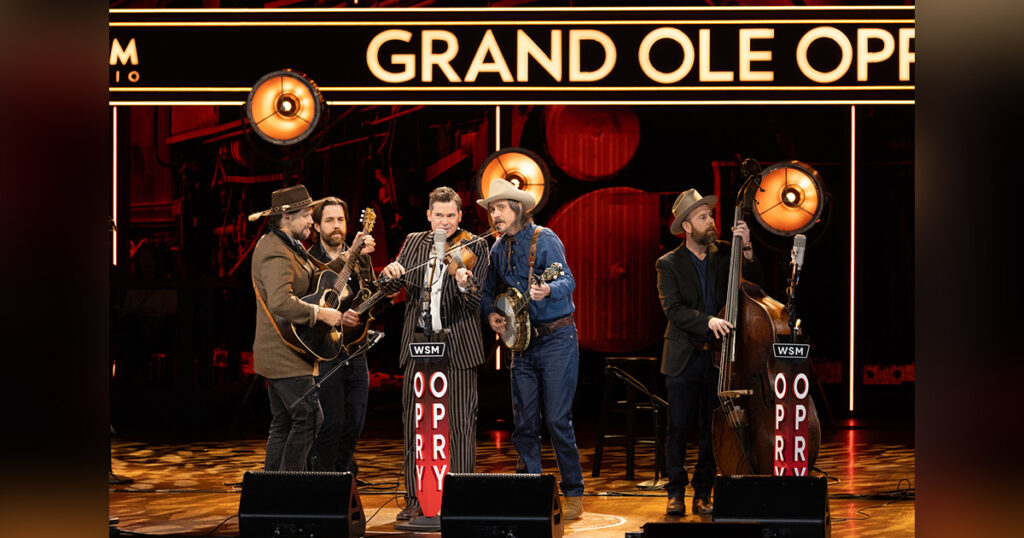
Opry Hosts 25th anniversary Celebration of O Brother, Where Art Thou?
In the same vein that “Man Bites Dog” is bigger news than “Dog Bites Man,” a soundtrack that eclipses its own blockbuster movie makes for better headlines. On February 28, a packed house at the Grand Ole Opry celebrated the 25th anniversary of O Brother, Where Art Thou? The impact of the movie’s music, however,…
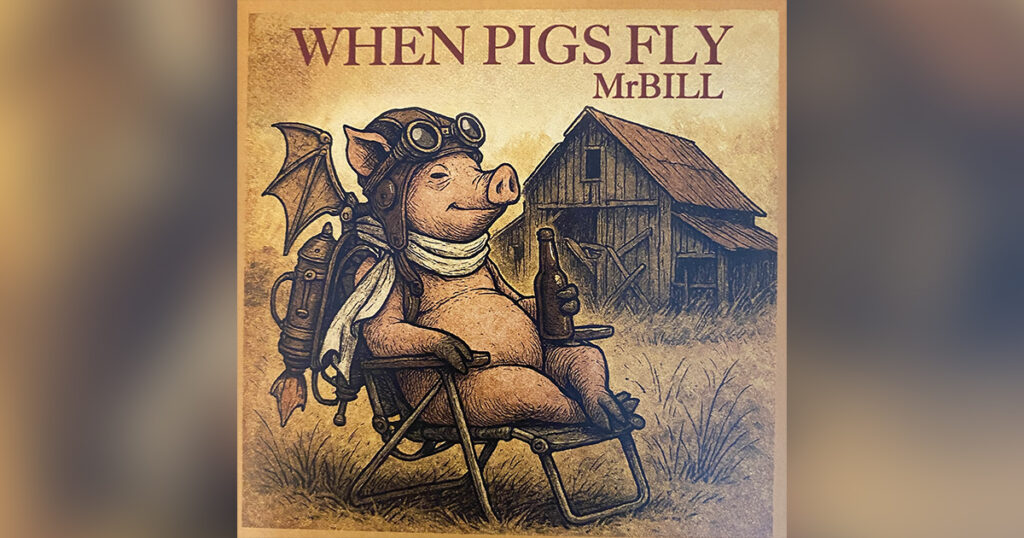
When Pigs Fly (2025)
Based in Keene, New Hampshire, this group has become a popular attraction throughout the New England area. The band consists of John Meehan (mandolin, kazoo, vocals), Matt Atkinson (guitar, vocals), Rich Sullivan (banjo), and Steve Armstrong (acoustic bass). Guests include Elise West (fiddle, vocals, narration), and The Mountain Doo-Wop Boys. This project was released in…
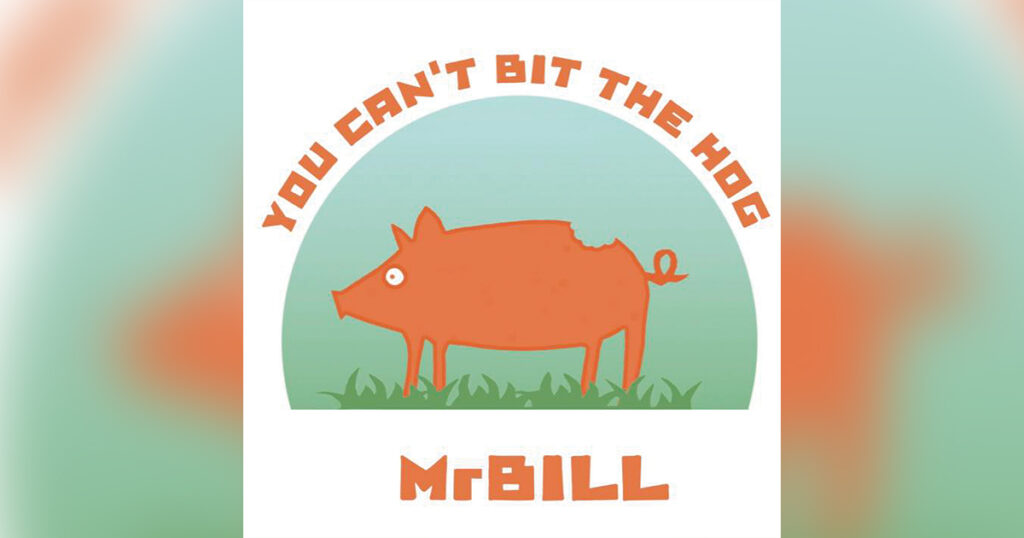
You Can’t Bit The Hog (2024)
MrBill is a four-piece bluegrass band from the Keene, New Hampshire area. This project was released in November of 2024 and features a mix of original and contemporary bluegrass music. The band members are Steve “Zuber” Armstrong (acoustic bass), Rich Sullivan (banjo), John Meehan (mandolin, vocals), and Matt Atkinson (guitar, vocals). John Meehan is the…
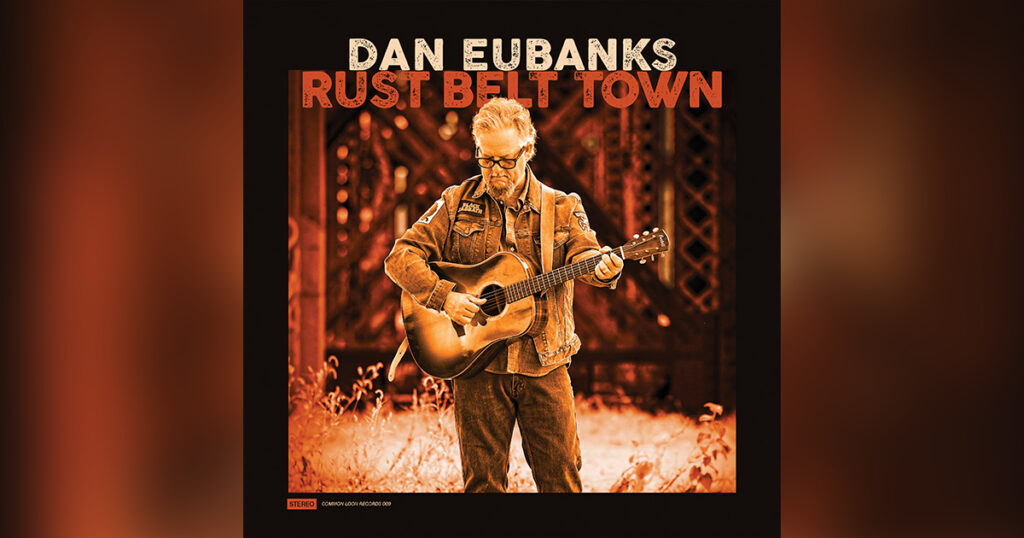
Rust Belt Town
Releasing a new solo album may not be the most conventional way to begin retirement, but for Dan Eubanks, that path has worked well. In November 2025, bassist Eubanks played his last official show with Special Consensus after more than twelve years with the band. The parting was more than amicable, with Eubanks and the…
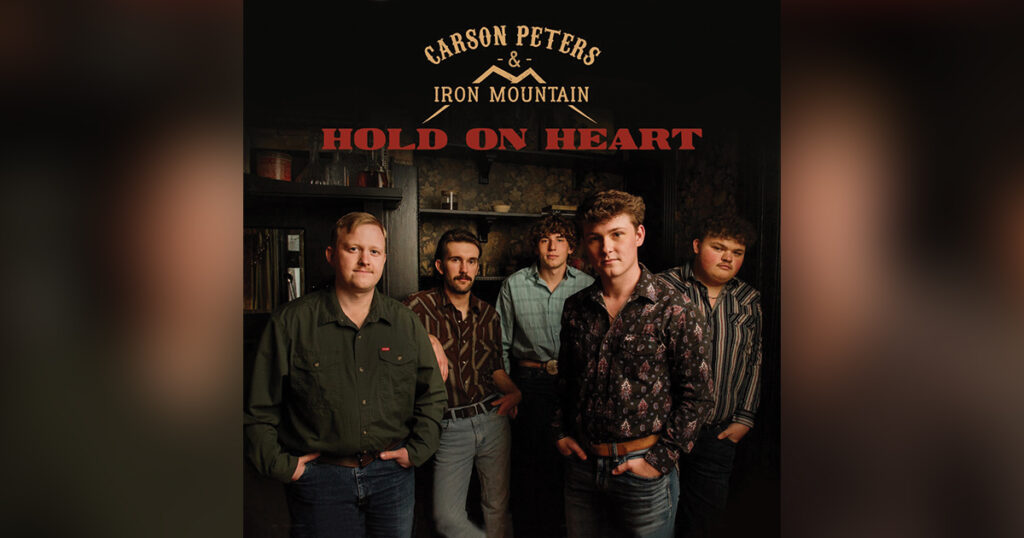
Hold on Heart
This sure is one high-octane, peak-performance musical experience. Carson Peters and Iron Mountain are firing on all cylinders, and what a joy it is to listen to all the gears turning together. They manage to convey a friendly front porch pickin’ session feel while absolutely ripping along at top speed. Bonus points for picking out…