
Articles
IssueM Articles
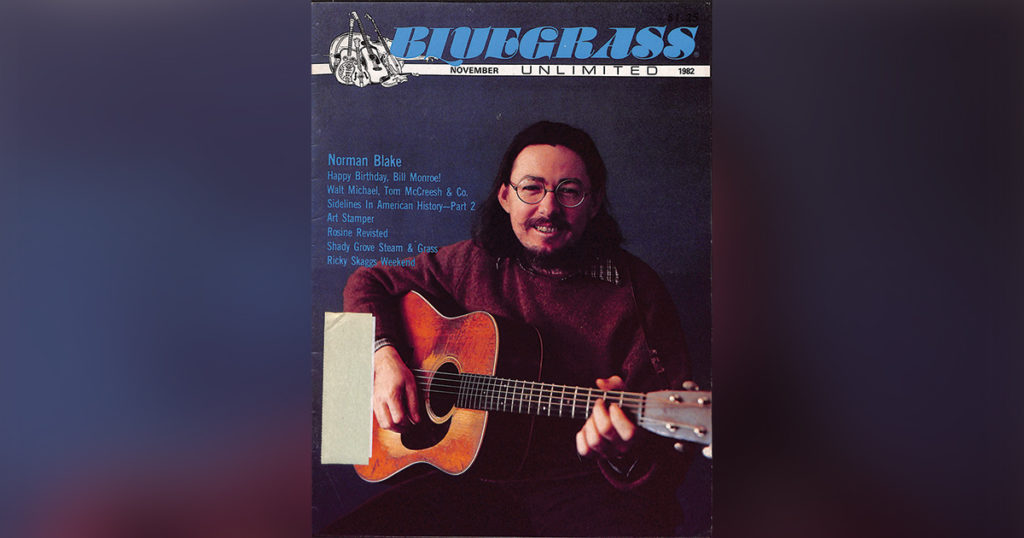
Norman Blake
Reprinted from Bluegrass Unlimited Magazine November 1982, Volume 17, Number 5 Norman Blake is as close to being a “star” as a musician can get in the field of old-time acoustic music. With the aid of a single-minded sense of where he wanted his music to go; and of dedicated hard work that would satisfy…
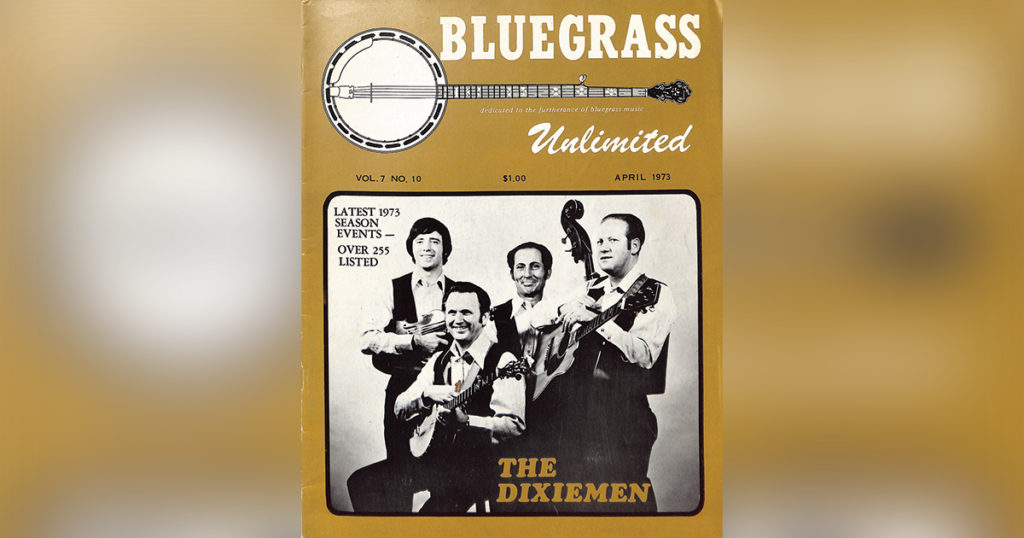
Rual Yarbrough and the Dixiemen
Reprinted from Bluegrass Unlimited Magazine April 1973, Volume 7, Number 10 Rual Yarbrough and the Dixiemen have had a long and very successful career. The group has included some of the finest musicians and undoubtly some of the nicest people in bluegrass music today. Rual Yarbrough was born Jan. 13, 1930 in Lawrence County (south…
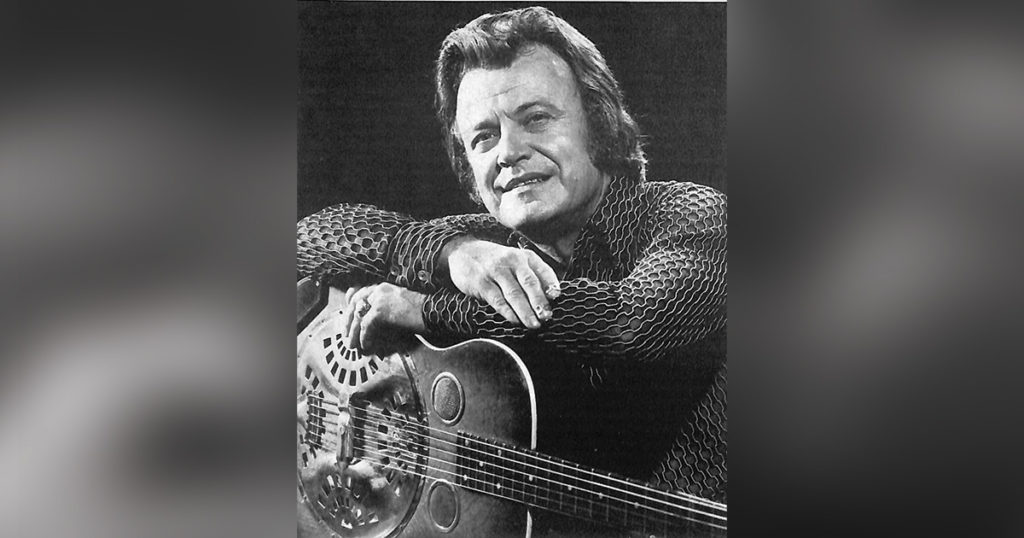
Josh Graves—Dobro Virtuoso
Reprinted from Bluegrass Unlimited Magazine July 1982, Volume 17, Number 1 He is popular with the people. He will talk to them for hours.” A bluegrass festival promoter is speaking. “He has alot of friends,” comments a popular bluegrass musician. “He’s a very versatile musician. He plays more instruments than most people know about.” So…
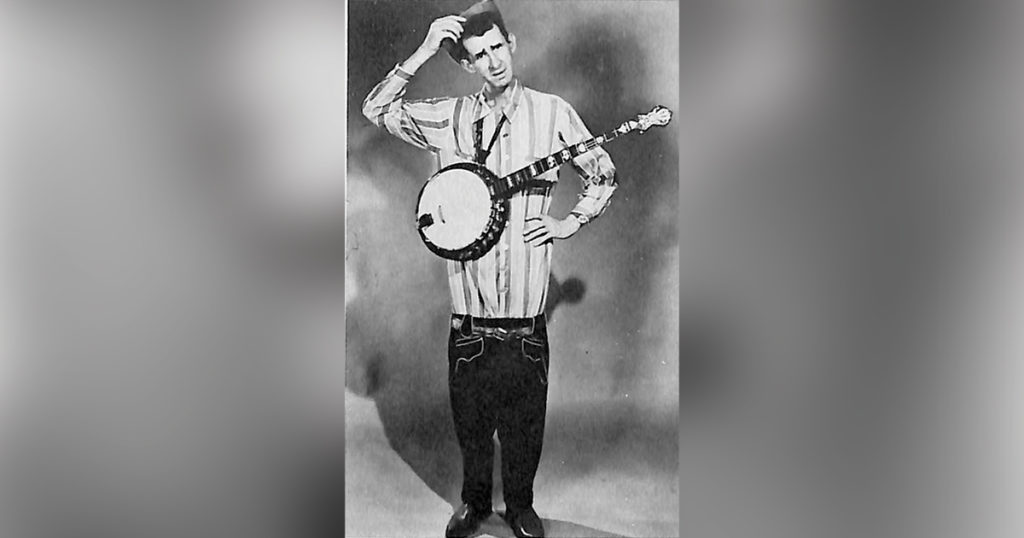
Stringbean
Reprinted from Bluegrass Unlimited Magazine January 1974, Volume 8, Number 7 David “Stringbean” Akeman was probably more loved as a total personality than anyone in show business today. He criss-crossed bluegrass and country lines for nearly four decades and, if somebody had tried to define which side of the fence he belonged on. String would…
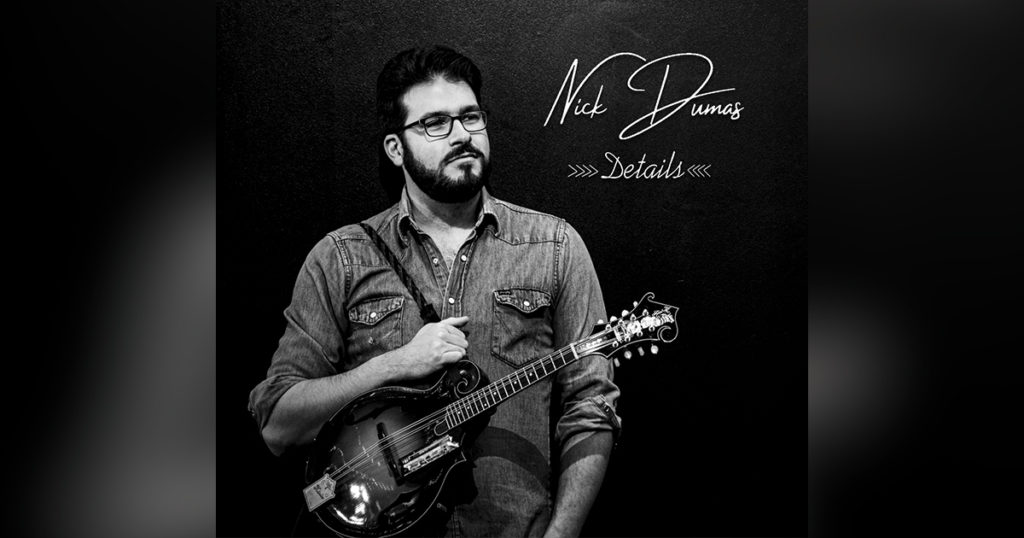
Details
“Details,” the opening track of Dumas’s second solo album, an uplifting and encouraging love song, jumps right out at you in a warm and welcoming manner that persists through this entire 11-song collection. Dumas, of course, is the sort of celebrated musician from whom we’d expect nothing less. The Grammy-nominated, IBMA award-winning singer and mandolin…
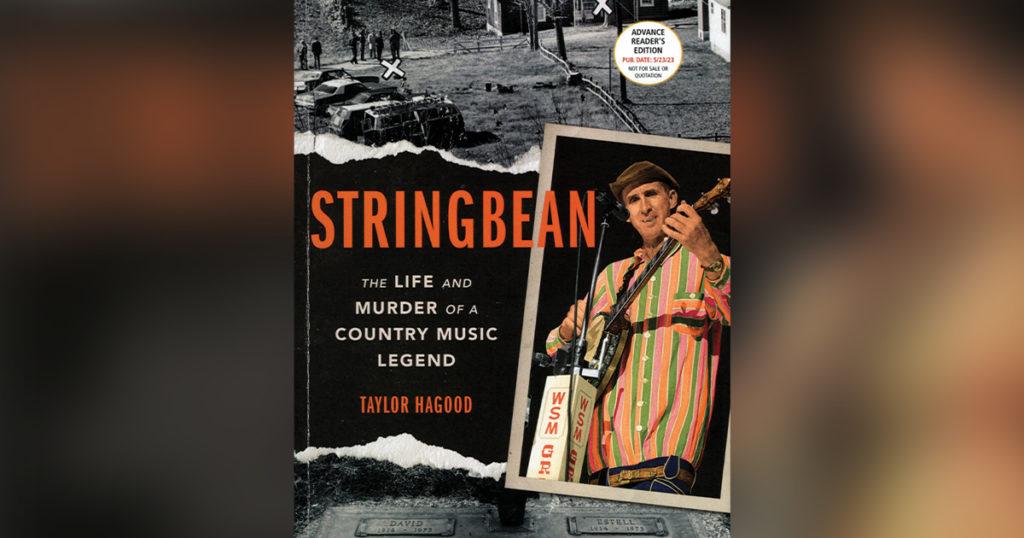
Stringbean: The Life and Murder of a Country Music Legend
Many bluegrass fans and scholars mark the beginning of bluegrass music, as we know it today, from the date in late 1945 when Earl Scruggs joined Bill Monroe and his Blue Grass Boys. However, the band had been active on the Grand Ole Opry, in various configurations, since 1939. During those first six years, Monroe…