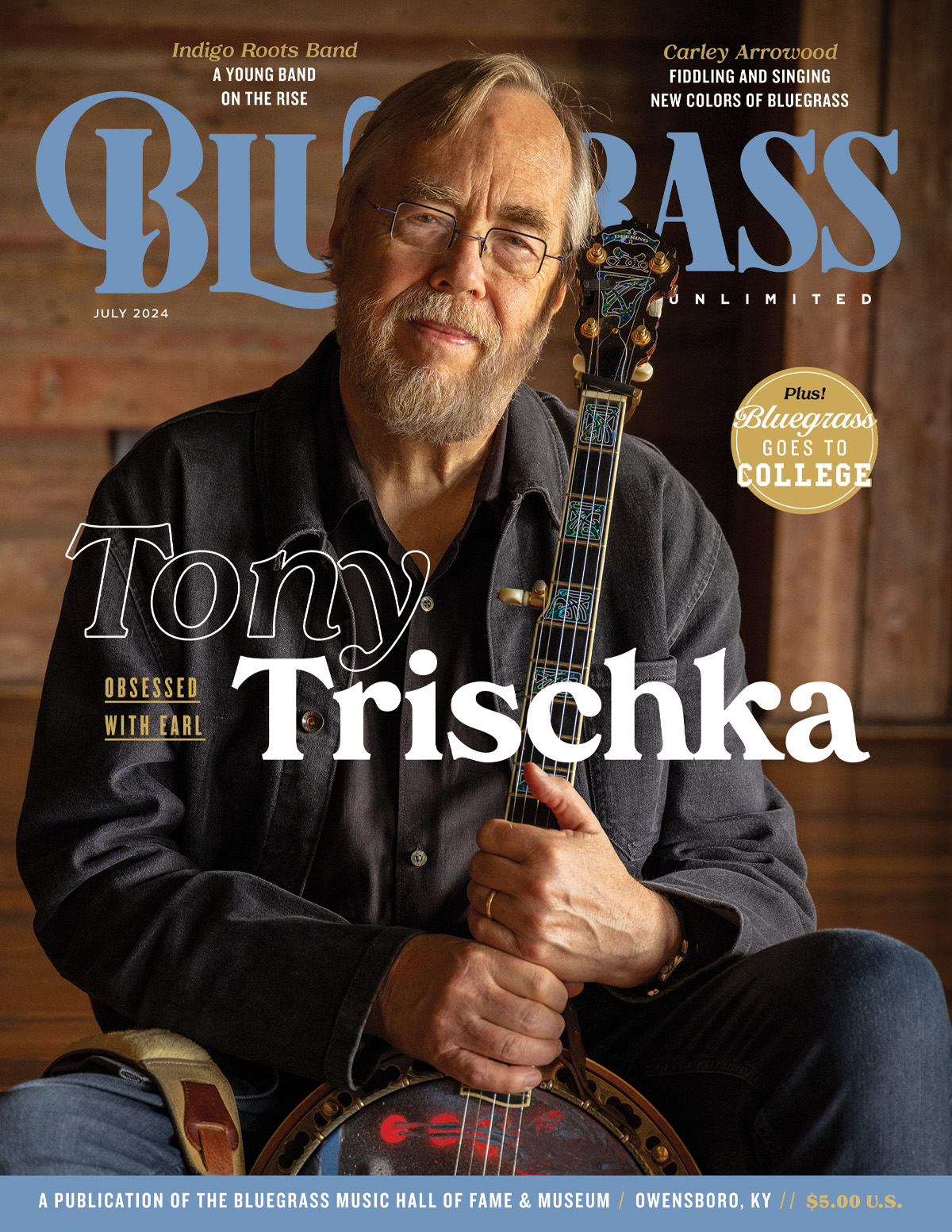
Obsessed With Earl
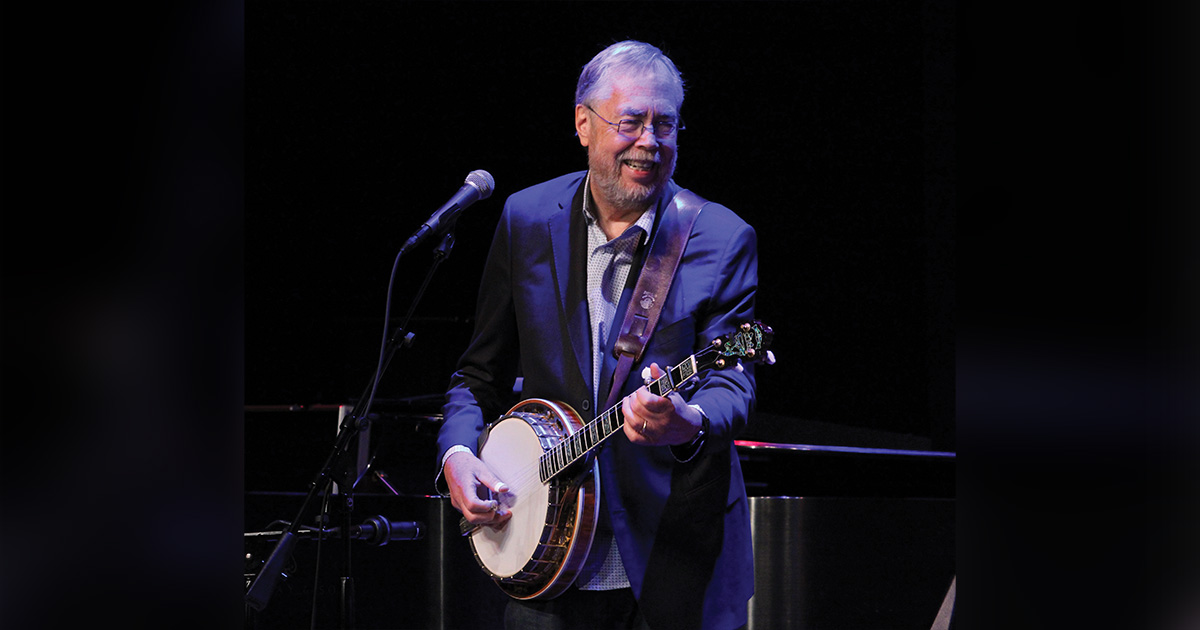
That may be the understatement of the year, when assessing the ways which Tony Trischka has been spreading the Gospel of Scruggs in the 100th year of Earl’s birth. Not only was Tony an integral part behind-the-scenes of the new exhibit Born of the Broad River: The Life and Career of Earl Scruggs in His Own Words 1924-1945 at the Earl Scruggs Center and involved with the Scruggs Centennial Celebration earlier this year at the Ryman Auditorium (the same place where Scruggs revolutionized American music with his “fancy banjo”), his latest album, Earl Jam takes his infatuation with Earl Scruggs to another stratosphere.
On the surface, Trischka may seem an unlikely conduit for promoting America’s greatest banjo innovator, partly because Trischka’s role in bluegrass history is already secured as a banjo innovator in his own right. Just as Ramblin’ Jack Elliott serves as the link between Woody Guthrie and Bob Dylan in folk music and the Louvin Brothers serve as the link between the Delmore Brothers and the Everly Brothers in the world of brother-style duet harmony, so Tony Trischka is the link between Bill Keith and Béla Fleck in the world of progressive bluegrass banjo playing. However, his journey with the five-string banjo began in earnest with Earl Scruggs, and both the man and the instrument have been passions of Tony’s ever since.
Tony Trischka’s introduction to Earl Eugene Scruggs began a few degrees removed from the source. A young man in the northeast, he had heard The Kingston Trio’s protest song, “M.T.A.” which included a Scruggs-influenced banjo solo, and it piqued Tony’s interest: “Where can I hear more of this?” His next stop was Folkways’ American Banjo: Three-Finger and Scruggs Style, featuring the talents of Snuffy Jenkins, Mike Seeger, Eric Weissberg, Larry Richardson, Roni Stoneman and more. Seeing “Scruggs Style” included in the compilation’s title, caused Tony to seek out a recording featuring the man himself. One of Flatt & Scruggs’ current releases at the time was Folk Songs of Our Land, which caught young Tony’s eye because he was already into folk music. “They did ‘This Land Is Your Land’, and it was a good way to get into bluegrass,” says Tony. “That’s how I got into Earl was from that, and I was hooked immediately.” This was just the beginning of Tony’s lifelong Scruggs addiction.
Scruggs’s disciples, past and present, have always had a voracious appetite for Earl Scruggs’s licks. It’s a search that goes far beyond the massive catalog of studio recordings of Earl, but branches into an Indiana Jones-like hunt for live performances, radio show recordings and more, which is one reason that the treasure trove of essentially never-before-heard Earl Scruggs recordings that fell into Trischka’s lap a few years ago during the throes of the pandemic completely turned Tony’s world upside down.
“I thought I had a pretty good handle on his style,” says Tony, “Now it’s like, ‘No, I had no idea what he was doing because there was all this other stuff that no one has ever heard, and he’s doing all sorts of wonderful things — surprising things.’”
As a Scruggs aficionado, Tony knew that there were some Scruggs recordings waiting to be unearthed, because of his keen understanding of Scruggs’s catalog. Bob Piekiel, who had worked on transcribing Earl’s tunes for instructional publications, had a column in Banjo Newsletter over a decade ago entitled “Earl’s Way,” which featured tablature of the way Scruggs played certain songs. While reading the column, Tony began to scratch his head because some of the material was new to him and unavailable, even among the deepest wells of bootlegged recordings. As fate would have it, a few years ago Tony Trischka and Tom Adams were working with Bob Piekiel on the latest edition of the Earl Scruggs tablature book. “Here and there while we were working on these, I get emails occasionally (from Bob) with a tune from one of these jam sessions… He sent four or five of these, and finally, one day I check the mail, and here comes a thumb drive with at least 200 tunes!”
Recorded primarily between the mid-eighties and mid-nineties, these primitive recordings are from various Nashville jam sessions, mainly held at Earl’s house, and featuring a who’s who of legendary musicians surrounding Earl, including John Hartford, Benny Martin, Mac Wiseman, Del McCoury, Tony Rice and more! It was actually John Hartford’s foresight that preserved these historic gatherings. “At some point, John Hartford would record all of the jam sessions on a small cassette machine and, according to Bob, John said to him, ‘Look, if my house burns down, all of this music will be lost, so let me make copies for you.’ So he copied all of these cassettes, sent them to Bob, and in more recent times, Bob digitized it all.”
There is much to be gleaned from this massive discovery. For one, this is an era of Earl’s career which is frequently overlooked, partly due to the fact that he didn’t record much during this timeframe. These jam sessions provide a great snapshot of Earl’s mindset, attitude and approach to the banjo at a time when there is not much known. Earl made some great records in the early 1980s, the last of which was American Made, World Played in 1984. Then, there is a drought in Earl’s recording output until 2001’s Grammy award-winning, Earl Scruggs & Friends. These archival jam session recordings provide valuable insight into Earl during this gap in his discography.
“These were some of the most productive years of his career,” says Tony about some of the revelations that this plethora of recordings provides. “In his later years, I haven’t seen anything captured that he was incapable of doing. He could play really fast at this time — like really fast. As fast as the original ‘Foggy Mountain Breakdown’ or ‘Farewell Blues’ or anything. He was just burning fast for the tunes that required that. It wasn’t like he was having trouble keeping up with John Hartford or anything. He was just burning it down. His time was impeccable throughout.”
It’s not just Earl’s ability to maintain his blistering speed while in his sixties that impresses Tony, but also what Earl is doing that we are not accustomed to hearing from the master — that Earl is still learning and growing, even as an established legend. In addition to playing with the same power and ferocity with which bluegrass fans would expect from Earl, “There are also tunes where he is playing with a lot more dynamic range where it’s almost like an ocean wave going on there,” says Tony. This growth in dynamic range for Earl during this era astounds Tony. “He’s playing fairly loud, then he lightens up his touch in the middle of one solo, which is exactly how John Hartford played banjo. Listen to his playing, and there is a lot of dynamic range which Earl didn’t have on the recordings we know him by. In not a small number of places (on these tapes), he’s playing with that dynamic range which is just a whole other way of improvising. You could be playing the same notes two times in a row and have a much different approach instead of just hitting it hard and driving through the whole thing — just harder and lighter in one solo — so that was a real eye-opener for me, too, that he was doing that.”
The dynamic touch is just one of many insights into Earl’s playing that Tony Trischka gained from these jam session recordings. With the setting of a freer environment — not in the studio or on stage, but in jam sessions among friends — it created an uninhibited freedom that allowed many exciting, new and creative ideas to bubble up that otherwise may not have.
“It was just freeform and just having a champion racehorse that’s been in the stall for many, many years, and finally, he’s got a chance to run free over the prairie or around the racetrack,” hypothesizes Tony. “He will alternate with John Hartford and take a total of four or five solos, or he’ll take three or four solos in a row, back-to-back, and just get deeper and deeper into the tune, coming up with new and fresh ideas.”
It’s the expansion of what we view as “Scruggs style” banjo playing that particularly fascinates Trischka. These new ideas, which he heard for the first time on these jam session tapes, radically expand one’s understanding of Earl’s approach to the instrument, showing that Scruggs style is much deeper than previously assumed. This is particularly appealing to Trischka, who is a student of many different approaches to the instrument. “I’m not locked in to one style I pursue,” says Tony, who is known to tackle melodic, single-string, Scruggs and his own style of banjo playing (among others), often on the same record. “I have a lot to draw on; Earl is drawing on Scruggs style — it’s a vast panorama of a musical style.”
As a student of the banjo, Tony decided to take his excitement about these new recordings, and direct that energy into studying this “brave new world” of Earl’s banjo playing. “Well, I started listening to these things, and of course, being a banjo nerd, I had to start transcribing them and slow them down to half-speed to figure out what he was doing on this,” says Tony. “You hear it and you think, ‘Yeah, I understand what he’s doing,’ then you transcribe it, and it’s like, ‘Wow! I didn’t hear that at full speed!’ — some really subtle things!” It was through this process, that Tony decided that the world needed to know what wonderful music that Earl was playing during this era. “Once I started transcribing, I started to think, ‘These recordings may never see the light of day. People should know what Earl did on these. He did all of these different things, and I want to share this with whoever wants to hear them.’”
And thus, the idea of Earl Jam was born.
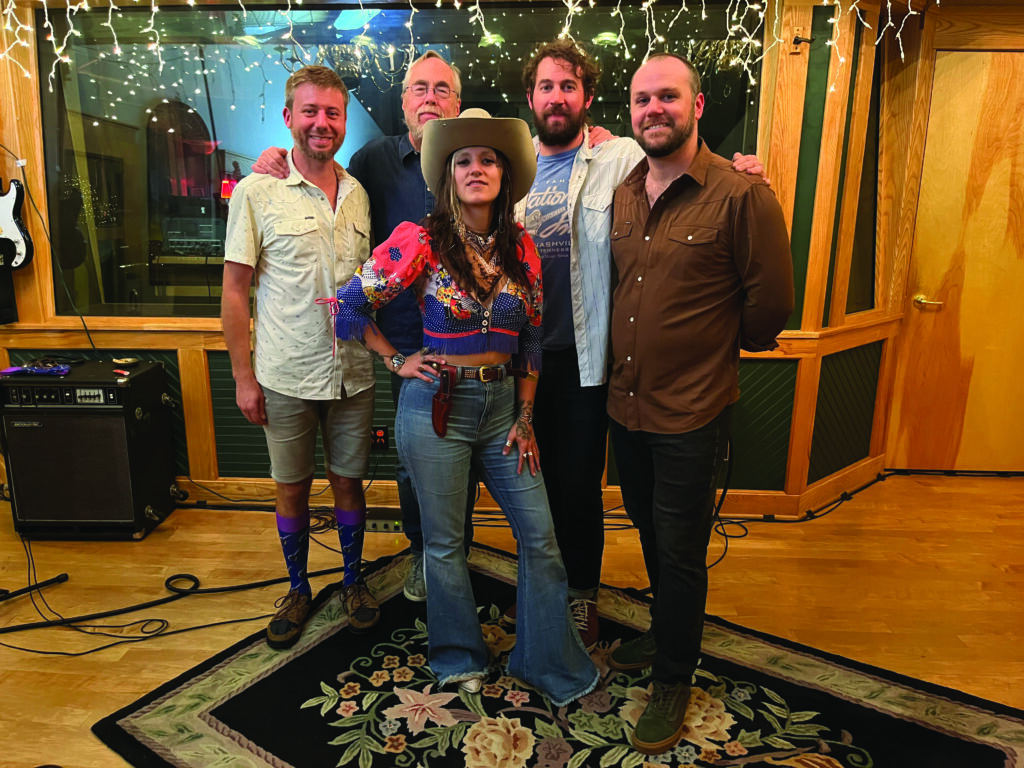
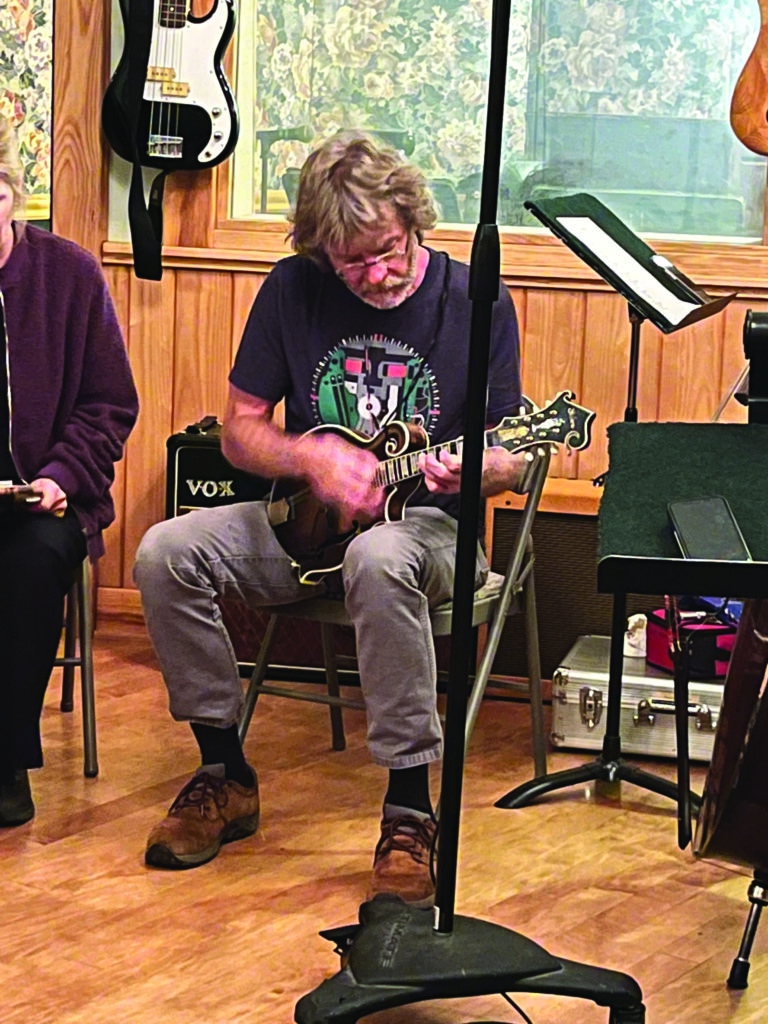
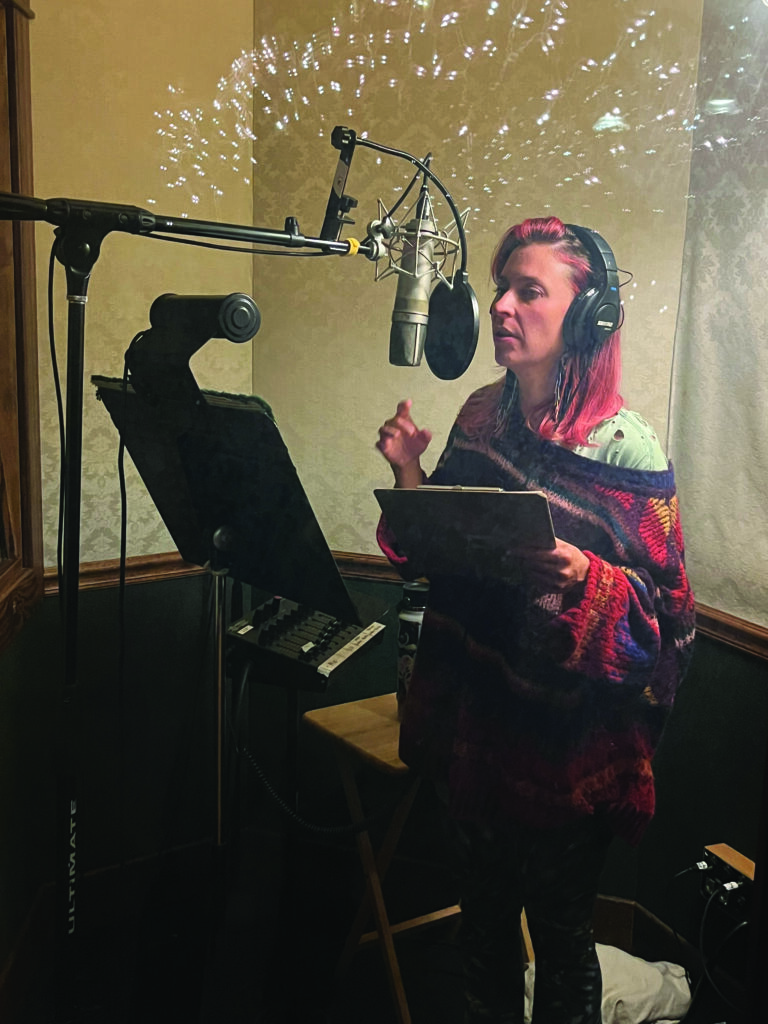
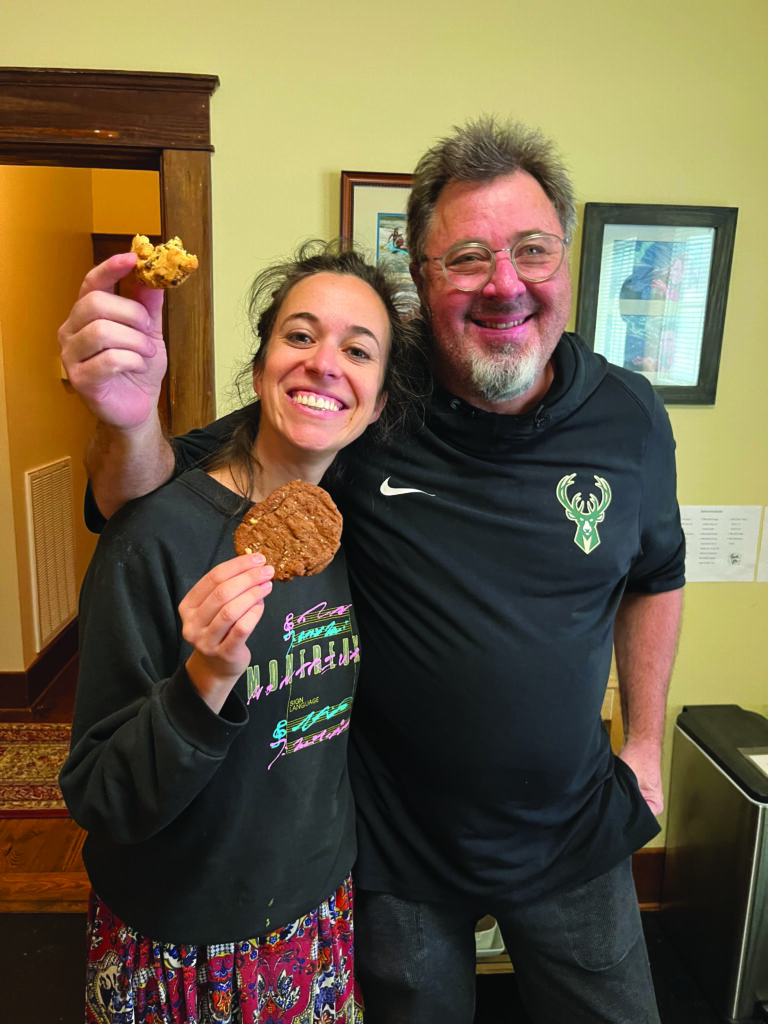
True to the essence of the source material, Tony Trischka set up the recording sessions much like a jam, surrounded by a who’s who of bluegrass, past and present: Billy Strings, Béla Fleck, Dudley Connell, Bronwyn Keith-Hynes, The Gibson Brothers, Mark Schatz, Michael Daves, Vince Gill and more appear on this project. “In a way, it was a jam session unto itself. I didn’t give anyone any direction. I’m not going to tell Michael Cleveland what to play, or Sam Bush. Sam’s going to be Sam and Michael’s going to be Michael… I think by nature of the fact that we’re just sitting around jamming on these tunes, at least everyone else was, is kind of in the spirit of that.”
He says “everyone else was” because Tony’s role on this record is very unique: he is serving as a vehicle to bring these new Scruggs licks to bluegrass lovers everywhere. “Every note I play, every single note I play taking a solo, it’s all Earl’s stuff… There’s nothing of mine on here. The backup is my backup, but it’s all in Scruggs style, working out of his backup ideas. Every single solo I take is note for note what Earl played in these jam sessions.”
What’s particularly shocking about this fact is not only the quality and creativity of the banjo playing, but the material on which it appears. All of the songs from Earl Jam are from these archival jam session recordings as well, which is why many may furrow their brow at first when looking at the list of songs and think “That’s not an Earl Scruggs number, is it?” Many of these songs would be considered “new” to the Scruggs repertoire, as they do not appear on previous Earl Scruggs albums, Martha White broadcasts, radio performances, bootlegged live shows, etc. Due to the precision with which Earl executes these songs, even in an informal jam session setting, it would be easy to assume that Earl must have been familiar with the material, which he quite possibly could have been, but Trischka is more apt to conclude that Earl Eugene Scruggs was just that caliber of a musician, that he would shine on any song, regardless of whether he had previously performed it or not.
“His musicianship was on such a high level that he could just pick something up immediately and sound good on it. Or a tune that he’d heard, something like ‘San Antonio Rose’,” which is included on Earl Jam, featuring Americana star, Sierra Ferrell, “he takes a beautiful solo — more single, almost like playing the melody without too many rolls, but he does it perfectly. How much did he play that? That’s my sense that he’s on such a high level of musicianship beyond even what we could recognize from all of the beautiful music he made since 1946-47 with Bill Monroe.”
This conclusion rings true, not just for “San Antonio Rose” but for all of the songs throughout the roughly 200 songs Trischka received from these jam session recordings — songs running the gamut from Bob Dylan to Waylon Jennings to John Hartford compositions. “There is no place where it just falls apart, or he sounds like he’s uncomfortable.”
Another great example is The Dillards’ classic, “Dooley.” “I don’t know if Earl ever played that (before),” says Tony. “He takes a great solo on it!” This song is also included on Trischka’s Earl Jam, featuring Molly Tuttle and Sam Bush.
When Tony reached out to Molly Tuttle about being a part of this all-star project, and suggested some songs for her to consider, “Dooley” jumped out immediately. “I really wanted to do ‘Dooley,’ since I wrote a song called ‘Dooley’s Farm’ and I have always wanted to cover the original inspiration for that song,” says Molly. While one of the most heralded guitarists in today’s roots music scene, Molly has also been influenced by the music of Earl Scruggs, in more ways than one. “I started playing the banjo as a kid, so I would learn Scruggs-style playing, but now in my music, so much of those patterns have woven their way into my guitar playing because I learned the banjo and felt inspired by those rolls, I would incorporate it into my cross-picking patterns.”
The set-up of the sessions with Tony playing Earl’s breaks exactly as Earl played them originally did present some new challenges when applying the concept to a group setting, resulting in some unique arrangements. “It was interesting because he is playing Earl’s part note-for-note, but for me since I am singing and I am a woman, I have to sing it in a totally different key than the original,” says Molly. “That kind of forced us to come up with this interesting arrangement where I’m singing it, we modulate so he can play the banjo part in the original key, then Sam Bush sings a verse in the original key, then it goes back to me in a different key where I can comfortably sing it, so that alone just gave it this interesting, new sounding arrangement that you don’t hear every day, just out of necessity,” Molly adds with a laugh.
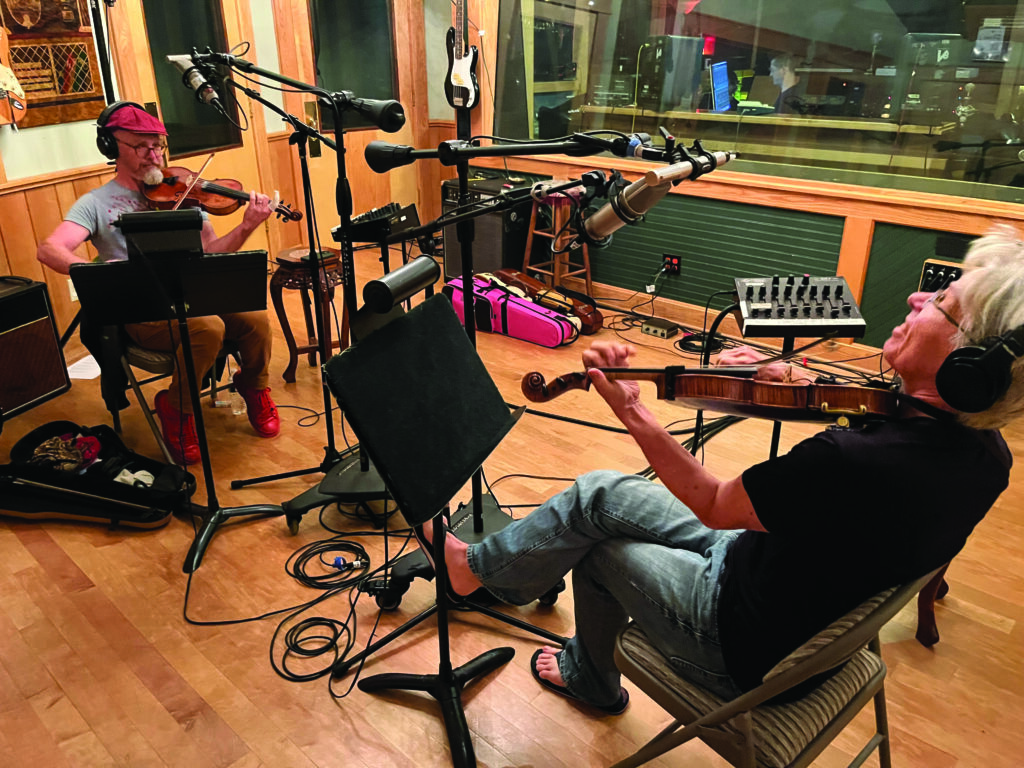
Michael Cleveland was a part of several of the recording sessions for Earl Jam, contributing some marvelous fiddle work throughout the album (including a mind-boggling triple fiddle solo on “Freight Train Blues” which Trischka calls “just ridiculous”). For Michael, Tony’s passion for this project and for Earl Scruggs was simply contagious. “Here’s Tony Trischka, this really progressive banjo guy. He’s the guy that really inspired Béla and all of these banjo players to kind of push the envelope a little bit and really plays a lot of this chromatic, melodic stuff,” says Michael. “He was just like a kid — just so excited about this Earl stuff, which is really cool, considering that he does a lot of things that are quite a bit different than that.”
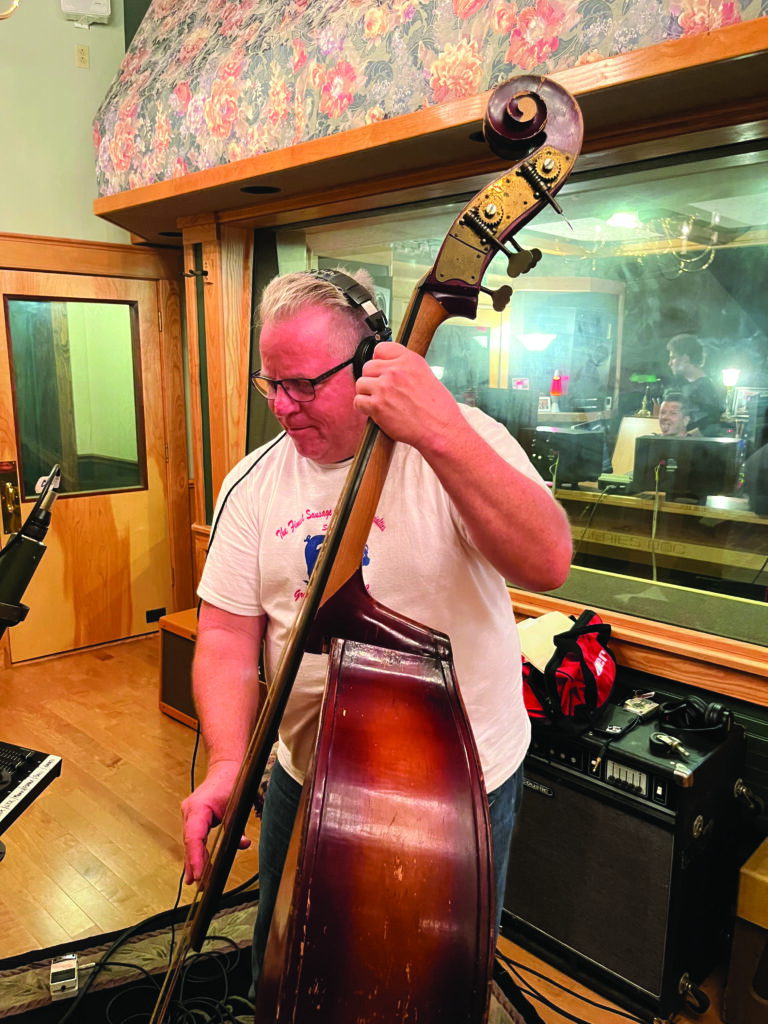
For Jason Carter, who played fiddle on the project’s inaugural session, which essentially featured Tony Trischka backed by The Del McCoury Band (“It doesn’t get any better than this: having your backup band as Del and the Boys,” says Tony, who also refers to Jason’s fiddle playing on “Roll On Buddy” as “off the map”), being a part of the album took him back to his formative years as a young musician. “I happened to be at some of those jams… It really brings back some good memories for me, because that’s where I got to know Benny Martin. It’s where I got to know Earl Scruggs and John Hartford,” recalls Jason. “It was cool to record some of that stuff with Tony. Man, he’s got that banjo stuff down like Earl…”
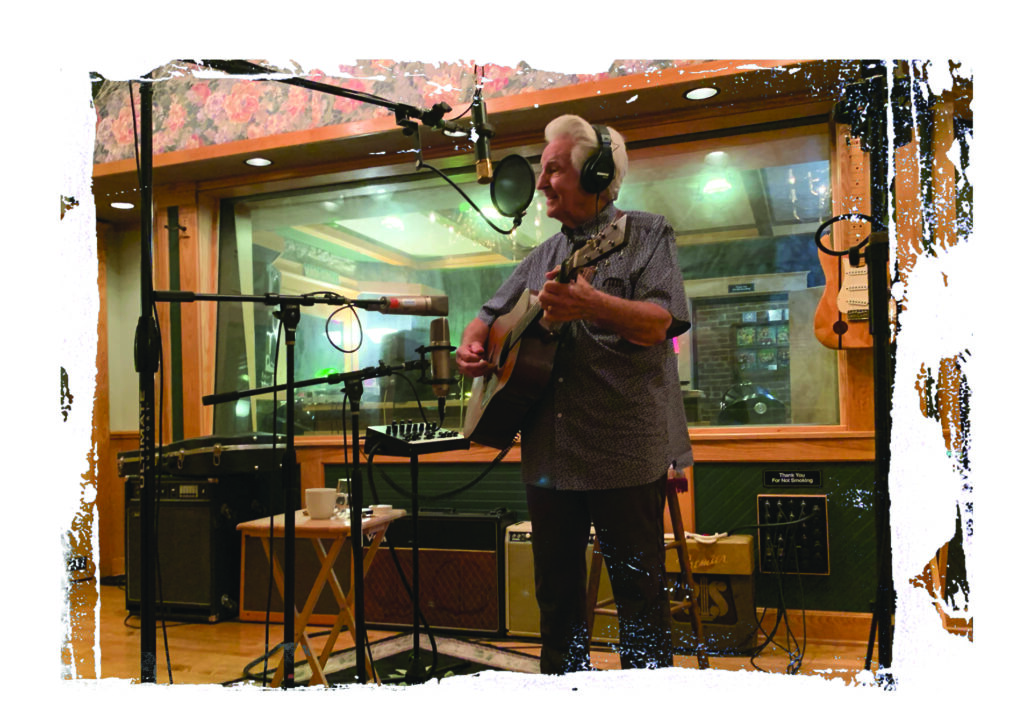
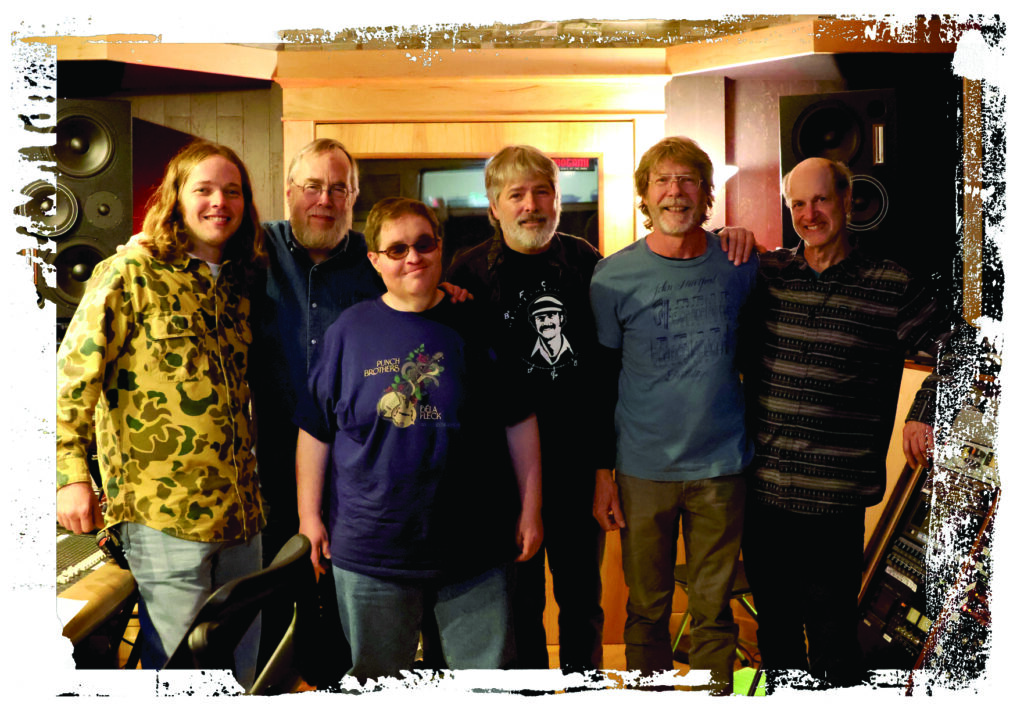
Tony’s enthusiasm was also inspiring to Jason. “Watching somebody like Tony, of course he’s a hero to us… but it’s really cool to go into the studio and see somebody who’s done this stuff all of their life, and you get there and they’re really excited about playing music. It’s like, ‘Yeah, this is why we do this, because we love it and it’s fun.’ And it’s really cool to see somebody who’s been doing it so long just absolutely love to play.”
The phrase “labor of love” is thrown around a lot in a niche genre like bluegrass where monetary rewards are rarely equitable to the time and hard work invested into making this music, but it’s an expression that seems to fall short when assessing Tony Trischka’s drive and dedication behind not only Earl Jam, but all things Earl as the bluegrass community has celebrated Scruggs’s 100th birthday this year. From painstakingly notating the tablature to each solo, to studying every nuance behind each note which Earl played on these “new” tapes, to the care with which he made sure the Scruggs and Hartford families gave their blessing to the project and the dedication in co-curating the new exhibit highlighting Earl’s early life and career at The Earl Scruggs Center in Shelby, North Carolina, the affection with which Tony approaches Earl Scruggs, his music, and his legacy is truly remarkable. It is also extremely personal to Tony.
“I always say that I wouldn’t exist without Earl Scruggs. He wasn’t my father, but sort of the father of my career. Let’s say this: I wouldn’t be married to the woman I’m married to, I wouldn’t have the kids I have, my life would have been totally different,” Tony reflects. “At various times, I would say that music saved my life… We all have tough times in our lives. The fact that I’m a banjo player thanks to Earl Scruggs, during those tough times, the banjo gave me solace and playing Scruggs style gave me solace… He has had a profound effect on my life. He was this fairly shy, laid-back guy from North Carolina, from a totally different lifestyle and background, unwittingly having a profound effect on my life as he has for thousands and thousands of other people. He just did what he did and changed the world.”
While it’s purely coincidental that Earl Jam is being released on the centennial of Earl Scruggs’s birth, it is certainly appropriate. “I didn’t plan it this way. I just happened to get the recordings when I got them and started recording them. It just happened to get finished in time. I wasn’t trying to have them come out during his 100th birthday. It’s just by some crazy twist of fate that it worked out the way it came out.”
Crazy twist of fate?
Tony remembers when he was around eighteen years old, riding around Syracuse, New York, in his buddy’s Volkswagen with a broken heater trying to pick up the Grand Ole Opry on the radio just to hear Flatt & Scruggs, Bill Monroe, Jim & Jesse, and The Osborne Brothers. “Everyone else we knew would be drinking on a Saturday night or going to a show; we were just trying to catch the Opry up in Syracuse in the VW,” says Tony. “We would wait two hours in the cold of Syracuse in February to hear one or two solos by Bill Monroe… That’s how desperate we were to hear this music.”
To fast forward decades later and by some “crazy twist of fate” that this same young man who was that hungry for this music would stumble in to a goldmine of recordings from his hero, and then serve as the channel for introducing this discovery to the bluegrass community, while also serving as one of the primary advocates for his hero’s legacy, seems less like fate and more like providence.
“I’m just more in love with his music and the man than I’ve ever been in my life because of all this, as you can tell, hopefully.” Don’t worry, Tony — we can.