Notes & Queries – January 2022
Queries
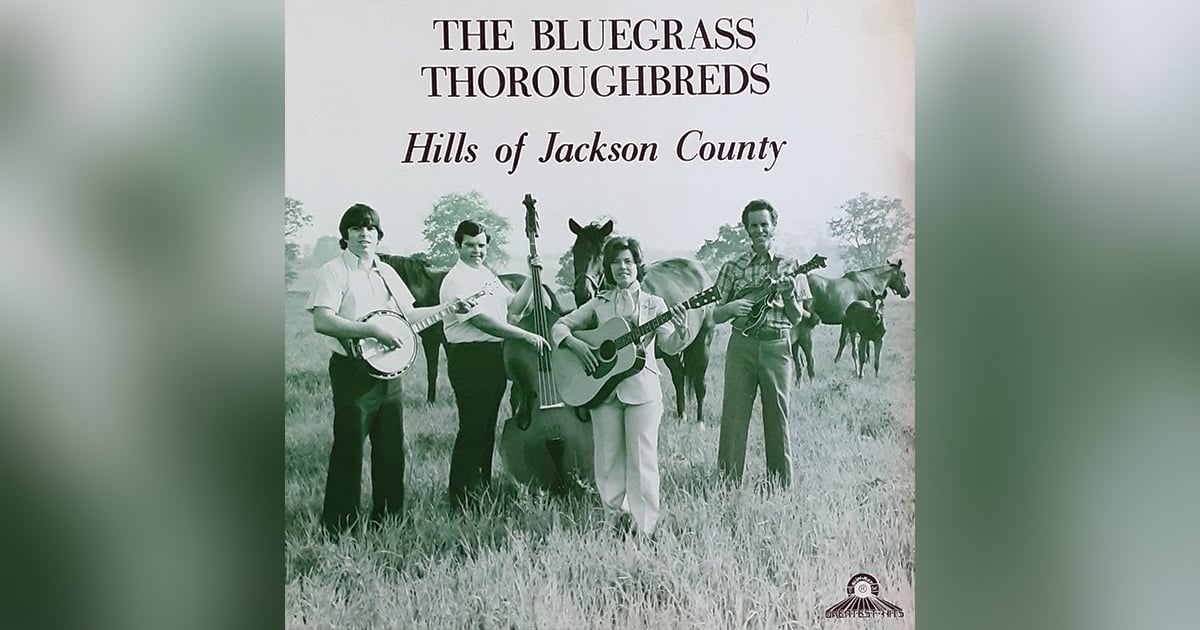
Q: I heard a song “Hills of Jackson County” on the radio recently. Unfortunately, I didn’t catch name of the group. Can you help? DC, via email
A: The name of the group is The Bluegrass Thoroughbreds. The song you heard was the title track from their debut album which came out in 1978. As their name implies, the group hailed from Lexington, Kentucky, which is known for bluegrass and race horses. The band was headed by the husband-and-wife team of James B. (lead guitar and mandolin) and Marcie (rhythm guitar) Malicote. The couple was ably assisted by banjoist Charlie Hall and bass player Clarence Riley. Amazingly, all twelve of the album’s songs were originals, most of which were written by James.
Reviewing the album in the February 1978 issue of Bluegrass Unlimited, Frank Godbey cited the group for its “strong ties to the early days of bluegrass.” Not surprisingly, James Malicote (born in 1942) grew up hearing bluegrass legends Bill Monroe, Flatt & Scruggs, and the Stanley Brothers as well as the Grand Ole Opry on a battery radio. Additionally, James’ father Seaf Malicote (1914 – 2002) played clawhammer style banjo and older brother Amos Malicote (1933 – 2017) played three-finger style banjo.
The Bluegrass Thoroughbreds were active from 1974 until 2002. Along the way, they recorded eleven albums and CDs, wrote about sixty songs, and landed a 1984 appearance on The Nashville Network’s (TNN) You Can Be a Star. On the day of their TNN performance, the group arrived at the studio at 6:30 am and proceeded to pick non-stop until shortly before their 4:00 pm taping. When queried about their relentless rehearsal, James replied, “Oh, we’re not rehearsing . . . we just like to pick.”
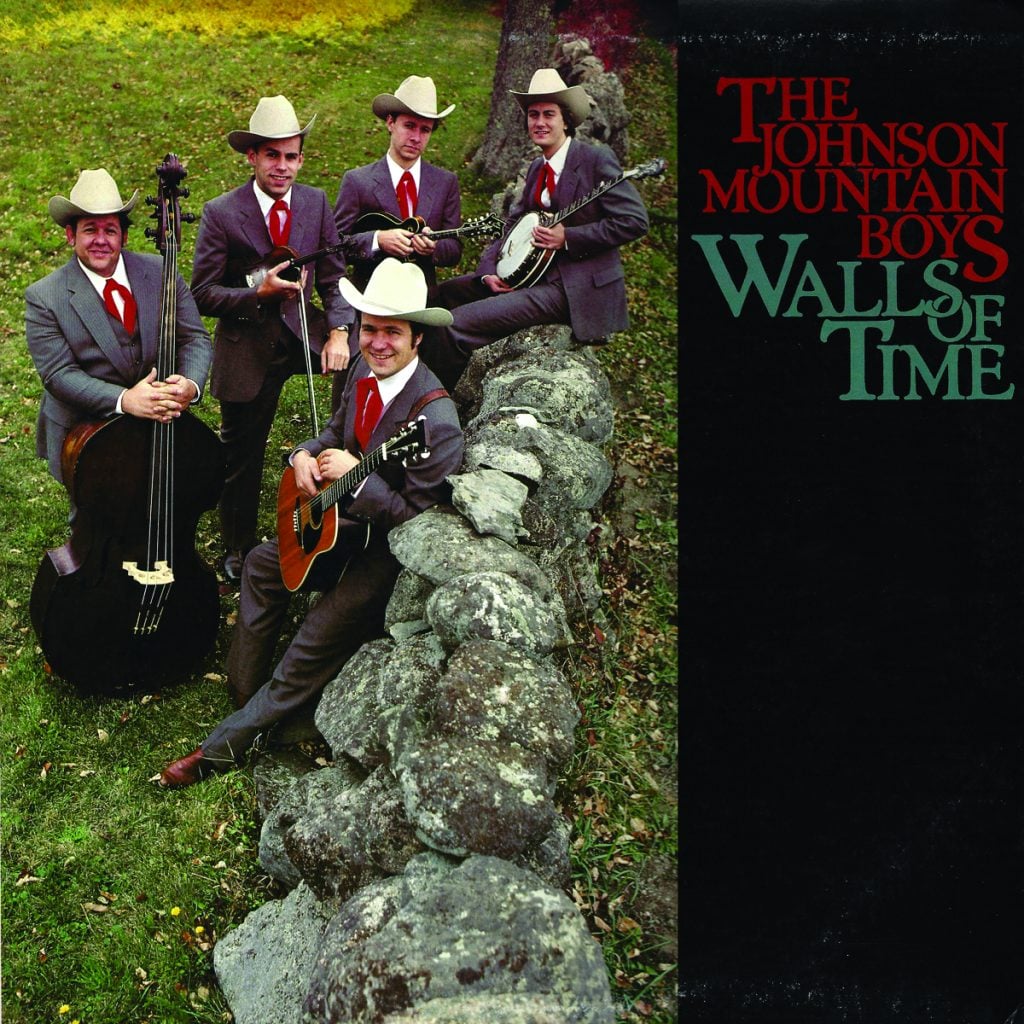
Q: I’m doing research for a book about the Johnson Mountain Boys, and would like to pin down when and where I first saw them. It was sometime in the early 1980s at a little bar in or near Philadelphia, where I was attending grad school at the time. I went to the show with mandolinist Tom Cook, who had been raving to me about them. They just had one album out at the time, and David McLaughlin had already replaced Eddie D’Zmura on mandolin by then. As I recall, the bar had a number in the name, maybe 49 or 79. Can you or BU’s readers pin down the date and the name of the venue? Ira Gitlin, via email.
A: The name of the venue was Tavern 29 and the date of the Johnson Mountain Boys appearance there was February 18, 1982 (which happened to be guitar player Dudley’s Connell’s 26th birthday). The tavern was located at 222 Bala Avenue in a community known as Bala Cynwyd, which is situated slightly less than ten miles northwest of downtown Philadelphia.
Tavern 29 was a fairly new venue at the time of the Johnson Mountain Boys’ performance. Formerly known as the Blue Blazer Tavern, new owners took over the establishment in the late fall of 1980. The new name was inspired by the 1929 date that was carved over a doorway leading to the inside. Straightaway, old wallpaper was scraped away and was replaced with a neutral, cream color paint; woodwork was refinished; old-fashioned, slow-turning ceiling fans were installed; and elegant artwork adorned the walls. Among the first acts to appear at the new venue was a duo called Chickory. The group consisted of harpist/guitarist Greg Troiano and banjo/guitarist Mark Bluett. The pickers regaled patrons with time-honored standards such as “Foggy Mountain Breakdown,” “Orange Blossom Special,” and “Will the Circle Be Unbroken.” Forty-one years after the fact, instrument maker Mark Bluett’s main takeaway from the event is that “we played hard all night for about five people. Ha!”
It wasn’t until the early part of 1982 that mainstream touring bluegrass acts began appearing at Tavern 29. On Thursday evenings throughout February, March, and April, groups such as Bob Paisley and the Southern Grass, the Johnson Mountain Boys, Larry Sparks and Lonesome Ramblers, Country Gazette, and the Hotmud Family graced the stage there. The Country Gazette show was especially well-attended. Edgar Koshatka, a regular contributor to the Philadelphia Inquirer (and an obvious fan of the music), wrote that “it was difficult to tell by an informal head-count whether the musicians outnumbered the laymen in Thursday night’s audience . . . it was a premier event for fans of pickin’ music, and the local pickers turned out in force.” When touring bands weren’t holding forth, the Lewis Brothers (a “newgrass band from Philly”) occupied the Thursday night bluegrass spot.
A September 1982 newspaper account told that bluegrass at Tavern 29 was discontinued for the summer. A spokesman for the venue lamented that groups like Bob Paisley and Country Gazette filled the tavern to only fifty percent capacity at best. Despite the assertion that they “might try it again later this year,” it never happened. As quickly as bluegrass burst on the scene at Tavern 29, it was gone.
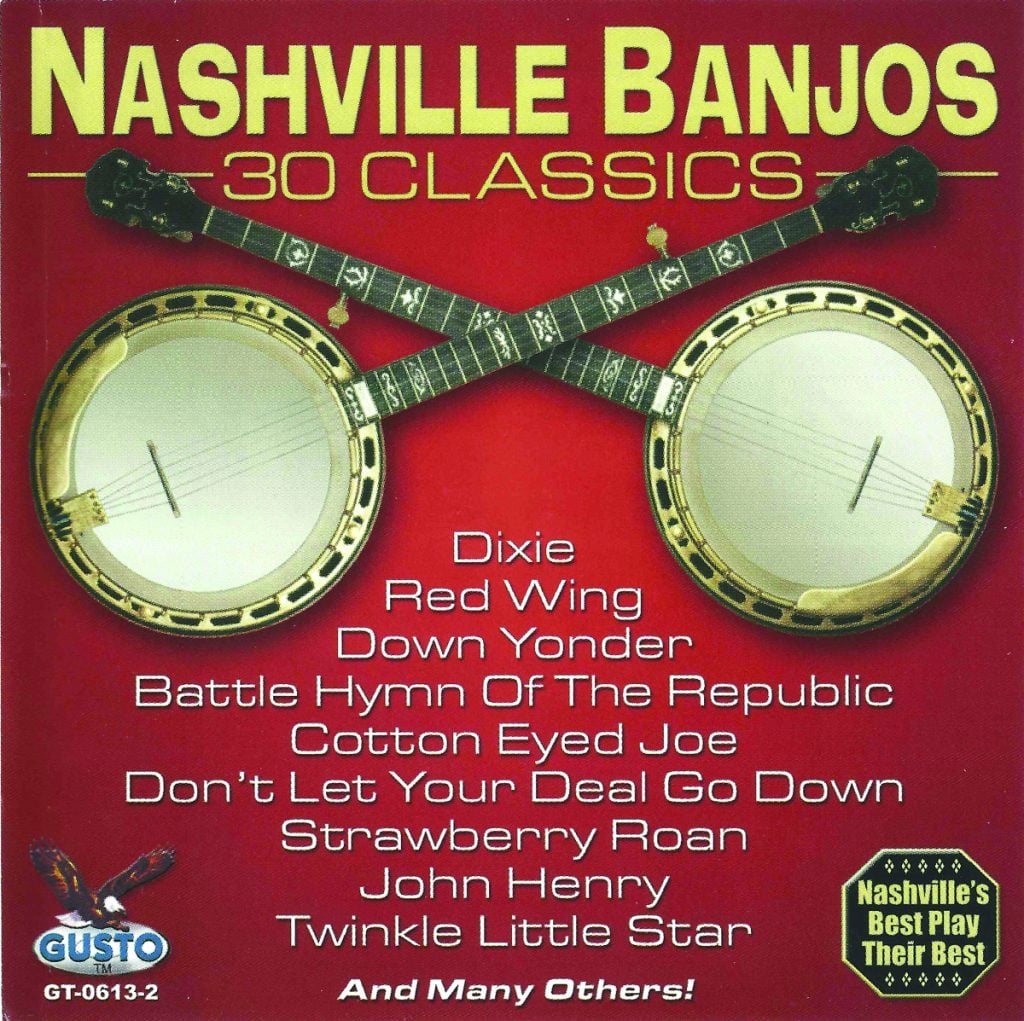
Q: I have a CD in my collection called Nashville Banjos-30 Classics. The CD says “Gusto GT-0613-2” ©2006 Gusto Records, Inc., Nash., TN. Producer: Moe Lyle, Art Direction/liner Notes: Chuck Young. It is a compilation CD which gives no indication of who the players on the CD might be. Can you provide any more information on the CD? Pamela Warren, via email
A: I reached out to the company that issued the CD and received the following reply: “We recorded these sessions in our studio, over the years – using studio musicians. The actual names of the people are buried somewhere here in the old records.” Perhaps some of our readers can help?
Who Wrote That Song?
One of the most time-honored gospel songs in bluegrass is one that is called simply, “Heaven.” Following the Flatt & Scruggs release of it in 1958, groups including the Stanley Brothers, Red Allen, Country Gentlemen, Seldom Scene, Bailey Brothers, Doug Dillard, Jim & Jesse, Dave Evans, and the Osborne Brothers all made use of the song.
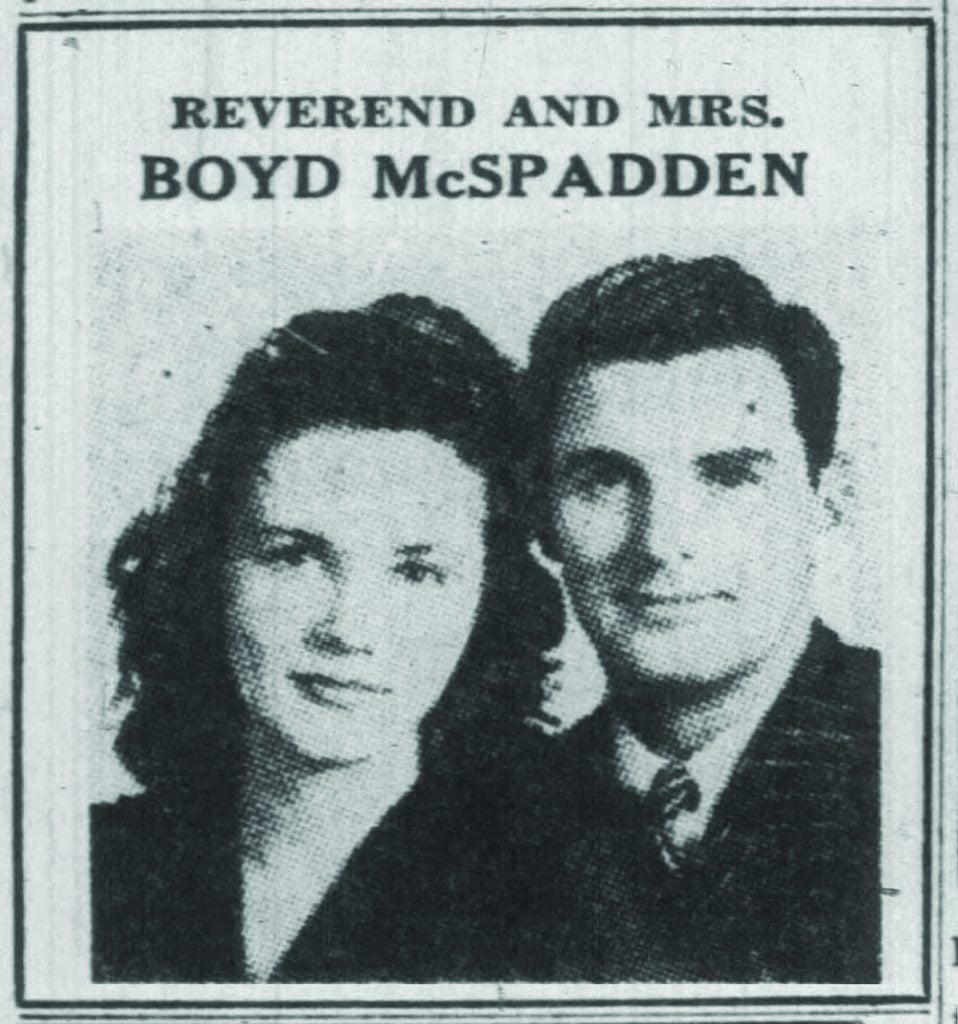
“Heaven” was written by the husband-and-wife team of Sherman Boyd McSpadden (August 16, 1910 – September 23, 1994) and Helen Virginia McCann McSpadden (July 2, 1919 – October 13, 2007). The couple married in 1938, at which time Boyd’s occupation was listed as a minister. Early on, he became known as “The Singing Evangelist and Pastor.” The couple’s song dates from at least 1944. An item in the El Reno Daily Tribune (El Reno, Oklahoma) made note of the fact that “Rev. and Mrs. Boyd McSpadden will sing as a duet, ‘Heaven’” as part of an El Reno Founders’ Day celebration. They copyrighted their song on September 30, 1948.
Although Flatt & Scruggs had the definitive recording of “Heaven,” other bluegrass-styled groups were performing the song before them. In 1949, the Bailey Brothers (which included bass player Jake Tullock) picked it up while working at WPTF in Raleigh, North Carolina. The Baileys got the song from Grady Cole, who was then working as a radio announcer in Charlotte, North Carolina. The Bailey Brothers later recorded the song for Rounder Records in 1974 and erroneously gave credit for the song to Grady Cole.
At some point in the late 1940s or early ‘50s, the McSpaddens released a 78-rpm recording of “Heaven.” The disc appeared to be self-produced and self-released. Accompanying musicians included Clifton Hix, organ; June Hibbard Tennison, piano; and Dolores Hibbard Elkins, vibraharp.
The first commercially-distributed recording of “Heaven” came in April 1956 when it was recorded by the Masters Family, a country gospel group that had popular songs such as “The Gloryland March” and “The Cry From the Cross” (the latter of which was covered effectively by the Stanley Brothers in 1956).
As mentioned earlier, it was a recording by Flatt & Scruggs that firmly established “Heaven” as a bluegrass gospel standard. Jake Tullock, who was then working with the group, brought the song to the duo’s attention. The 45-rpm disc was recorded in mono. One year later, the song was re-recorded in stereo for inclusion on a gospel album called Songs of Glory.
Over Jordan
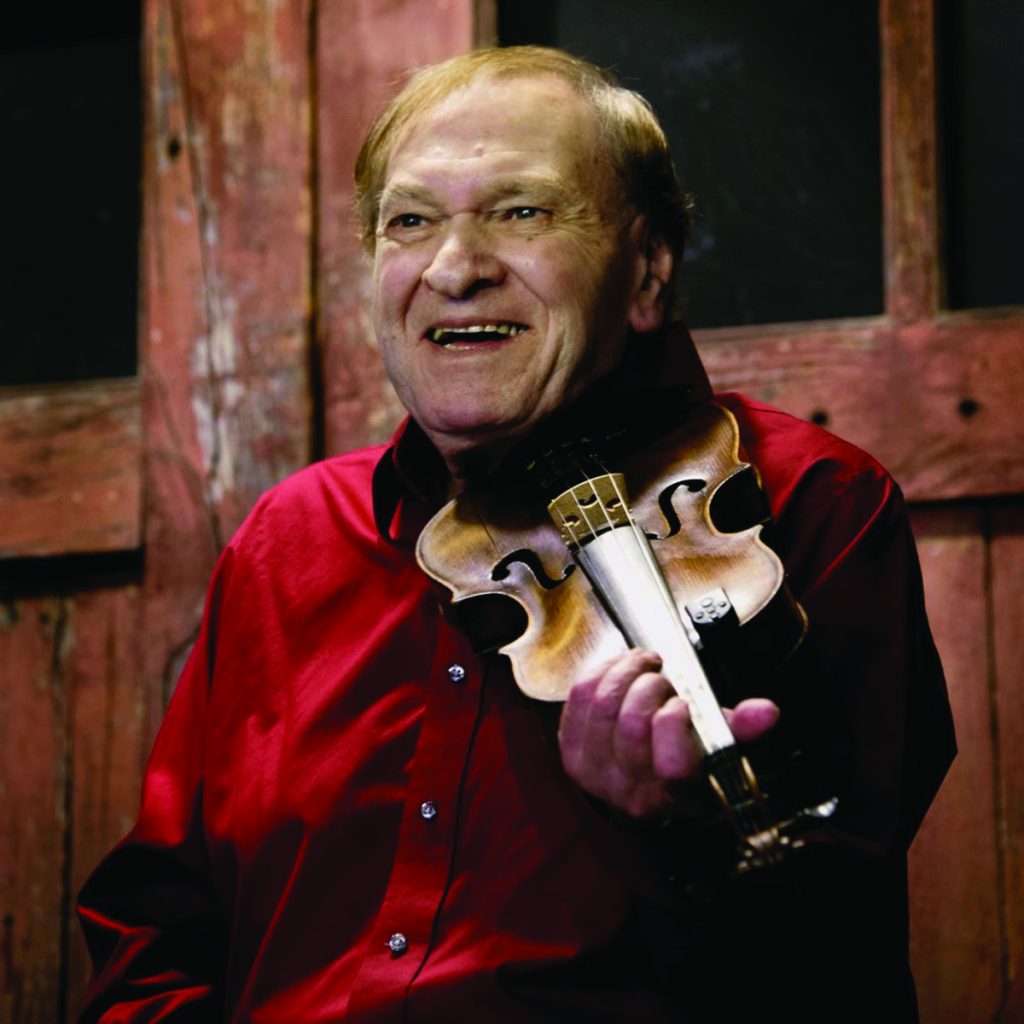
Arvil Freeman (April 14, 1932 – October 21, 2021) was a western North Carolina fiddler who logged over seventy years as a performer and teacher. He started out on the instrument around age six or seven, learning the basics from an older brother. His first experience of life on the road came in February and March of 1950 when he traveled to Texas as part of a string band to accompany the Bailey Mountain Square Dance Team. Arvil’s part of the tour was cut short by an appendicitis attack. Later in the year, Arvil and his brother Carmen journeyed to Detroit where they met Carl and J. P. Sauceman. The Freeman’s signed on with the Saucemans’ Green Valley Ramblers and in February 1951 went with them to Bristol, Virginia, to join the cast of WCYB’s Farm & Fun Time program. Arvil stayed with the group until the fall of 1951 at which time he grew disenchanted with life as a traveling musician.
After logging several years overseas during the Korean War, Arvil returned home and doubled down on his playing. The fiddle work of Tommy Magness, Chubby Wise, and Kenny Baker informed his playing style. However, work in the restaurant industry and later as an “expert, custom meat cutter” took precedence and making music was reserved for Sunday afternoons.
It wasn’t until the late 1960s that Arvil was able to return to making music professionally. He did weekend shows at the Folkway Center in Hendersonville, North Carolina, with James and Arlene Kesterson and later with Arlene’s New Day Country Band. In 1979, Arvil teamed up with the band’s banjo player to form the Marc Pruett Band; they played at Bill Stanley’s Barbeque and Bluegrass in Asheville, North Carolina, for eight and a half years. In 1988, Arvil assembled the 40 West Band and continued performing at Bill Stanley’s. It was about the same time that Arvil began teaching fiddle to aspiring players, having as many as twenty-three students at a time. In 1991, Bill Stanley’s became Smoky Mountain Barbeque and signaled the launch of the Smoky Mountain Barbeque Bluegrass Band. The group stayed together until the venue’s closing in October 1993. A short stint with John Shuffler in Cedar Creek in 1995 preceded Arvil’s joining the Stoney Creek Boys in 1996. With Stoney Creek, Arvil was a mainstay of Asheville’s annual summer gathering known as Shindig on the Green.
Arvil incorporated a variety of styles and techniques into his playing including bluegrass, old-time, square dance tunes, double-stops, and long bow. He preferred to be known as an all-around fiddler and didn’t want to be pigeon-holed by any one style. He is reported to have appeared on some forty different albums including ones by the Sauceman Brothers, the Marc Pruett Band, the Crowe Brothers, Raymond Fairchild, and Wayne Erbsen. He received a Mountain Heritage Award from Western Carolina University in 2007 and a North Carolina Heritage Award in 2018. As a long-time participant at Asheville’s Mountain Dance and Folk Festival, Arvil took top honors on fiddle in 1974, 1993, 1994, and 1995.
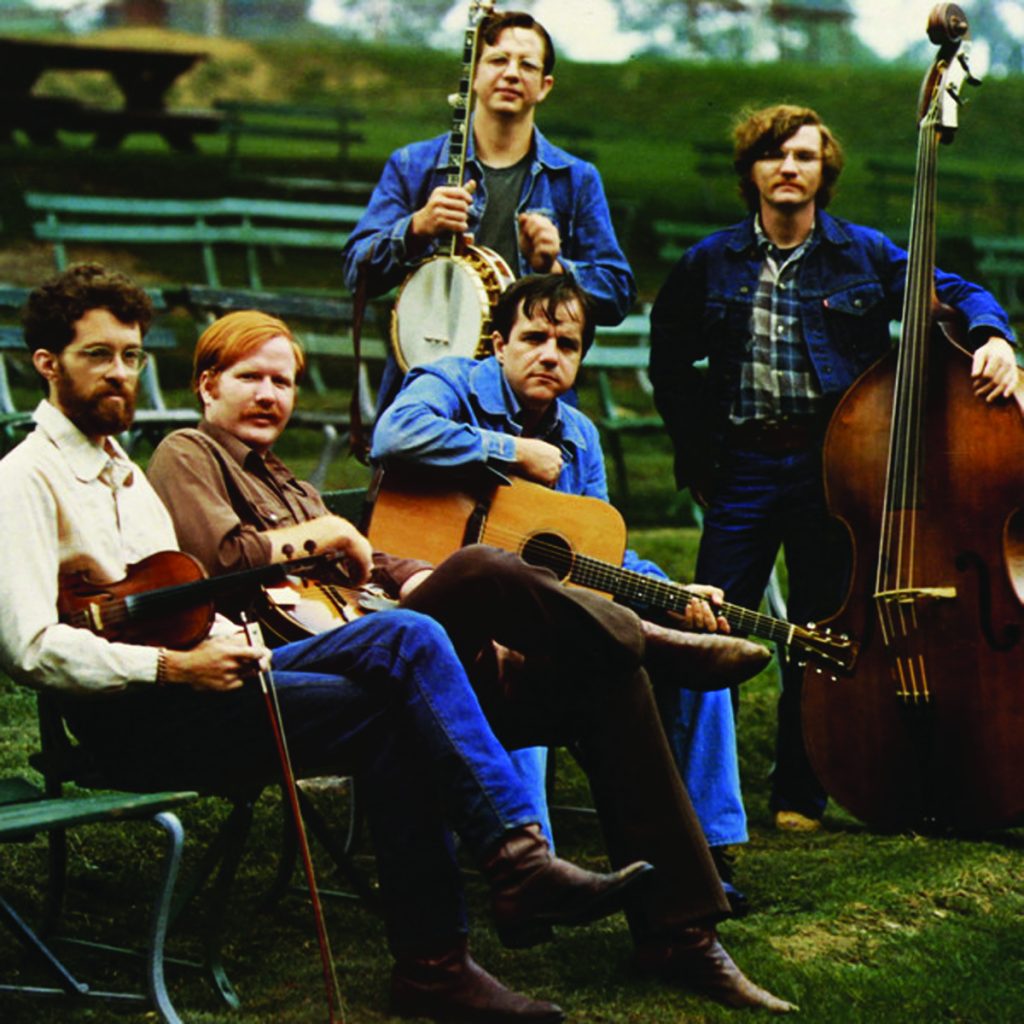
John D. Hutchison (October 5, 1940 – November 2, 2021) “Lost John Remembered” (contributed by Jon Hartley Fox) My first encounter with John Hutchison (aka Lost John, J.D., Losty) was at the second Southern Ohio Folk Festival in Athens, Ohio, in 1972. I have two memories of his appearance. The first was of him standing there with his Martin D-28, a plug of tobacco obvious in his cheek, delivering an absolutely anthemic version of “Ready on the Firing Line,” a revelation to me as to how much power a solo performer could wield.
The second (somewhat fuzzy) memory was later in that set, when hecklers started riding him hard, for reasons no longer known. What I remember is John stopping his set and calling out the audience of some 10,000 people. He said he’d be “out back” after the show and would take on all comers—“one at a time or all at once.” I was struck at once by the fact that John Hutchison was not in any way a normal man, but a man to be reckoned with and a man to whom attention should be paid.
My second encounter with John Hutchison was the release of The Hutchison Brothers on Vetco Records in 1975. I bought the record as soon as I saw it and played it hundreds of times, first at home and later on radio shows at WYSO-FM in Yellow Springs, Ohio. While I played the hell out of Greg Dearth’s version of “Big Scioty,” I always came back to the three songs on the album that John had written: “Silver Tongue and Gold-Plated Lies,” “The Deep End” and “A Year Ago Today.” They were, and are, masterpieces of musical storytelling.
Man. I just listened to the Hutchison Brothers CD a few minutes ago. It’s been almost fifty years since that album was recorded, and it has lost none of its power, its tough edge, its hillbilly soul. For my money, it’s one of the absolute best bluegrass albums of the 1970s and should be known to many more people than it is.
I was sad when I heard J.D. had died, just a few short weeks after the passing of his banjo-playing brother Bob. J.D. never really attained stardom, but no one who saw or heard him will ever forget it. He was the real deal.
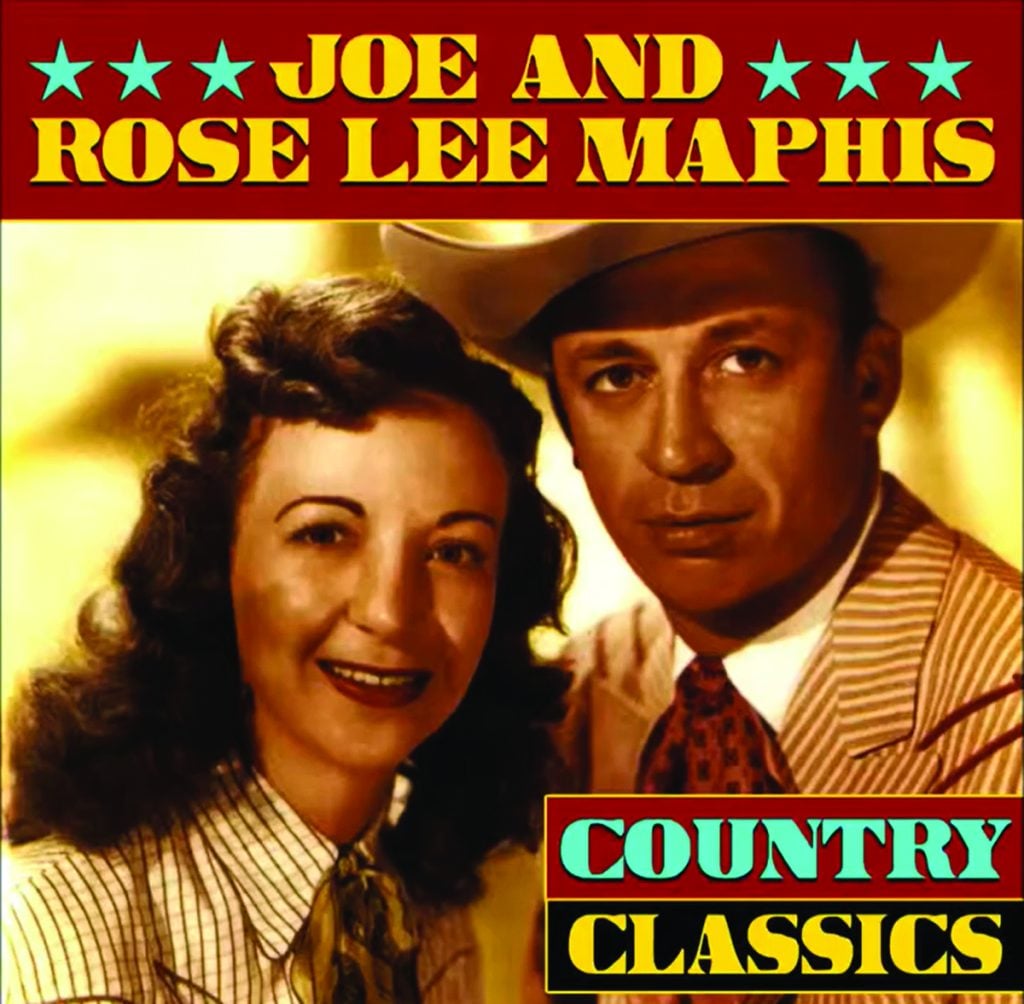
Rose Lee Maphis (December 29, 1922 – October 26, 2021) enjoyed a career in country music from the late 1930s until shortly before her passing at age 98. Born Doris Schetrompf, she was raised on a farm near Hagerstown, Maryland, and learned to play harmonica and guitar as a youth. Programs such as the Grand Ole Opry and Suppertime Frolic were frequently heard at the Schetrompf household. At age 15, she landed a weekly Saturday evening program on WJEJ radio in Hagerstown. A station on-air personality quickly dubbed her Rose of the Mountains, a name that stuck with her for the rest of her life.
Near the end of World War II, she joined an all-female band called the Saddle Sweethearts. They landed in Baltimore and did radio and personal appearance work there for several years. In July 1948, Rose and Saddle Sweetheart Mary Klick auditioned for a spot recently vacated by Mother Maybelle and the Carter Sisters on the Old Dominion Barn Dance in Richmond, Virginia. It was here she met multi-instrumentalist Joe Maphis, who was billed on the program as Crazy Joe.
In 1951, at the urging of Merle Travis, Joe Maphis headed west for work in California. Rose soon followed and the couple were married in February 1952. They became mainstays of the West Coast country music scene where they did club work and had a nine-year run on the televised Town Hall Party. It was while working the dance halls in California that they came up with the song “Dim Lights, Thick Smoke, and Loud, Loud Music.” Flatt & Scruggs turned the song into a bluegrass classic with their 1952 release of the song. It was about this time that Lee was added to her name, with the stated purpose of differentiating her from another popular Rose of the day, Rose Maddox.
Rose’s only solo album was recorded in 1960 for Columbia Records. The self-titled Rose Lee Maphis album featured mostly traditional material with instrumental accompaniment by Joe.
Joe and Rose Lee were never strictly a bluegrass band. In fact, they were pegged with moniker of Mr. & Mrs. Country Music. But, Joe was a proficient banjo picker and they were able to incorporate bluegrass tunes into their act. In 1962, they teamed up with a group known as the Blue Ridge Mountain Boys and recorded a mostly bluegrass album for Capitol.
In 1968, Joe and Rose Lee moved to Nashville where they made repeat guest visits on the Opry. In the middle 1970s, the couple made a number of recordings for CMH, including one that titled after their early 1950s song Dim Lights and Thick Smoke.
Joe Maphis died in 1986 and Rose Lee secured a job at Opryland as a costumer. She later did volunteer work at the Country Music Hall of Fame where she was a greeter to tourists who toured the museum. Most had no idea they were meeting a woman whose life was so intertwined with the history of country music.