Notes & Queries – February 2026
Q: I love seeing the old black & white archival photos of bluegrass from the days of old. In the early 1980s, while living in Los Angeles, I met and befriended Marshall Freedland, and we shared our love of bluegrass music and artists. He told me he had a wealth of photos that he took, starting in the 1960s. He sent me extraordinary photos that he took, a few of which I framed and hung up. I lost track of him, but often wondered if his photo archive went somewhere public (hoping it did). I also wonder if you know him and if Bluegrass Unlimited has ever used his photos, or did a story on him. Paul Kovac, via email.
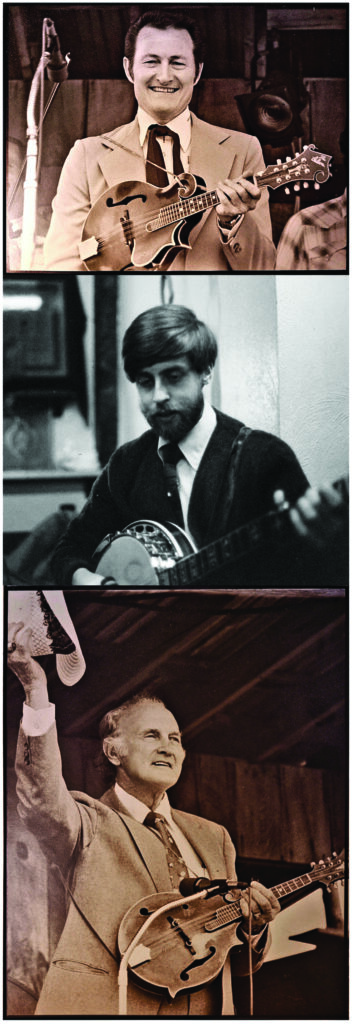
a: The name of Marshall Freedland is a new one to me. In searching back issues of Bluegrass Unlimited, it appears that he was a stranger to the magazine, too; I could find no mentions of him. From a variety of sources, including his long-time friend and picking partner Mark Greenberg, a picture of Marshall and his life in bluegrass came into view.
Marshall Freedland, born Shloime Marshall Steven Freedland on February 5, 1944, in Philadelphia, Pennsylvania, was a passionate musician and photographer with a deep love for bluegrass music. His indoctrination came early in life, with his ear “glued to his radio” and the sounds emanating from WWVA in Wheeling, West Virginia. His journey as a musician – though not strictly bluegrass – was underway as early as 1960 when he was a member of his high school band. The same period found him developing his talents on banjo and guitar. The caption for his high school yearbook photo contained the burning question “Who’s Earl Scruggs?” The same snippet also highlighted his interest in folk music and artists like Pete Seeger and Lightnin’ Hopkins, as well as his involvement in the Philadelphia Folk Workshop (an organization he co-founded with Eliot Kenin, Bill Vanaver, and Mark Greenberg) and summers at the Circle Pines Center.
Freedland’s musical career flourished in the 1960s and 1970s. In 1962, he won the annual banjo competition that was held at Pennsylvania’s Sunset Park. Later, a 1977 newspaper article noted that he was “possibly the first man in Vermont to suss out the potential acceptance of blue grass in a northern rural state.” He performed at various events, collaborated with other musicians, and formed The Blue Grass Trio in Vermont, which played in local venues and honky-tonks. While a student at Goddard College, in Vermont, he toured nationally as a banjo player for the Robert DeCormier Folk Singers. Other musical groups included the Crabgrass Boys, in Philadelphia; Licks and Notions (a duo consisting of Marshall and Mark Greenberg); and Shady Grove, in Vermont. Freedland believed in the communal spirit of bluegrass music, emphasizing its ability to bring people together through shared experiences and musical exchange.
Throughout the 1970s, Freedland offered banjo and guitar lessons, which not only sustained his ability to remain a creative performing musician but also helped others aspiring to become bluegrass musicians themselves. His dedication to teaching was a testament to his commitment to fostering the growth of bluegrass music and sharing his passion with the community.
In addition to his musical contributions, Freedland was an accomplished photographer. Starting in the 1960s, he captured extraordinary images of bluegrass artists and events. His work was showcased in exhibitions, such as his debut show as a documentary photographer at The Welcome Table in 1982. He photographed notable figures like Tom Paley, Bill Monroe, Jesse McReynolds, the Red Clay Ramblers, and Peggy Seeger, and his photos were featured in publications like Artists of American Folk Music.
Notices in newspapers of Freedland’s musical activities ceased after 1982. He was the unfortunate victim of sudden hearing loss and eventually had to give up playing music. For a time, he relocated to Denver before moving on to Miami in 1985. Later still, he was stricken with a form of muscular dystrophy. Complications from pneumonia brought his life to a close on April 30, 2009.
Little Old Log Cabin in the Lane
Recently, Shin Akimoto, the editor of the Japanese Moonshiner magazine, inquired about a Bill Monroe song, “Little Cabin Home on the Hill.” He asked if there was any connection between this song and one written in the late 1800s called “Little Old Log Cabin in the Lane.” I reached out to Bill Monroe biographer, Tom Ewing, who replied as follows:
“I’m well-acquainted with both songs, mainly because Bill recorded both ‘Log Cabin in the Lane,’ a slave’s lament, and ‘Little Cabin Home on the Hill,’ a love song. The only other thing they have in common is the mention of a cabin and the fact that it was little, as most log cabins were. Other than that, there’s no connection.”
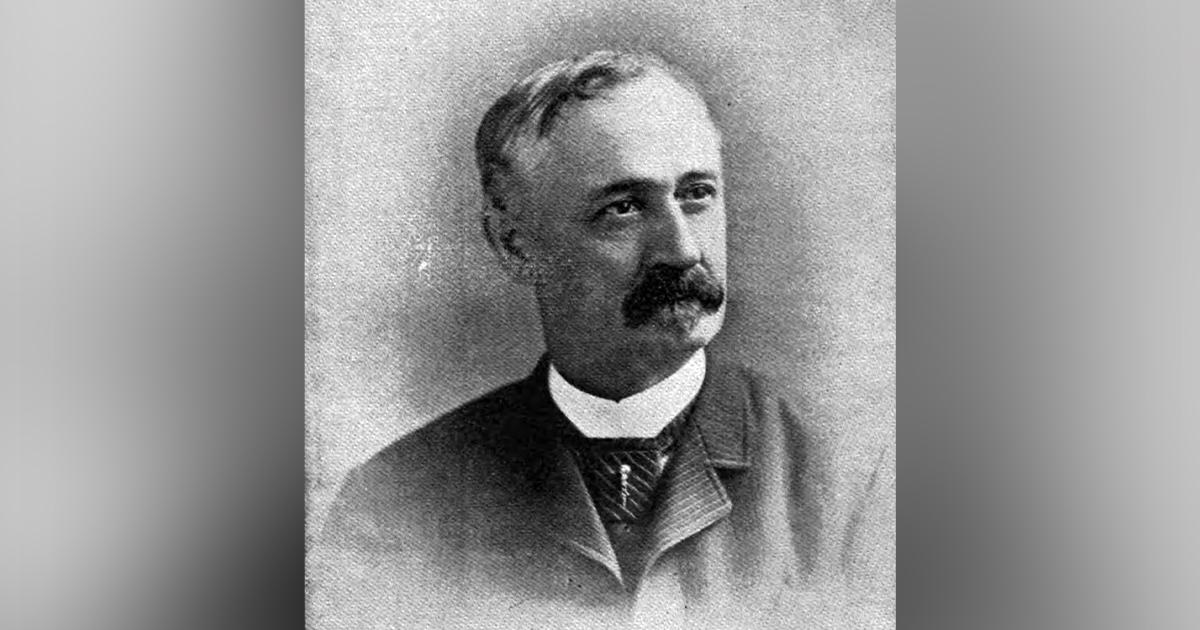
Although there is no connection between “Little Old Log Cabin in the Lane” and “Little Cabin Home on the Hill,” it seems like a good time to visit the career of the writer of “Little Log Cabin in the Lane,” a person who went by the name of Colonel Will S. Hays. He wrote many songs during the middle and late 1800s, a half-dozen of which wound up in the repertoire of a number of old-time and bluegrass performers. His story and his songs, as recorded in bluegrass and old-time music, are as follows: “I’ll Remember You in My Prayers,” 1869: Ralph Stanley, Mac Wiseman, Alison Krauss, J.E. Mainer, Hylo Brown, the Boys From Indiana, and the Seldom Scene; “Jimmie Brown the Newsboy,” 1875: The Carter Family, Flatt & Scruggs; “The Little Old Cabin in the Lane,” 1871: Bill Monroe, Jim Eanes, Jim & Jesse, Country Ham, Bill Keith, the Lost & Found, and Wayne Erbsen and Laura Boosinger; “Mollie Darling,” no date: Jim Eanes, Red Smiley, and Ranger Doug & Riders in the Sky; “We Parted By the River Side,” 1866: The Carter Family, Ernest V. Stoneman, the Blue Sky Boys, the Whitstein Brothers, Norman and Nancy Blake, and Hazel and Alice; and “You’ve Been a Friend to Me, “1867: the Carter Family.
Will S. Hays, born William Shakespeare Hays on July 19, 1837, in Louisville, Kentucky, was one of the most prolific songwriters of the 19th century, composing over 500 ballads during his lifetime. Hays began writing songs at the age of 16, with his first serious poem inspired by a young woman he admired. Despite a rocky start (his first poem earned him a beating from the girl’s brother), Hays quickly developed a reputation for his songwriting talent. His first major success came with the song “Evangeline,” inspired by a steel engraving of Longfellow’s heroine. Written on a moonlit night with a charred stick on a wooden fence, the song was later polished and published, selling over 200,000 copies in a short time.
Hays’ songs were characterized by their simple, catchy melodies and emotional themes, which resonated with audiences across the United States and beyond. His works were immensely popular in the South and West, and his music was even heard in far-off places like Cape Town, Cairo, and Jerusalem, often played on hand organs. Some of his most famous songs include “Mollie Darling,” “Shamus O’Brien,” “Nora O’Neil,” “Driven from Home,” “Write Me a Letter from Home,” and “The Little Old Cabin in the Lane.” “Mollie Darling” was his biggest hit, selling over 2,000,000 copies and gaining international recognition in countries such as France, England, Germany, and Australia.
Despite his success as a songwriter, Hays received relatively little financial reward for his work. Much of the money he earned was quickly spent, and he relied on his newspaper career for a steady income. Hays began working in journalism at the age of 19 and served as a war correspondent during the Civil War. After the war, he returned to Louisville and became a river editor for various newspapers along the Ohio and Mississippi rivers. His column was a unique blend of river news, humorous anecdotes, and poetic musings, earning him popularity among river workers and readers alike. Several steamboats were even named in his honor, including one named after his daughter, Mattie Belle Hays.
Hays’ life was marked by a colorful personality and a deep connection to the South. He was known for his philosophical musings and his ability to connect with people from all walks of life. Despite his lack of formal education, Hays’ talent and charisma made him a beloved figure in Louisville and beyond. He was also a family man, devoted to his wife and children.
In addition to his songwriting and journalism, Hays was briefly courted by Jack Haverly to join the minstrel stage, where he would perform his own songs. Although the idea was never realized, Hays’ music continued to be a staple in minstrel shows for decades. His songs, often written in dialect, captured the spirit and struggles of the time, making them enduring favorites among performers and audiences alike.
Hays passed away on July 23, 1907, at the age of 70. His legacy as a songwriter and journalist remains significant, with his music continuing to be recorded and performed by bluegrass and old-time artists. Hays’s ability to craft melodies that appealed to a wide audience, combined with his colorful life and dedication to his craft, solidified his place as one of the most influential songwriters of his era.
February 20, 1972
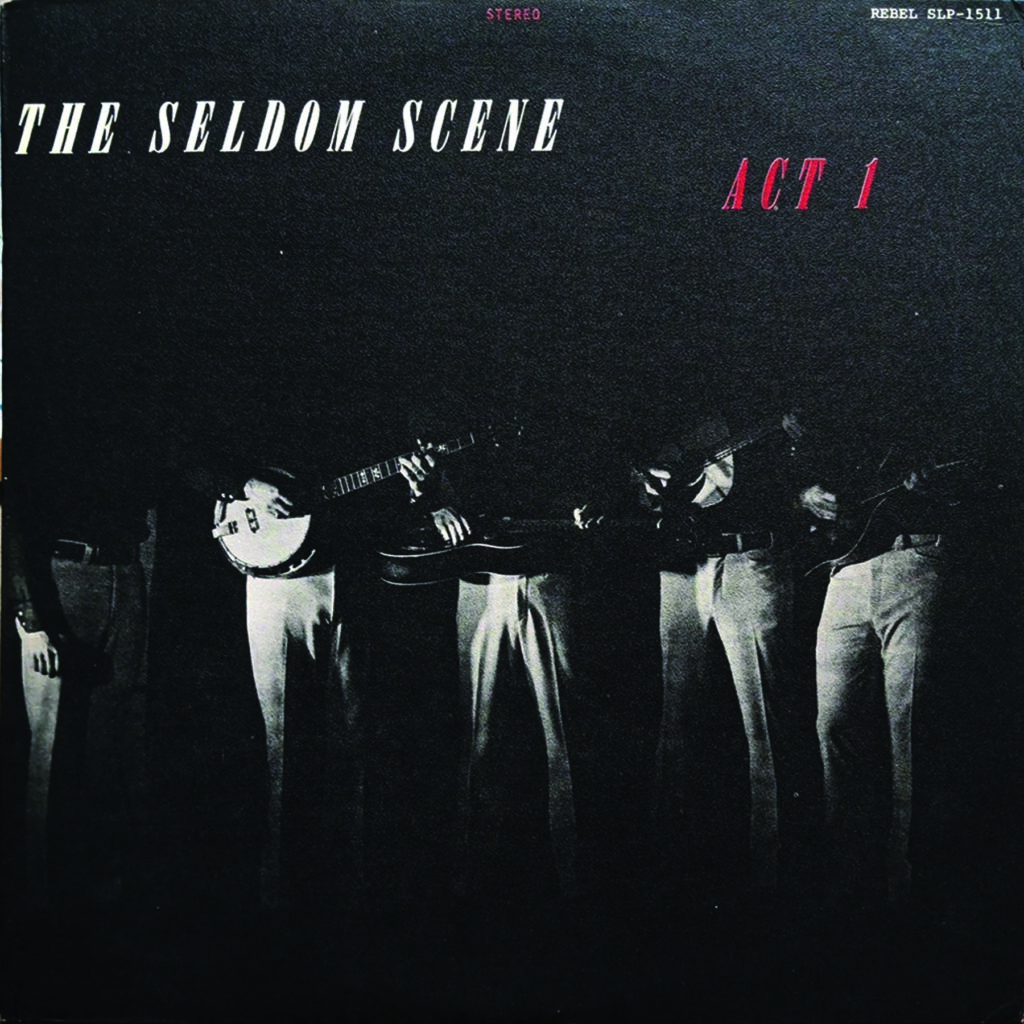
It was on this date, 54 years ago, that the Seldom Scene went into the recording studio for the very first time. Only two songs were recorded: the traditional “Darling Corey” and Steve Goodman’s “City of New Orleans.” The songs were recorded as part of what would soon be released as the group’s first album, The Seldom Scene Act 1. The balance of the album, ten additional songs, were recorded at two sessions the following month. Bill Vernon’s somewhat playful liner notes told that “The Seldom Scene is a new group of old faces who have lately become so shy and retiring that they blushed at the very thought of having their pictures on the front of their own album. The chief introvert of the group is John Duffey, whose extreme bashfulness has been legendary since his days with The Country Gentlemen. Cowering alongside are John Starling, who finally saw his shadow and elected to stay out this year, and Ben Eldridge and Mike Auldridge (they spell their names differently because they are not related), who found the heady life with The New Shades of Grass too much for them. The live wire of the group is Tom Gray, whose irrepressible antics consistently disrupt the fragile balance the rest of the group has struggled so earnestly, against great odds, to achieve.” Vernon’s tongue-in-cheek introduction of the band offered little foresight as to the immense influence this group would, in a short period of time, exert on bluegrass and Americana music. In what became as somewhat of a misnomer, Vernon closed with “They do make personal appearances, but not too frequently – they are, after all, The Seldom Scene.”
Over Jordan
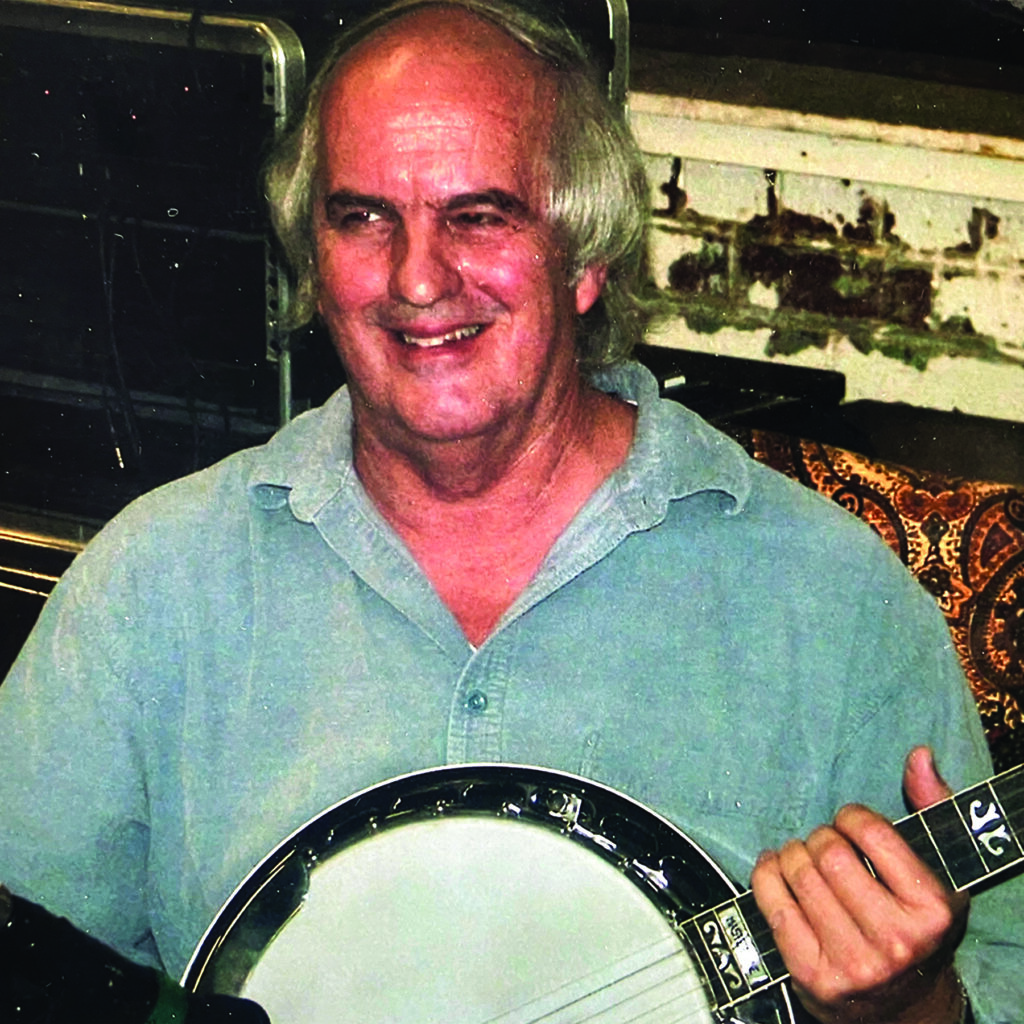
Christopher Dean “Chris” Walters (May 2, 1950 – November 11, 2025) was an extraordinary banjo player who excelled in replicating the style and finesse of the legendary Don Reno. A native of Kingsport, Tennessee, he was a man of immense talent, passion, and kindness. In addition to his prowess on the banjo, Walters was also known for his skill and love for restoring classic cars.
Chris’s journey with the banjo began at the age of 12 when he first heard Don Reno’s iconic instrumental “Sockeye” on the radio. Captivated by Reno’s unique style, Chris declared to his parents that it was the greatest banjo playing he had ever heard. This moment sparked a lifelong passion for bluegrass music and the banjo, with Reno becoming his musical idol and inspiration.
In the early 1960s, Chris began performing as a young teenager with a local group called The Sunnyside Boys. His talent quickly became evident, and he gained recognition for his skillful banjo playing. The group performed at various events, including entertaining disabled veterans at the VA Hospital, where Chris’s music brought joy to many. By 1971, his dedication to the craft paid off when he won first place in the bluegrass banjo category at the Piney Flats Bluegrass Fiddler’s Convention.
Chris’s admiration for Don Reno extended beyond his music. In a heartfelt essay published in the Kingsport Times-News in 1985, Chris shared his deep respect for Reno’s artistry and character. He recounted his first live experience of Reno’s music in 1962, when his parents took him to see Reno, Red Smiley, and The Tennessee Cut-Ups perform. Chris described Reno as a warm, kind-hearted man who always made time for his fans, whether it was a handshake, a conversation, or sharing a banjo lick. He marveled at Reno’s ability to adapt his unique style to various genres, from blues to waltzes, and admired the emotional depth Reno brought to his music.
Chris’s connection with Reno deepened in 1983 when he spent two weeks at Reno’s home in Lynchburg, Virginia. During this time, Chris had the privilege of playing music with Reno and his family, an experience he described as a dream come true. Later that year, Chris joined Reno and The Tennessee Cut-Ups, performing alongside his idol and even playing banjo on a few songs during their shows. This period was a highlight of Chris’s life, and he cherished the memories of their friendship and musical collaboration.
Beyond his performances, Chris dedicated himself to teaching the banjo, sharing his knowledge and passion with aspiring musicians for over a decade. His influence extended to many who attended the Reno Revival events in the middle 1990s, where his nearly perfect renditions of Don Reno’s style left a lasting impact. Fellow musician Jeremy Stephens described Chris as a “monumental talent” who inspired others with his creativity and unique approach to the banjo, incorporating elements of steel guitar and harmonizations that were unparalleled.
Despite facing hardships and challenges in life, including a stroke in his later years, Chris remained a source of encouragement and inspiration to those around him. Fiddler Corrina Rose recalled how Chris continued to use his gifts and talents, even when faced with struggles, leaving a profound impact on everyone who had the privilege of knowing him. He touched countless lives through his music, his teaching, and his unwavering dedication to his craft. As Jeremy Stephens aptly put it, Chris’s life serves as a reminder to always use your gifts and talents, for they have the power to inspire and impact others in ways that may not always be immediately visible.
Kenneth Malcolm “Ken” Zipperer (May 19, 1935 – November 27, 2025) was a man whose life was deeply intertwined with music, family, and community. Born in Clearwater and raised in Live Oak, Florida, Ken grew up surrounded by the melodies of country and folk music, which became the foundation of his lifelong passion for bluegrass. Raised by his grandmother after his parents separated, Ken’s early years were marked by resilience and a love for music that would shape his future.
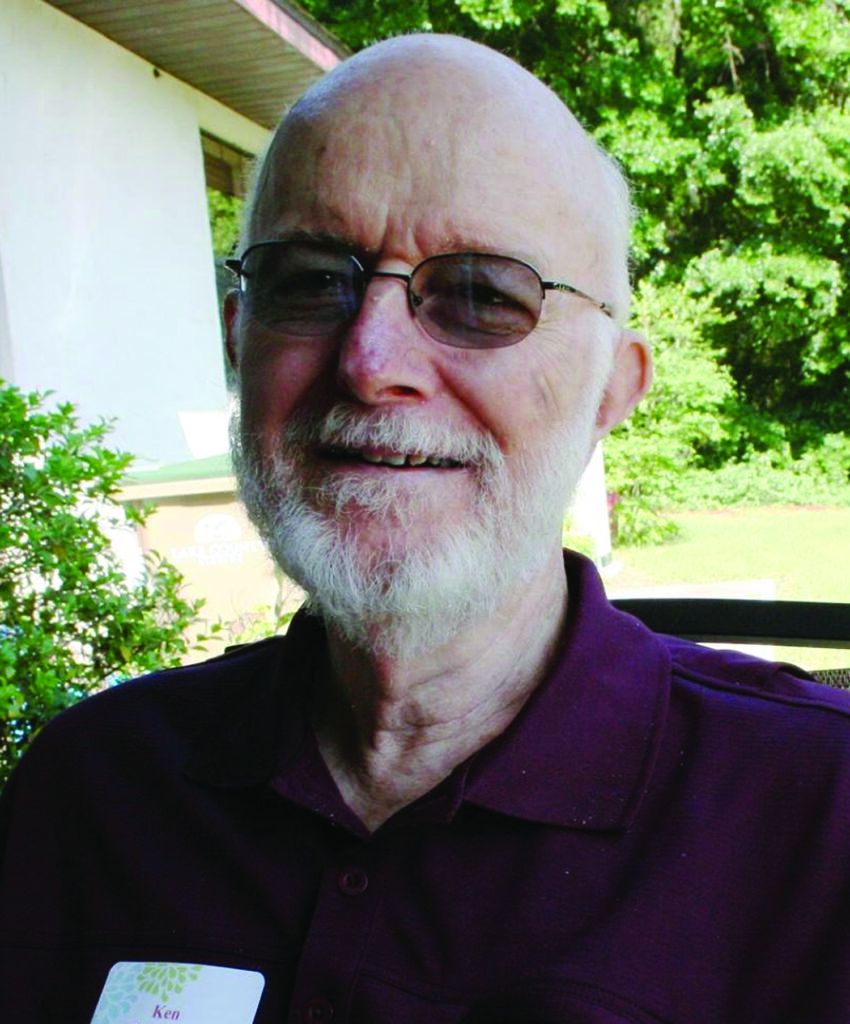
Ken’s musical journey began at the age of 13 or 14 when he first encountered a Sears Roebuck guitar. This humble instrument sparked a lifelong devotion to playing and appreciating music. He learned his first chords from a neighbor and honed his skills during his time in the U.S. Navy, where he played country music and folk tunes. His love for acoustic music naturally led him to bluegrass, a genre he embraced wholeheartedly.
Ken’s life was not just about playing music but also sharing it with others. Alongside his wife, Martha, he founded Bell Mountain Music in 1990, a business dedicated to selling bluegrass and old-time music recordings, instructional materials, and songbooks. Together, they traveled across 23 states, setting up booths at festivals and running a mail-order business. Their dedication to the bluegrass community was evident in their efforts to provide high-quality recordings and instructional resources, including their publication of The Traditional Bluegrass Songbook, a collection of over 140 songs cherished by musicians and fans alike.
Ken’s connection to bluegrass music extended beyond business. He played rhythm guitar in various bands, including the McLaughlin Family Band, and was a member of the Keystone United Methodist Church String Band. His playing style was characterized by simplicity and precision, decorating melodies with understated yet impactful solos. Ken’s deep knowledge of the guitar fretboard and his ability to inspire those around him made him a beloved figure in the music community.
Ken’s love for bluegrass was matched by his appreciation for the people who shared his passion. He often spoke of the unique camaraderie among bluegrass enthusiasts, describing them as friendly, God-fearing folks who brought joy to every festival. His interactions with legendary musicians like Doyle Lawson and Mac Wiseman further enriched his life, though Ken remained humble and grounded, valuing the connections he made over fame.
Ken’s personal life was equally remarkable. He met Martha while attending Massey Business School in Jacksonville after his Navy service. Their love story was one of mutual support and shared dreams. Martha’s willingness to embrace the challenges of a life on the road was a testament to their strong partnership. Together, they weathered storms—both literal and figurative—while building a legacy that would leave an indelible mark on the bluegrass world.
Ken’s faith and music were deeply intertwined. He credited a high school music teacher for encouraging him to join the glee club, an experience that helped him find direction during a challenging time. His faith remained a guiding force throughout his life, influencing his music and his interactions with others.
Ken Zipperer’s life was a testament to the power of music to connect, inspire, and heal. His contributions to the bluegrass community, his dedication to his family, and his unwavering faith leave behind a legacy that will be cherished by all who knew him. As we remember Ken, we celebrate a life lived with passion, humility, and love for the melodies that brought people together.