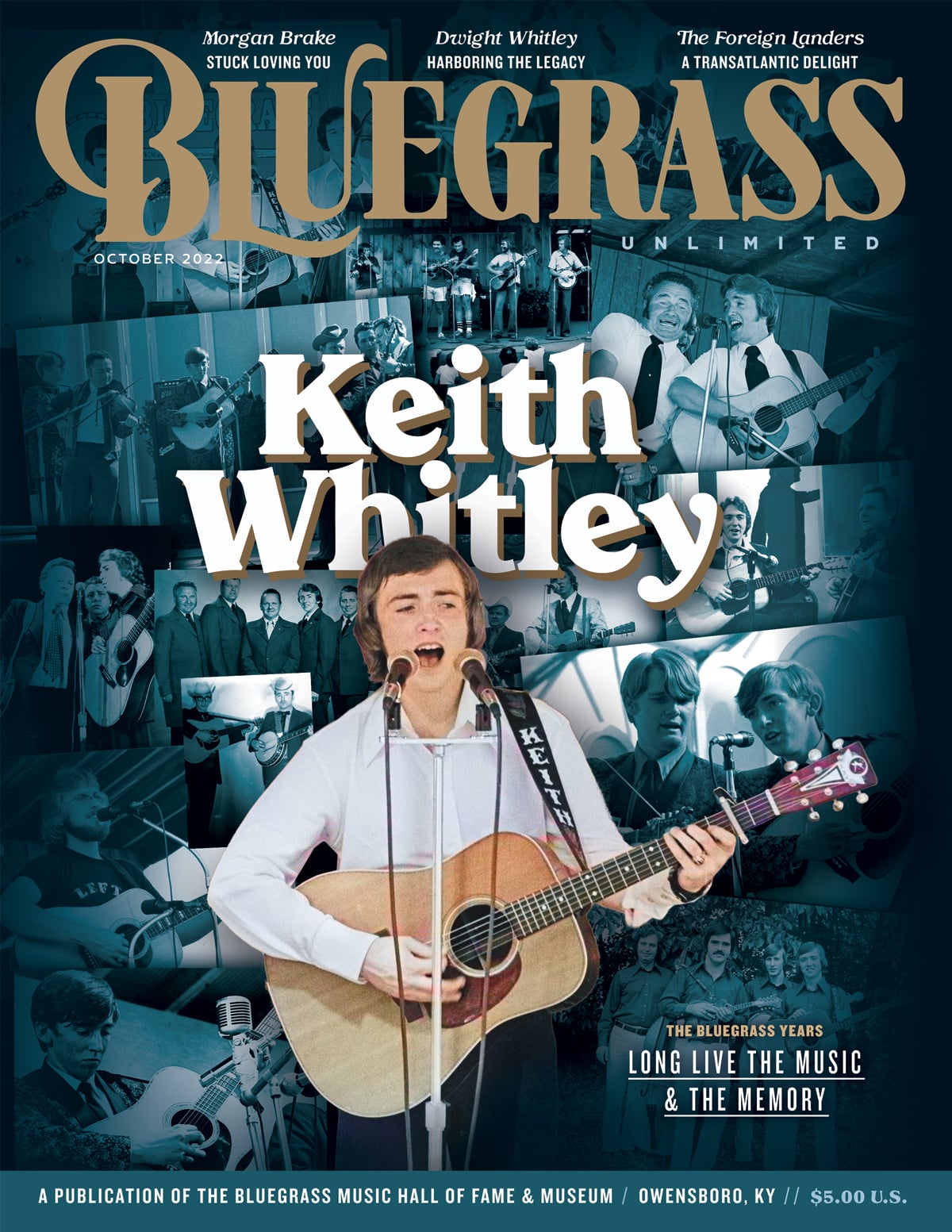
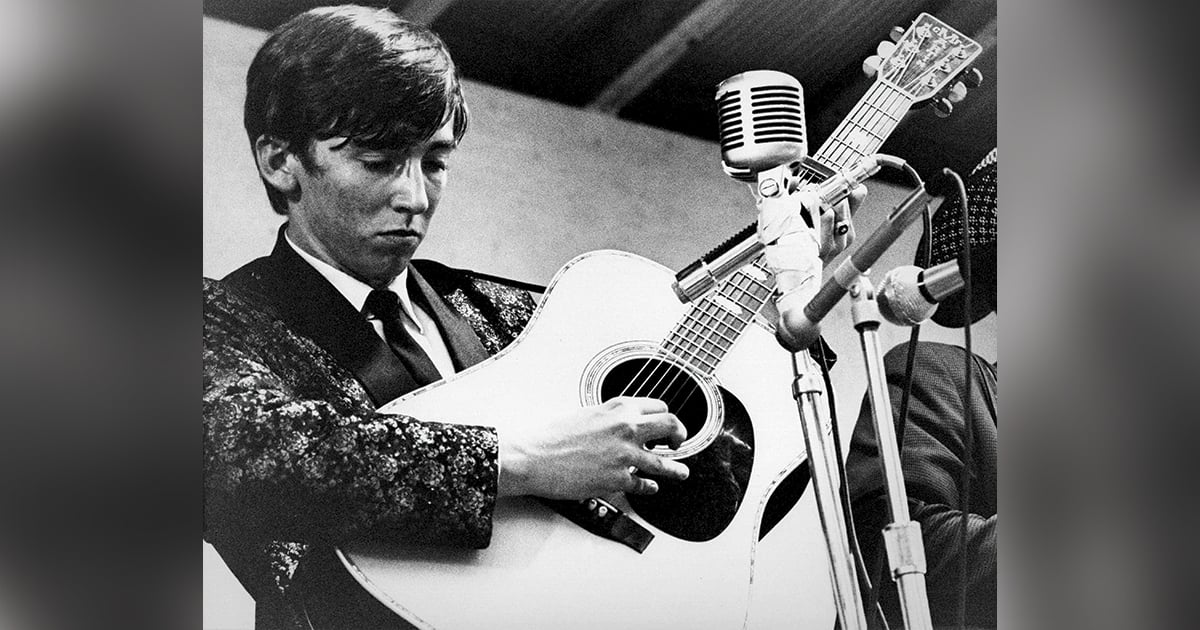
Keith Whitley
The Bluegrass Years
This year—2022—is going to be a huge year for Keith Whitley fans. We will watch as Keith receives one of the highest honors a country music singer can achieve—induction into the Country Music Hall of Fame. I have been following and studying Keith’s career since I became interested in bluegrass in 1985. A couple of years ago, I set out to contact everyone who is still living who played with Keith in each segment of his bluegrass career. In this article I provide some of those transcripts. We are not here to discuss Keith’s vices. I think it is safe to say at one point in all of our lives we have leaned on something to help us through hard times. There was so much more to Keith Whitley.
With so much focus lately on Keith’s country music career, I want to shed some light on the beginning—the bluegrass years, the early stages of his learning the music business, and the different transitions his voice went through. We will take a journey from the days of his youth until the time he left J.D. Crowe and headed to Nashville. Let’s hear from the people who knew Keith and dispel a few rumors along the way.
The Beginning with Dwight Whitley and Ricky Skaggs
Keith spent the first three years of his life in his family’s home on Briar Fork, just outside of Sandy Hook, Kentucky. In 1957, when Keith was three years old, their house went up in flames on Christmas Eve. The Whitley family moved in with Keith’s grandparents until they purchased another home closer to town. In 1966, in the middle of the night, that home was struck by lightning and caught fire. Keith’s older brother Dwight recalls a couple of friends saw the house on fire and went in to wake the family. “If it wouldn’t have been for those two boys, we might not be having this conversation right now,” Dwight said. In the span of nine years, the family had lost two homes. Elmer, Keith’s dad, then purchased the home in the town of Sandy Hook where Keith’s mom, Faye, resided until the time of her death.
Elmer Whitley was an electrician by trade. After serving in the Navy during WWII, he came home and serviced the electrical systems on the oil wells around eastern Kentucky. Dwight recalls, “We would ride in dad’s old jeep and go with him, gosh those are great memories.” Faye Whitley was a stay-at-home mom. Elmer always purchased the boys guitars and banjos from the same music store—The DJ Record Store in Grayson, Kentucky. The store was owned by John Howard. Many readers may be familiar with Becky Howard, David Parmely’s wife. John was her dad.
Keith’s first guitar was a 000-28 Martin. He played this guitar from 1967-1969. As Keith progressed musically, he felt this guitar was not really a bluegrass guitar. They traded the 000-28 in for a new D-28 Martin in 1969 and Keith was elated! In 1970, the guitar was sold to Roy Lee Centers and Elmer bought Keith a D-41 Martin. Dwight recalled, “Keith wanted a guitar like Carter Stanley’s, with the fancy block in-lay in the neck.” The 1969 D-28 went to Roy Lee’s son Lennie after Roy Lee’s death, then to Portsmouth, Ohio. A few years ago it came back to the possession of Dwight Whitley. “This guitar will stay with me till the day I die, and I will make sure it stays in the family after I’m gone,” Dwight said.
In 1966, the family went to the high school in Ezel, Kentucky for bluegrass night. J.D. Crowe and the Kentucky Mountain Boys were on the bill. Dwight remembers, “It was J.D., Bobby Slone, Doyle Lawson on guitar, and Larry Rice on mandolin.” Keith met J.D. that night and also met another young man who would play a very important part in Keith’s life, Ricky Skaggs. Weeks after the show, the Whitley boys decided to put a band together. Dwight recalls, “We wanted to call ourselves The Kentucky Mountain Boys, but realized that was the name of J.D.’s band. Keith suggested The East Kentucky Mountain Boys so we went with that at first, and then we changed it to The Sourwood Mountain Boys, and the we finally settled on The Lonesome Mountain Boys.” The band played on radio station WLKS out of West Liberty, but most shows were taped on the weekends in Elmer’s block garage at their home. They did two shows a week for WLKS, one bluegrass and one gospel. At the time, that band traveled in Dwight’s 1963 Chevrolet police cruiser.
From that time through the present day, the Stanleys Brothers were what people listened to in eastern Kentucky. Dwight said it best, “We all loved Flatt and Scruggs and Bill Monroe, but Carter and Ralph Stanley were it around these parts. They were mountain people and they sang mountain songs. We all related to Carter and Ralph, they sang about coal mines, being poor and living like people from the hills. That’s who we are here.” Keith grew up listening to both bluegrass and country music. In bluegrass, there were people all over eastern Kentucky to pick with, but not so much for country music. Keith fell in love with the Stanley Brothers and Ricky Skaggs also loved the Stanleys. A friendship like no other was born.
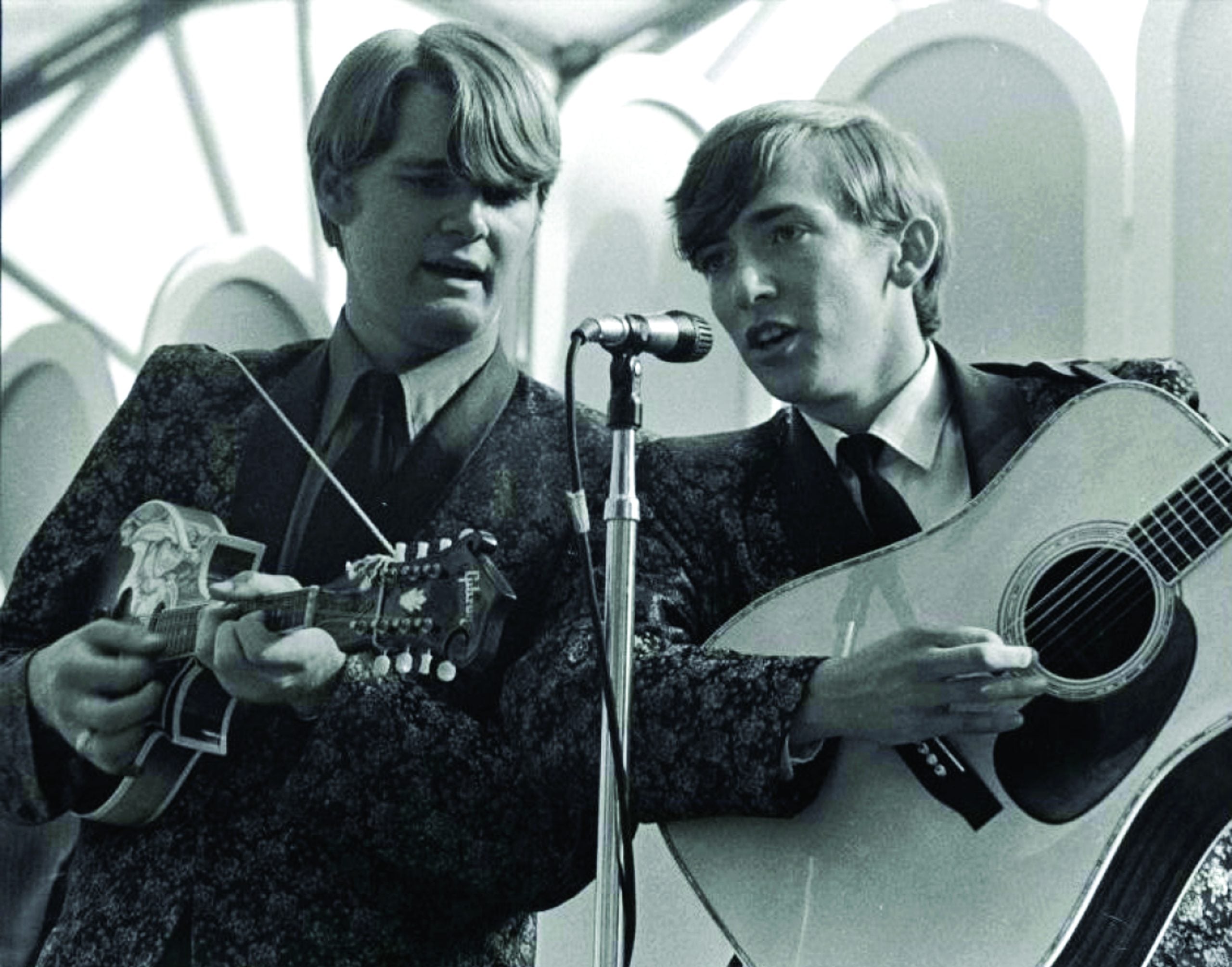
Keith and Ricky spent the next few years picking and singing together every chance they got. Ricky would come to Sandy Hook to perform with the Lonesome Mountain Boys, and Keith would spend weekends at Ricky’s house. Ricky recalled some excitement concerning Ralph Stanley and the Clinch Mountain Boys that occurred in late 1969, “We had heard that Ralph had a new lead singer—a guy from eastern Kentucky named Roy Lee Centers that sounded just like Carter. We knew we had to go see him.” Ralph was scheduled to play nearby at a little beer joint in Fort Gay, West Virginia called Jim and Fay’s. Fort Gay, West Virginia and Lawrence County, Kentucky are right across the river from one another, separated by the Big Sandy River. Lawrence County, Kentucky was a dry county, but Fort Gay was in a wet county. There were all kinds of beer joints with country and bluegrass music on the West Virginia side. People from Kentucky would often cross the line for the music and beer.
Dwight recalled, “I was working construction in Middletown, Ohio at the time so I wasn’t with them, but I know Ricky’s dad, Hobert, took Keith and Ricky.” The two boys weren’t even old enough to drive yet, let alone get into a country music night club. But, Hobert Skaggs knew the man working the door that night and he let them in. They got seated and it got close to show time, but there was no Ralph Stanley. Finally, the club owner got on the microphone and announced that Ralph had just called from a pay phone and his bus had a flat tire. The last thing he wanted was a bar full of people drinking beer who came to see live music, but no band! He spotted Keith and Ricky in the back and he knew Hobert, so he asked if the boys had their instruments. Ricky recalled, “He asked us if we could play a while to calm the crowd down until Ralph got there.”
The boys got on stage and started singing every Stanley Brothers song they knew. It wasn’t long before Ralph arrived, carrying his banjo case. He sat and watched what was to become two musical legends play and sing the songs he and his brother had sung. As a young boy, every chance I got I would ask Ralph about the early years. He told me about that night he first watched Keith and Ricky perform. He said, “It was like I was listening to Carter and I perform. It took me back…those two just had that old harmony.” Keith and Ricky would soon become Clinch Mountain Boys and hit the road when school wasn’t in session. It was not long before Keith would quit high school to perform full time with Ralph, earning high school diploma through correspondence. The next few years travelling the roads with Ralph would lay the groundwork for things to come.
The Ralph Stanley and the Clinch Mountain Boys years—Part One
Keith often said in interviews, “The time I spent with Ralph really showed me the business side of music. Ralph was a great businessman. I learned a lot from him.” From early 1970 to mid-1972, Keith would serve as lead guitarist for Ralph Stanley. Keith and Ricky would often showcase a few duets of old Stanley Brothers songs. Keith now had a chance to be out on the road for the first time and get a taste of traveling away from home. It also gave him experience with festivals such as Bean Blossom, Hugo, Watermelon Park and various venues all over the country. I have heard Curly Ray Cline tell the story many times about how he would pay Keith and Ricky ten cents apiece to count his money for him from his record table sales.
Keith would record seven long play albums with Ralph, in addition to two recordings as a duet with Ricky Skaggs, during his first stint as a Clinch Mountain Boy. There was a 45 that Keith and Ricky played on that is almost impossible to find. It is on the WHIZ label out of Jackson Kentucky and was labeled as “Cager Farler and His Southern Mountain Boys.” It was actually Roy Lee Centers on banjo, Keith on guitar, Ricky on mandolin, Cager on backup vocals, and Cager’s brother George on bass. The quartet recorded 32 tracks but only “Live and let Live/Orange Blossom Special” made it to pressing.
Cager is mentioned in Ralph’s Man Of Constant Sorrow book, where he says: “Cager was what you call a go-getter. He had a record store and a restaurant in Jackson and ran a popular bluegrass festival outside of town. The summer before Roy Lee’s murder, we played at the festival along with Jim and Jesse, Lester Flatt and Bill Monroe and a lot of other top acts.” There were a lot of rumors within the Stanley circle that Dick Freeland, of Rebel Records, had threatened Cager with lawsuits. All of the Clinch Mountain Boys were under contract at Rebel and were not to record with anyone else. Thanks to a dear friend in Melrose, Ohio, I recently received a copy of this rare gem.
Keith’s time as a Clinch Mountain Boy cemented his desire to be a road musician. It also provided Ralph with a band that produced great albums, such as Cry From The Cross and Something Old Something New. Keith’s lead guitar was almost note-for-note like George Shuffler’s, and replicated Shuffler’s tone. With Roy Lee Centers’ lead singing (which was eerily similar to Carter Stanley) Keith’s Suffler-style lead guitar, Ricky providing a mandolin and a second fiddle, Curly Ray Cline’s mountain style fiddle, and Jack Cooke’s solid bass and ability to sing all four parts, Ralph Stanley had a perfect band for his sound and style. This would last until 1972, when Keith would receive a phone call from Jimmy Gaudreau.
The New Tradition / Country Store Years with Jimmy Gaudreau, Alan Munde and Tommy Hunter
This era of Keith’s bluegrass career always intrigued me. It was the first time Keith explored outside of the traditional bluegrass and country music realm. There were two live albums from this time period, but no studio albums. I truly believe this era fed Keith’s desire to explore and experiment more with his voice.
In 1971, at a bluegrass festival in Olive Hill Kentucky, The Country Gentlemen and Ralph Stanley and the Clinch Mountain Boys were on the same bill. Jimmy Gaudreau and Bill Emerson were standing by the Gent’s bus when Bill asked Jimmy, “Have you heard the two new boys with Ralph?” Jimmy said he had not. “Man you have got to come check these guys out!” Bill exclaimed. “I just couldn’t believe what I was hearing. Keith was so smooth, and Ricky’s tenor was the same!” Jimmy said. Jimmy and Keith struck up a friendship that would last for years to come. Jimmy couldn’t say enough about how blown away Bill Emerson was by Keith’s singing. That says a lot coming from Bill.
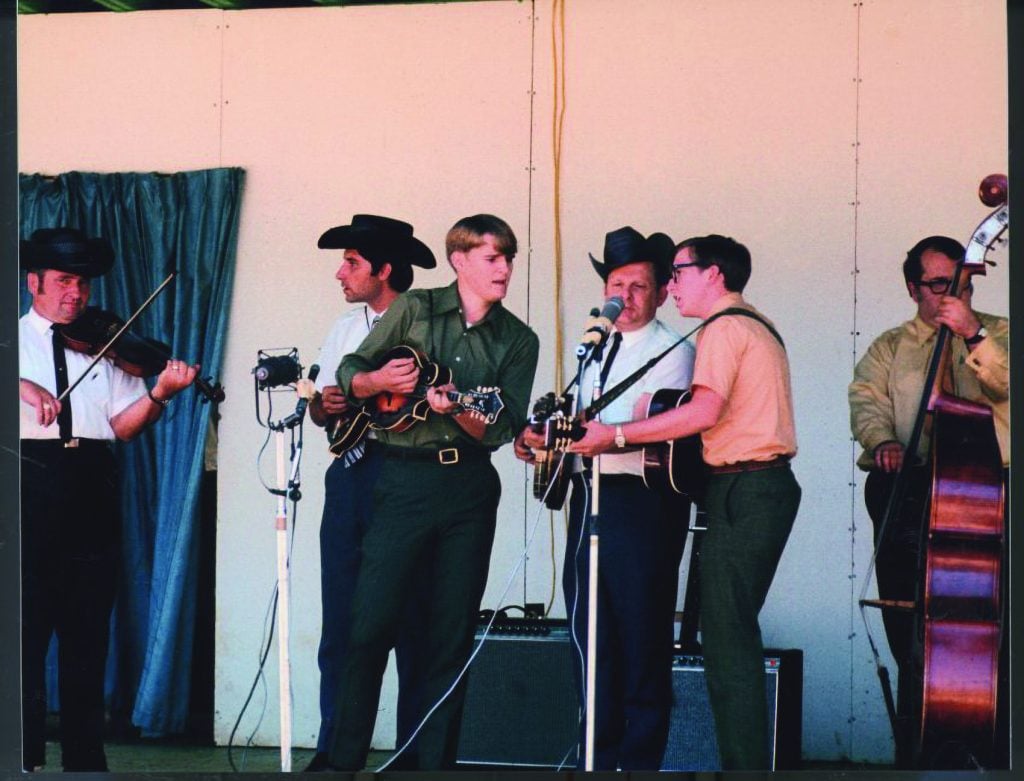
The band name Country Store came from a country band that Jimmy had while funding a school in his native Rhode Island. That band consisted of Jimmy, Bill Rawlings, Ed McLaughlin and George Almida. They played mostly Buck Owens cover songs. When that band broke up, Jimmy moved to Columbus, Ohio to form The Second Generation with Eddie Addcock. He played with them for about a year. Jimmy said, “It was just going a different direction than I wanted to go. I wanted to play more bluegrass-based material.” Jimmy decided to start a new band. The band with Keith started out as the Country Store, changed to New Tradition, and went back to Country Store.
Jimmy remembered Keith’s singing from the year before and knew Keith was playing a second role with Ralph as a lead guitarist and not getting much lead vocal time. He called Keith and told him that he had started a new band and asked him to join. Keith was hesitant at first, but after considering his opportunity to be a lead singer, and expand the material, he accepted. All they needed now was a banjo player. Jimmy called a fellow in California named Pat Cloud and told him of his new venture. Pat, and bass player Jim Landers, agreed to play and invited the boys to California for a few weeks to play some gigs there. Just as they were ready to head back home, Keith and Jimmy got an offer to join the Country Gazette and stay in California. Keith declined, it was just too far from his family and he was getting homesick. The band returned to Columbus, Ohio with Pat Cloud and Jim Landers. But it wasn’t long before the west coast duo became homesick for California and returned. Jimmy then called longtime friend Bill Rawlings in to play bass.
Keith and Jimmy’s next call was to banjo player Carl Jackson,who had been playing with the Sullivan Family. Carl accepted and came to Columbus for some practice sessions. One night, Keith and Carl headed to the Ohio State Fair where Glen Campbell was performing. The two attended the concert, and due to a friendship Carl had with Glen’s banjo player, Larry McNeely, they got backstage. Carl had heard grumblings that Larry might be leaving Glen’s band. The two struck up a conversation and Carl got offered the job as banjo player for Glen Campbell. Jimmy recalls, “Carl came to me the next morning and said, look Jimmy, I came to Columbus to play with you guys, if that’s what you want me to do, I am here.” Jimmy said, “Carl this is an opportunity of a lifetime, go and don’t look back!” Keith and Jimmy relocated to the D.C. area.
Keith and Jimmy then called Jimmy Arnold to play the 5-string. Keith had known Jimmy Arnold from various bluegrass festivals. Arnold relocated to Washington D.C. The New Tradition was starting to get busy with gigs, when suddenly Jimmy Arnold relapsed with alcohol and was admitted to a rehabilitation center in D.C. The following week the band was supposed to play at one of the largest bluegrass festivals in the world, Bill Grant’s festival in Hugo, Oklahoma. Jimmy called Bill and explained their situation, and Bill said “Alan Munde will play with you guys, just come on, we have you covered.”.
In a phone conversation with Munde, he told me, “When I stepped on stage with those guys in Hugo, I just about couldn’t believe it. It was one of the best trio’s I had ever played with. Jimmy, Keith, and Bill had harmony that would make your hair stand up.” Munde says about Whitley, “Keith was one of those guys that didn’t play a guitar too hard and didn’t play too soft, he could compliment an instrument like no one I had ever played with before.” It was at this time the band name went back to The Country Store.
The band returned home to D.C. again without a banjo player. The next banjo player in line was a Michigan boy named Tommy Hunter. I needed some help with this one. I had run across some pictures from Carl Fleischhauer’s collection and saw a banjo player in one of them that I didn’t recognize. After consulting with Gary Reid about who this mystery man might be, we were both stumped. I then called longtime friend and legendary banjo player, Dana Cupp, who confirmed it was Tommy Hunter from Michigan. Keith approached Tommy at a festival in Louisville, Kentucky about the job and Tommy accepted. Those of you who haven’t heard Tommy pick, I can tell you, he was amazing! Tommy says, “My first two shows with them were a bar in Toledo and the Red Fox Inn in D.C. I really enjoyed picking with those guys. Keith, Jimmy and Bill had amazing harmony.” Tommy played with the band for a few months and then was offered a job with Jimmy Martin, which he accepted. Tommy had a stroke a few years ago, but is still alive and well in Michigan.
The band was again left looking for a banjo player. They performed some more gigs throughout the year using Bobby Bryant and Jim Smith to fill in on banjo. Then came the untimely death of Roy Lee Centers. Keith told Jimmy, “Jimmy, I need to go to the funeral, I know we have gigs to play, but I need to go.” Gaudreau completely understood. After Roy Lee’s funeral, Elmer, Faye, and Keith Whitley met Ralph and Jimmi Stanley for lunch at the Country Inn in Jackson, Kentucky. Ralph said, “I’m not sure what I am going to do for a lead singer.” Elmer looked at Keith and said, “I think I might know someone.”
Keith returned to D.C. and told Gaudreau he had accepted the job as Ralph’s new lead singer. Jimmy carried on with the band, recording one studio album for Rebel, before the frustration of keeping a banjo player had become overwhelming.
The Ralph Stanley Years—Part Two (with Ricky Lee, David and Danny Marshall)
Keith would rejoin the Clinch Mountain Boys as the lead singer on May 4, 1974—his first show being May 18, in Haysi, Virginia. Ralph’s band at the time consisted of Ricky Lee on lead guitar, Ralph, Curly Ray Cline and Jack Cooke. Ricky Lee, being the only member still alive, was gracious enough to reminisce about his days working with Keith.
Ricky Lee started on lead guitar with Ralph in November of 1972, taking over when Keith left. When he took the job, he lived in Ralph’s mom’s house at the hills of home. Ralph had three different styles of suits made for the band in 1970. Ricky Skaggs and Ricky Lee were similar in build, so Lee got Skaggs’ suits when he was hired. Lee was playing with a band in North Carolina called The Bluegrass Tarheels. They were a very prominent band and played a lot of the same shows Ralph and the boys were on in the south. The recordings Ricky did with Ralph when Roy Lee and Keith were lead singers featured Ricky Lee playing a guitar that had a very distinct, clear, crisp sound. He had an incredible style of his own. I asked Ricky about the guitar, “I still have the same guitar. It is a 1968 Brazilian Rosewood D-28. I got it from a music store in King’s Mountain, North Carolina. I probably played 20 guitars that day, but that one really had the sound. I always heard that the music store is where Earl Scruggs got his banjo from,” Lee said. Ricky had a very close bond with both Roy Lee and Keith. Lee said, “We were all pallbearers at Roy Lee’s funeral. There was Keith Whitley, Ricky Skaggs, Curly Ray, Jack and myself. That was a tough time for all of us. We all loved Roy Lee very much. He was just as good a feller as you’d ever meet.”
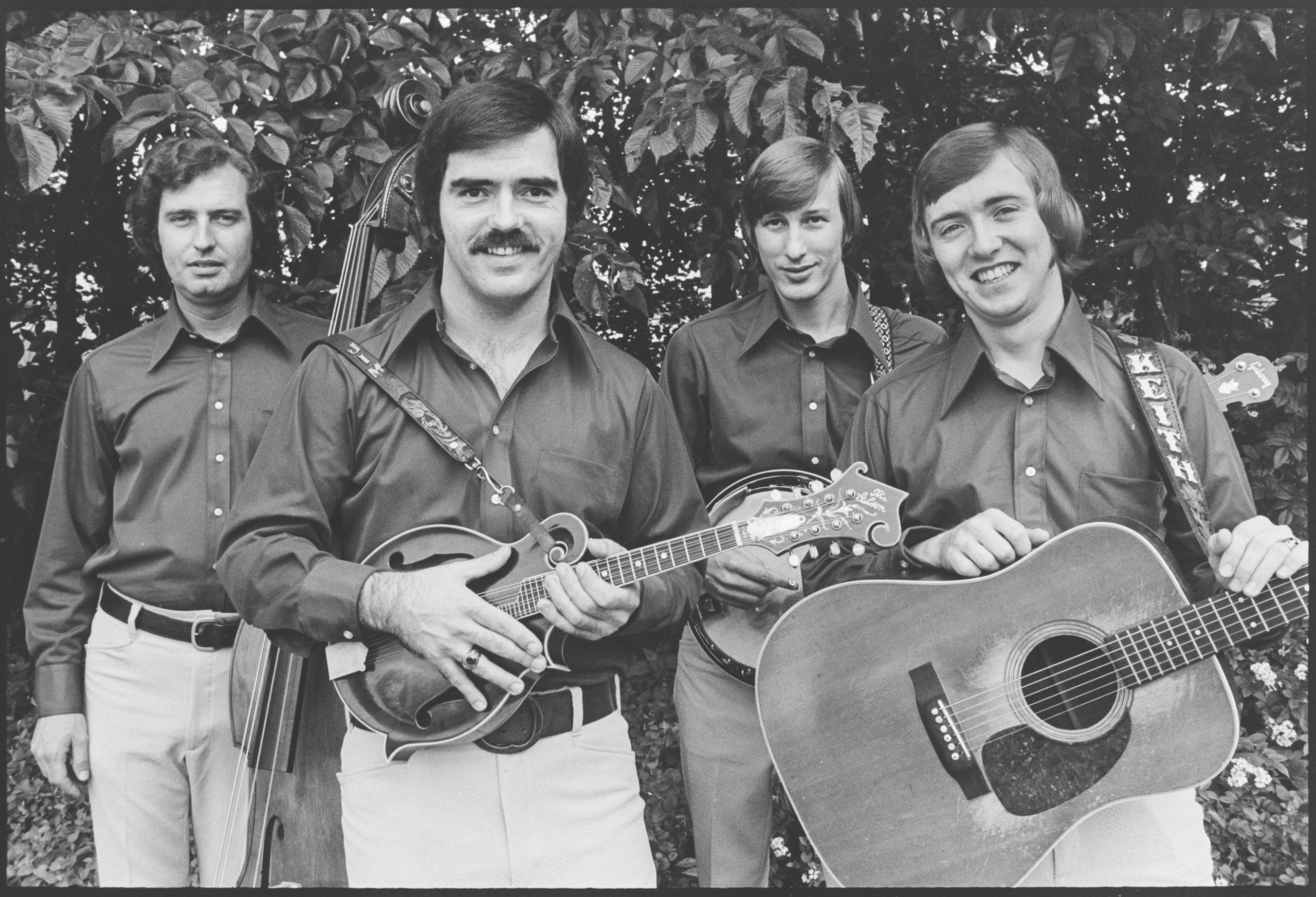
Stanley fans know that Ralph did not like his band members going out at night after a show and “carrying on.” Ralph believed that music was the band’s way of making a living and he liked to keep the image of clean and pure. Oftentimes, Ricky Lee and Keith would sneak out to do a little picking with friends around the campfire at festivals. “Keith just loved to grab a guitar and sing country around the fire. He was an incredible singer. He was on a big George Jones kick at the time. He could imitate George like no one could. He could imitate anyone for that matter. I just loved Keith. He and I shared the same bunk up above the driver’s seat in Ralph’s old motorhome,” Lee recalls.
It’s been told that Ralph fired Ricky after he upset a tractor while getting the grounds ready for the Hills of Home festival. Lee said, “No, there is no truth to that. I had already given my notice to Ralph when that happened. I was just getting tired of the road. I did upset a tractor. Ralph had just bought a new Massey Ferguson and he asked me to take it from his house to the festival to do some brush hogging. It was about three miles to the festival and I hit a washboard in the road and the road gave out. It almost killed me.”
Ricky gave his notice and Ralph told him of the upcoming tour to Japan and asked Lee to stay onboard. Ricky agreed. “It was Ralph, Keith, Curly and myself. Jack Cooke couldn’t go because he had gout. We picked up a Japanese guy in Tokyo and the man was good. Played every note and never missed a beat,” Lee said. The first date they played on the 1975 Japanese tour was the Hotel Tokyo. The next night was five hours away at Osaka College. Ricky continued, “We got to ride on the Silver Bullet train. It was really famous at the time. Me and Keith sat down and there was this big clock at the front of the train car, but the time didn’t look right. As the train got faster, the big hand kept rising. I told Keith, that isn’t a clock that’s a speedometer! It was over 100 mph!
“We played in a big stadium over there, I can’t remember the name of it, but we had a translator with us. We were backstage and our translator told us, ‘Whatever you do, don’t go out this door!’ Well you don’t tell a kid to stay out of the candy jar. Keith and I went outside and there were 400 to 500 people lined up outside waiting to get into the stadium. They were all there to see us! They started grabbing Keith and me and asking for autographs. I looked back at the door we came out of and we were 50 feet away from it. Keith and I were starting to get a little worried because we were getting swarmed. I told Keith to grab on to my belt, he did and I pushed my way back to the door. I’m a pretty big feller you know?”
There is another long standing rumor regarding the HD-28 that Keith acquired from Lester Flatt. Keith had been after Lester’s guitar for a while. The rumor has always been that Lester gave Keith the guitar, which may be partially true. At the big festival in Ottawa, Ohio Lester called Keith over to his bus, and Keith asked Ricky Lee to go with him. “Keith was just as nervous as could be, he had that big grin all over his face because he knew what was coming,” Lee said. Lester told one of the boys in the band to go get the guitar. Lester handed it to Keith, and Keith handed Lester a check for $1200. Lester looked at the check, which was issued from Elmer Whitley and said, “Sandy Hook…I didn’t know there was $1200 in Sandy Hook.” Everyone got a big laugh, and Keith walked away with a historic guitar. Part of the story may never be known. It is rumored that Lester never cashed the check and actually gave it back to Keith.
During the early and mid 1970’s Keith and Ralph developed a great relationship with the legendary Marshall Family. David Marshall recalled, “Ralph took our family under his wing. We played on a lot of the same shows. Keith was just so charismatic and had the attention of people wherever he was. His voice just had an intense effect on everyone. Keith was a stylist and was always concerned with how to deliver a song.” David adds, “When Keith was singing lead for Ralph, they were gaining a lot of attention. Ralph knew what a special singer Keith was. I felt that Keith was the best singer in bluegrass at the time.” After Ricky Lee left, Ralph called on Danny Marshall to fill the lead guitar role. David Marshall recalls, “Because we played on a lot of the same shows with Ralph, I think my mom and dad were OK with Danny going with Ralph at such a young age.”
Another long standing rumor suggests that Keith left Ralph because Danny and Keith didn’t get along well. I asked Danny about this and he said, “There is just no credibility to that rumor, and I have no idea where it would have even come from. Keith Whitley and I worked very well together and got along great. Keith Whitley was my idol and I considered it an honor to play in the same band as him.” Danny said he and Keith spent a lot of time in very deep conversation while travelling with Ralph. Danny said, “I would ride shotgun at night to keep Keith, or whoever was driving, awake. We would ride all night and just talk. Gosh, those were great memories.”
I knew that Ralph and Keith were notorious for pulling practical jokes on other members of the band while on the road and I asked Danny if he had any stories. Danny laughed and said he recalled hearing a story about Ralph’s prior guitar player, Renfro Proffit, “You know there was one time Keith had conjured up this plan with the rest of the band, to pull one on Jack Cooke. Ralph was in bed sleeping on the motorhome and they were going down the road somewhere, Keith had come up with this plan to start a big argument with Renfro, he had even brought along a cap gun to fire off! The argument got louder and louder and pretty soon Keith fired off that cap gun and Jack Cooke screamed at the top of his lungs, ‘Ralph, wake up! Keith is going to kill Renfro!’ Jack didn’t think it was very funny, but Ralph was back there laughing and the whole band got quite a kick out of it,” Marshall said.
When asked what really stood out about Keith, Danny said, “You know, Keith was just a great guy. He was always good to me. We rode many a mile together and we had some really deep talks. I loved Keith and I hated it so bad when I heard he had passed away. I heard it on the radio. I had to pull the car over. My eyes were so misty it wasn’t safe to drive. Musically, I was always in awe of how Keith handled a crowd and controlled his voice. Personally, he was just a great guy who loved to laugh, be happy, and see other people happy.”
Keith Whitley would record three studio albums and one live album while the lead singer for Ralph Stanley. He stayed with Ralph from 1974 until 1977 when a very familiar voice would call once again.
The Crowe Years—With Jimmy Gaudreau, Gene Johnson, and Wendy Miller
In 1977, Keith gave his notice to Ralph. Rumor has it that Ralph was not happy. Differing stories have been told regarding how Keith came to join J.D. Crowe and the New South. In an interview I conducted with Crowe in 2019 at the old Red Slipper in Lexington, Crowe said, “Keith approached me at a festival in early 1977 and said he would like to join my band. I told Keith that I don’t take other musicians from another band leader. I told him if he gave Ralph a notice and worked it out we would talk. I had Glenn Lawson playing with me at the time, so I really wasn’t looking for a lead singer, but I knew what a great singer Keith was and I knew he loved old country music, and so did I. We would be at the same festivals as Ralph, and Keith would come over to the bus and grab a guitar and sing George Jones, or Merle Haggard. He was one of the finest singers I’ve ever worked with. He was a singer’s singer.”
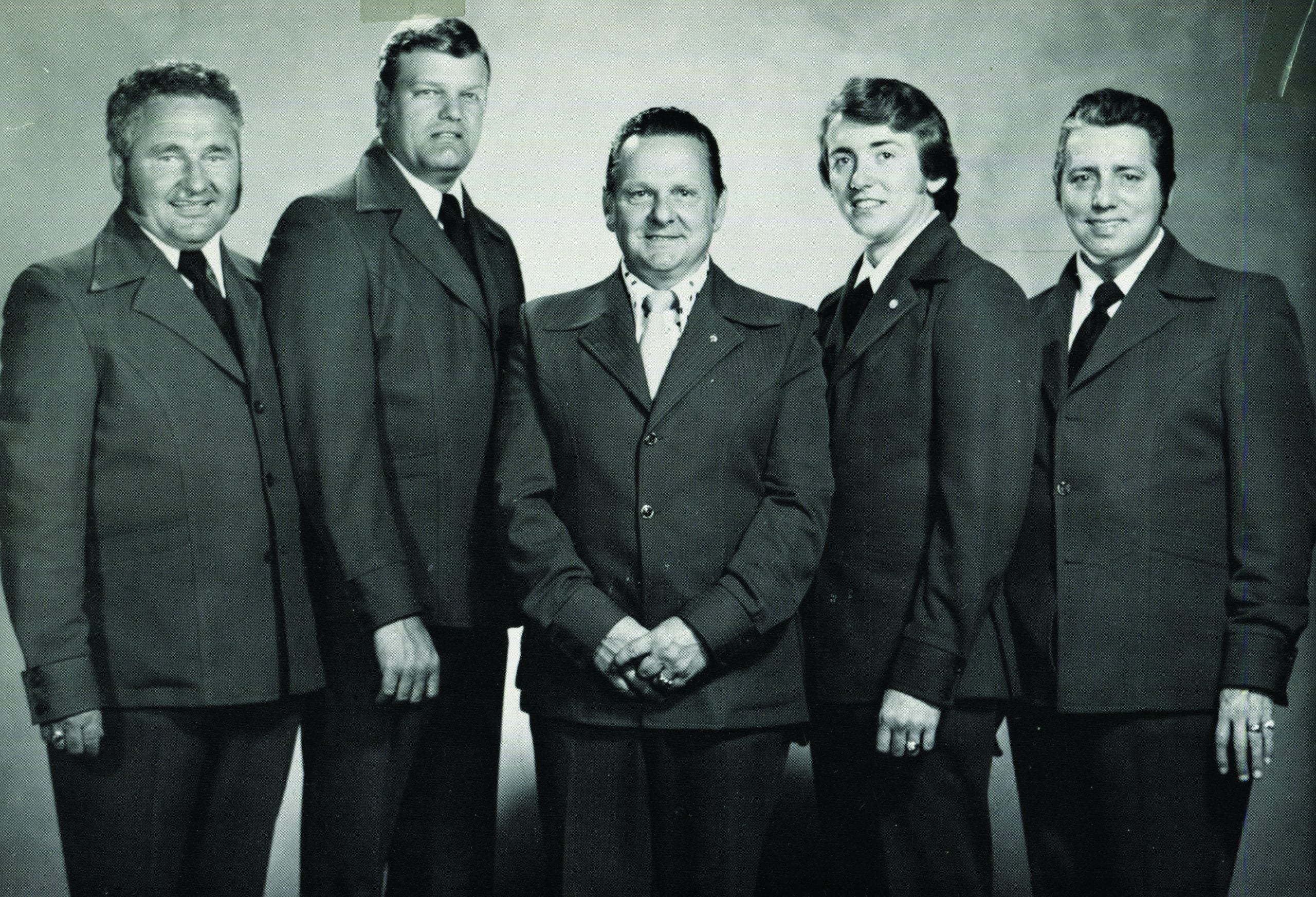
After Jimmy Gaudreau left the Country Store, he went to work with J.D. Crowe and the New South. Glenn Lawson was the band’s lead singer at the time. In 1977, Glenn Lawson left Crowe to concentrate on getting his master’s degree. Gaudreau recalled Glenn’s last show, “We played at Charlie’s East Side in D.C. and drove Crowe’s motorhome back to my house. I remember sitting in that motorhome in front of my house, and Crowe said, ‘Well boys, now what do we do for a lead singer?’ I looked at J.D. and said, “I think I might know a guy.” Keith had given Ralph his notice when Gaudreau called to let him know of the open position. Keith didn’t hesitate.
Gaudreau said, “Not only did I steal Keith from Ralph the first time, I did it a second time. Every time I would see Ralph at a festival, he would always give me a sideways look.” Crowe had been using a steel guitar and drums on his shows and that was right up Keith’s alley. Gaudreau remembered, “Between the time Keith had given Ralph his notice and when he was to start with J.D., he came and filled in for Glenn at The Great Midwest Music Hall in Louisville. Keith was just a perfect fit.” I asked Jimmy for any stories from the road and he said, “You know there are a lot of stories, some I can’t tell, but I will tell you all of the guys in the band loved to play jokes on each other. Cigarette loads were the most famous. We all smoked back then and Crowe was notorious for putting loads in the end of our smokes. They would blow up the minute you lit them. We got to the point we would check every cigarette before we lit it.”
While playing with J.D. Crowe, Keith married Kathi Littleton from Carter County, Kentucky. Jimmy Gaudreau was the best man. Many new things were happening in Keith’s life. The years with Crowe were laying the groundwork for the inevitable. Crowe said “I knew what was going to happen. I knew I was going to hate to lose him as my lead singer, but I thought if I could help Keith get to where he wanted, well then that’s what I wanted to do.” Keith loved playing with Crowe. Soon a new bass player would join the band, Mike Gregory. Mike also played steel guitar, and when the band decided to cut the My Home Ain’t in the Hall of Fame album, Mike played steel guitar. Crowe allowed Keith to pick out most all of the material for My Home Ain’t in the Hall of Fame and the Somewhere Between albums. The material was reminiscent of the old Haggard and Jones material and had heads turning.
In late 1979, Jimmy Gaudreau would leave the New South. J.D. would call on Gene Johnson to fill the role of mandolin player and tenor singer. For those of you who don’t recognize Gene’s name, he would go on to be a member of country supergroup, Diamond Rio. Gene was born and raised in Sugar Grove, Pennsylvania. He then spent time as a member of Cliff Waldron’s band and also 2nd Generation with Eddie Addcock. Gene said, “I stayed with Crowe just about a year and a half. It was a great experience, but I had a family back in Pennsylvania. I would stay with J.D. in Lexington when we had a lot of shows, and I would stay with Keith in Sandy Hook. Keith was a great friend. How could anyone not love the voice and personality of Keith Whitley? I hated to give them my notice, but money was very tight in those days. Shortly after leaving Crowe, I got a job offer from David Bromberg.”
Johnson would continue playing on the road until the early 80’s. He said, “After Keith moved to Nashville, he would call me every few months and tell me I needed to move down there. He said that he just knew I could make it big there. I thought to myself, gosh, I’m a mandolin picker and bluegrass tenor singer, Nashville doesn’t need me. Well, on a visit to Nashville after Keith kept encouraging me, my wife got a job offer, and we moved here. I always credit Keith with the success that I’ve had.”
Gene would eventually introduce Keith to Don Light, who would go on to be Keith’s first road manager. Johnson knew Don from his bluegrass days with 2nd Generation. Whitley would then line up Johnson with an audition with Steve Warner. In 1987, former bluegrass picker, Jimmy Olander would call Gene to join The Tennessee River Boys, who would later change their name to Diamond Rio.
Well known mandolin player Winston “Wendy” Miller would fill the spot after Gene left. Miller had made quite a name for himself as part of Larry Sparks and the Lonesome Ramblers. In 2013, I attended the festival at Meadowgreen Park in Clay City, Kentucky and had a chance to talk with Wendy for quite a while about his time with Keith. He said, “Keith was just such a gifted singer. He could deliver a song almost like he had studied the lyrics for days on end. He was a lot of fun to be around also. There was always laughing and joking when Keith was around. He had so much talent.”
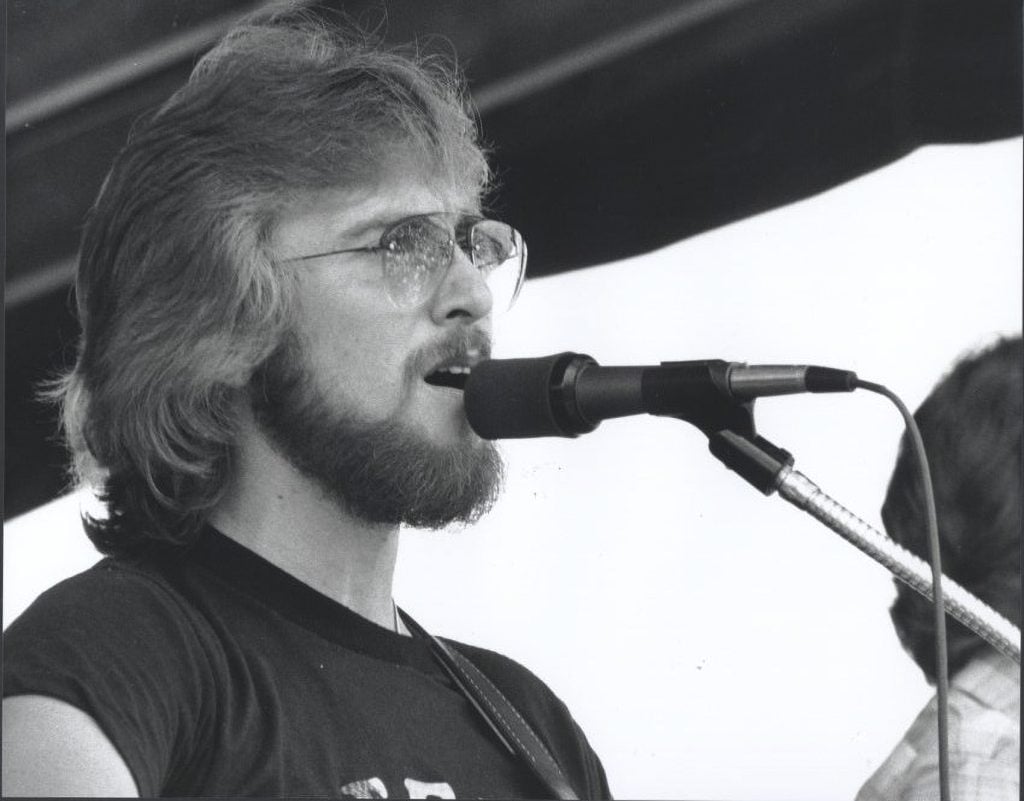
When I talked to Crowe in Lexington, I remembered him telling me a story that had everyone in the band in disbelief. “We had to play Dayton, Ohio one weekend and everyone was meeting at my place. We left Friday morning and we were running late. Keith got on the bus and had a gallon bottle of Jack Daniels with him. Now Keith loved to play jokes, and no one knew it but he had taken an empty gallon bottle of Jack Daniels and filled it with apple juice. It looked just like whiskey. We started down the road and Keith turned that bottle up and drank half of it! I thought to myself, ‘Oh boy!’ I told him, ‘You know we have to play in 4 hours?’ Keith said, ‘Yes I know.’ He kept taking big drinks and I was wondering what I was going to do for a lead singer. It wasn’t long and the entire bottle was gone and Keith was passed out on the couch. One of the guys in the band went to wake him up and he came to. I said, ‘Keith, are you OK?’ He said, ‘Why sure I am J.D., that was the best apple juice I ever had!’ I liked to have rung his neck, but boy did we have a laugh out of that one. Keith just laughed and laughed long until about that afternoon when his belly started aching, then it was me who had the big laugh,” Crowe said.
Keith Whitley will be remembered as one of the greatest singers in bluegrass or country music. His ability to deliver a song with feeling is legendary. I would always hear stories from the old timers here in Ohio about how Keith would get out and jam with folks. They would also tell stories about his Lester Flatt impersonations and his constant jokes.
My good friend Randy Leab was able to sit down and pick a few tunes with Keith in 1976 at the Hills of Home Bluegrass Festival. Randy talked about Keith’s ability to play rhythm guitar effortlessly, and how he played just behind the sound hole. Keith has been a hero of mine since childhood. My father purchased tickets to see Keith at Ponderosa Park in Salem, Ohio. The concert was slated for June 1989. Keith passed away in May. I guess some things just aren’t meant to be. Long live the music and memory of Keith Whitley.