Fireside Collective: The New Generation of Bluegrass
Photos by Heather Hambor
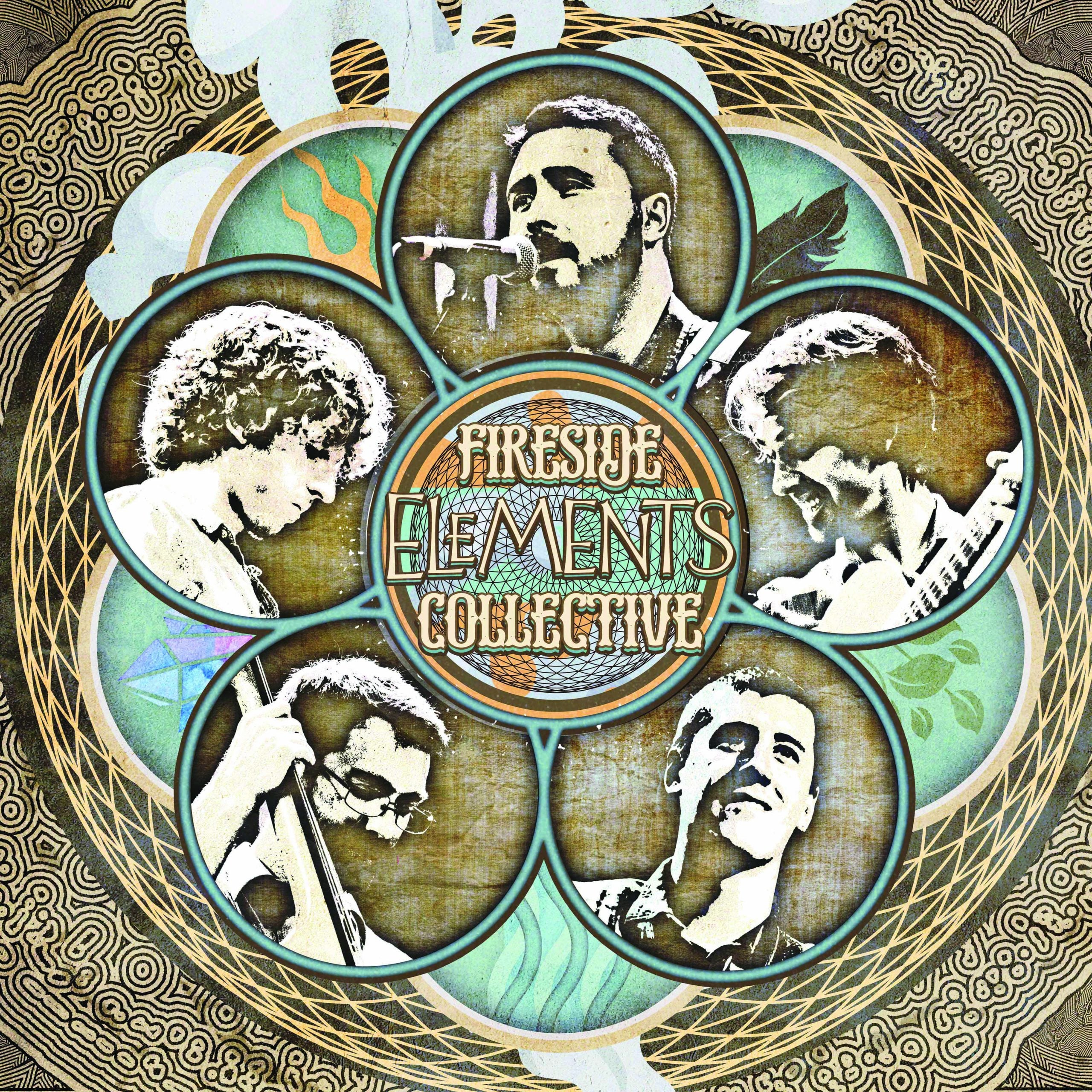
Just like the name of their third CD, Elements, Fireside Collective is a multifarious music group melding together a variety of influences.
“We have always been inspired by the creativity and excitement of Bill Monroe and the Bluegrass Boys, Flatt and Scruggs and the Foggy Mountain Boys, The Stanley Brothers and all of the early bluegrass pioneers,” Jesse Iaquinto, the group’s mandolinist/vocalist told Bluegrass Unlimited.
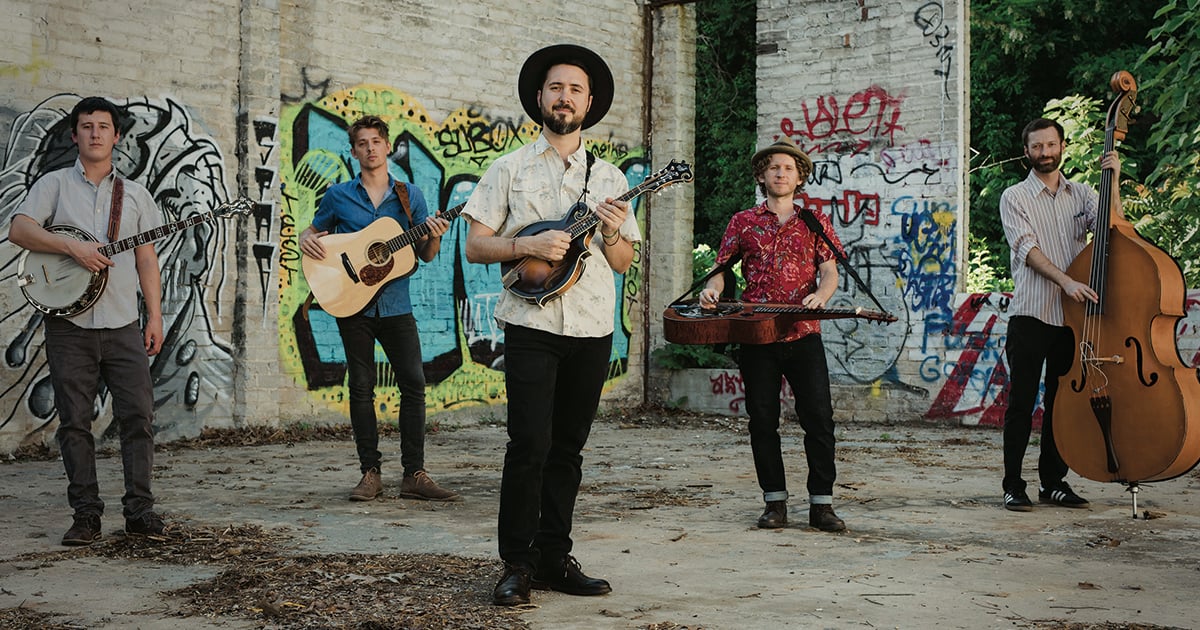
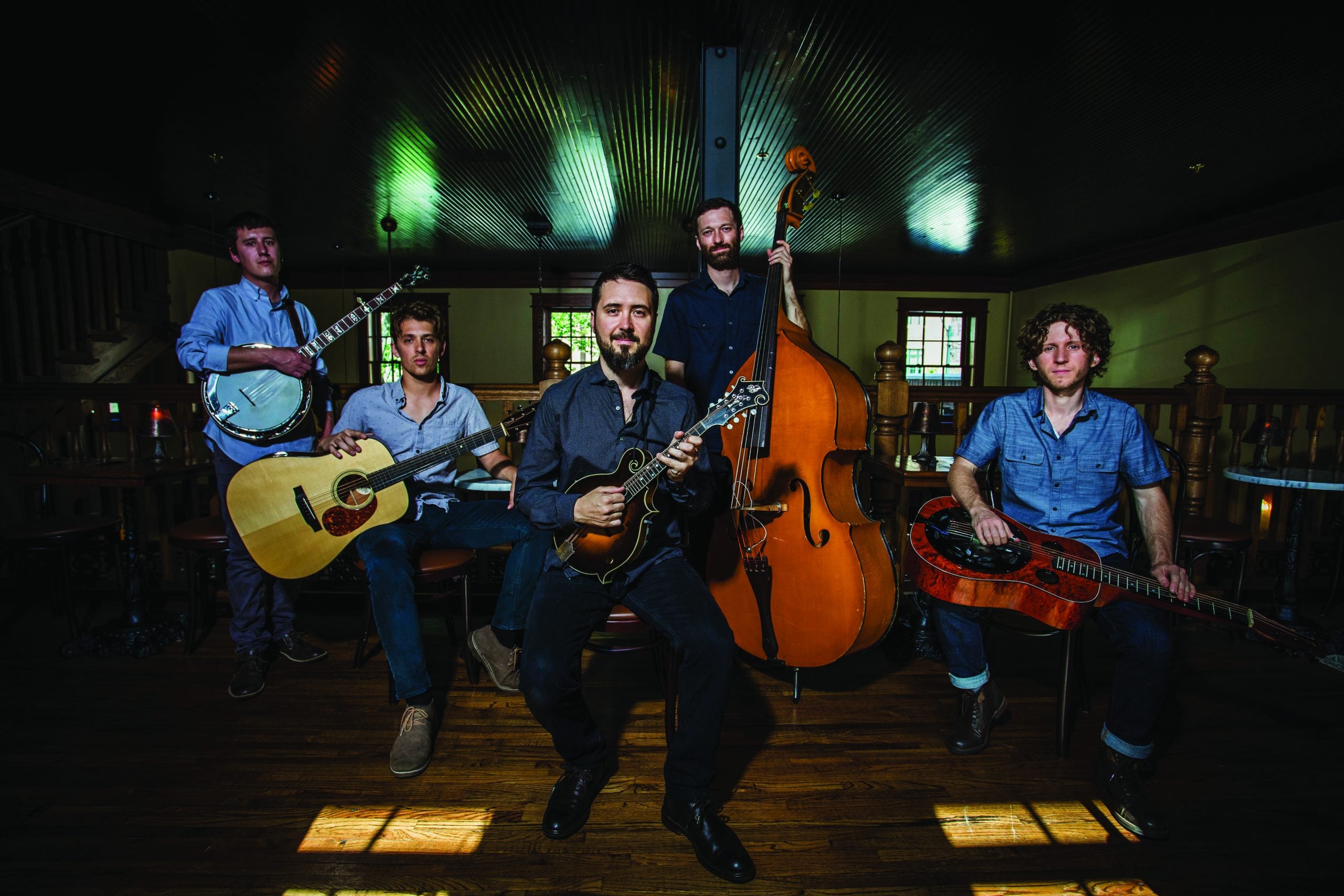
Iaquinto is joined in the quintet by original members Tommy Maher (Dobro/vocals) and Carson White (upright bass/vocals) and newer members Joe Cicero (guitar/vocals) and Alex Genova (banjo/vocals).
“We also love the artists who helped bluegrass evolve throughout the years such as Tony Rice, Sam Bush, Newgrass Revival, Hot Rize, and the Seldom Scene,” says Iaquinto. “At the same time, we are inspired by the songwriting of the Beatles and Bob Dylan as well as the live performances of the Grateful Dead. On top of all of this, we love the contemporary string bands who have emerged recently such as Nickel Creek, Yonder Mountain String Band, the Infamous Stringdusters and so many more. We aim to feature all of these influences in one way or another through our music, our live shows, and how we run our business.”
This progressive quintet may not fit the taste of all dyed-in-the-wool traditional bluegrass fans, but the guys say they’re not any more radical than some of the early bluegrass musicians.
“Bluegrass was very progressive in its founding days and completely original for the time,” says Tommy Maher. “So, I think moving the genre forward is another way to honor its legacy. Preserving the legacy by imitating the greats like Bill Monroe and Flatt & Scruggs is another way, and I believe both styles can exist.”
“Our influences vary greatly, but we use our love for bluegrass to find common ground and bring new ideas to life,” Joe Cicero said. “Maybe it’s because we didn’t learn bluegrass through a folk tradition that we feel free to use that common denominator more or less on any given night.”
Based out of Asheville, NC, this unique collective of musical talent had captivated audiences, building a strong fan base even before they were signed to Mountain Home Music in 2019.
“We built our fan base by touring extensively, playing lots of shows in targeted markets, and engaging our fans using social media and other online tools,” Alex Genova said. “We also took advantage of events like the IBMA World of Bluegrass. For the first few years, we did the Gig Fair and played as many showcases as possible. IBMA was really helpful for us; we ended up getting booked at some major festivals after networking and being seen. The more festivals we played, the more we were seen, and the more we were asked to play other festivals and venues.”
The 2016 Merlefest band contest winners and 2017 IBMA Momentum Band of the Year nominee worked hard to open for bands they admired and who commanded a bigger audience like the Yonder Mountain String Band.
“YMSB was one of the bands that led some of us to discover traditional bluegrass as well as other more progressive forms of the genre,” Genova remembers. “The band members were so kind to us. We got to sit in for many of their encores, as well as jam and hang out with them before and after the shows. We got the chance to play for some massive audiences, who were really supportive and enthusiastic, and we definitely gained new fans from the tour.”
The experience alongside a band that size opened their eyes to what their future could eventually look like.
“Watching their load-ins and sound checks was like watching a well-oiled machine,” Genova said. “The whole production part of the show was something we hadn’t really experienced before. Watching them jam, improvise collectively, and seeing the way their sets evolved from night to night was inspiring to say the least. After touring with them, we’ve tried to emulate the musical freedom they demonstrate in their shows; we’re striving to reach the level of production and showmanship that they have.”
While the pandemic slowed down the tour scheduled in 2020, the five guys traveled to around 150 dates the year before in a grey 2017 15-passenger Chevy Express van with no trailer.
“It was a giant upgrade from Jesse’s GMC Safari which we used before!” says Tommy Maher. “Luckily, we have no drums, so by removing the last bench seat in the Express we can accommodate all the gear and merch, although it’s pretty tight. There are still three bench seats remaining, so everyone is able to stretch out a bit and get some rest. We definitely have lots of band-related discussions on long drives, but we also put our individual headphones on and zone out, which is pretty vital for sanity.”
Just like their adventures on the road, Fireside Collective strived to make their new CD, Elements, a musical journey from the road shows.
“Capturing that live energy was one of our main goals when entering the studio,” Genova said. “We used a click track to record a few tracks but tried to play as many as possible without a click so that the timing felt and sounded natural. We recorded the instrument parts all at the same time with minimal overdubbing except for vocals, and some solos. All the songs were recorded with us playing together so that our musical chemistry and interplay would come through. We included extended jams and traded solos just like we would in a live show.”
“Our intro track was recorded around a single mic to make the listener feel they like they are right there with us. The inclusion of a jam reprise of the first song [“Winding Road”] at the end of the album was designed so that the listener would feel like they had gone on a journey with us and returned home at the end of the album, just as we try to take our audiences on a journey during our live shows.”
Produced by Travis Book of the Infamous Stringdusters, the collection of songs is all originals from the pens of Fireside Collective.
“We have some great songwriters in the band so we’ve been playing to that strength,” explains Joe Cicero. “Everything to this point has been original because we haven’t really had a need to dip into other people’s music. Not to say that we will never have a cover on an album, that’s just how things worked out up to now. For this album, most of the contributions from different members came out during the pre-production process. We would have rehearsal/arrangement sessions at Travis Book’s house once or twice a week in the months leading up to the studio time. We didn’t really plan out who would bring what to the next session, it just kind of happened organically.”
The first two singles from the album were “She Was An Angel” and the critically-acclaimed “Don’t Stop Lovin’ Me.”
“You ever have a friend that’s in a relationship that’s obviously not good for them, but they don’t seem to want to come to that realization?” Cicero questions. “‘Don’t Stop Lovin’ Me’ is written from the perspective of the friend in the bad relationship. Sometimes people put on the blinders and choose to ignore the signs that a relationship is negatively affecting them. They think that keeping it going and staying inside is better than ending it and being exposed to the elements. In this tune, the main character is basically surrendering and saying they’ll do whatever it takes to stay inside of that relationship.”
In August, F.C. released “Back to Caroline” that Maher wrote.
“I tried to incorporate the storytelling aspect of some of my favorite bluegrass songs and put an old-time mountain bounce around it, which the banjo and mandolin captured very well on the recording,” Maher explained. “It’s supposed to leave you feeling upbeat about a sad feeling we all know; loneliness and longing for home.”
On the flip side, Iaquinto penned “Bring It On Home,” which breaks down the conventional sound of traditional bluegrass instruments in progressive fashion.
“The song begins with a unison riff before branching out into a funky groove with tight harmonies and tasty fills and solos to match,” Genova says. “While it doesn’t land in the bluegrass groove, this song is a great example of where the genre is heading.”
After independently releasing their first two albums—Life Between the Lines and Shadows and Dreams—Fireside Collective was anxious to hit the road with the backing of a label. Unfortunately, prior to the CD release tour, the pandemic hit, squashing the group’s initial plans.
“The first thought was, well let’s just take a few months off, it will be over by the summer, and we’ll be back on the road,” Iaquinto said. “After a few weeks, we started to realize it was going to be a bit longer. Initially, we did a series of livestreams called ‘Fireside Fridays,’ but we ended those in order to give me some time to prepare for the birth of my daughter in June. As a whole, we have all tried to make the most out of the situation and have used it to practice our instruments a lot and hone in our artistic vision. We look forward to getting back on the road with a fresh perspective and a more focused approach to what we do.
In March 2020, the group debuted the music with official virtual release parties at two of their favorite venues in North Carolina—the Pour Music Hall in Raleigh, NC and the next night at the Grey Eagle in Asheville.
“It was certainly not the big celebration that we were expecting, but it ended up being really fun,” Iaquinto says. “We had over 500 people tune in to the livestream, which was more than the capacity at the venues we were going to release at, so that was actually pretty awesome. We received a great deal of support and encouragement and I think that helped us get through some of the challenging months at the start of the pandemic while our entire business plans were being reconsidered.”
Over the last year the heavily touring band has been at a standstill with new music to play and few live in-person events to showcase their creation.
“It has been challenging in many ways,” Iaquinto said. “One of the core values of what we do as a band revolves around engaging listeners in a live setting with an energetic show and a visceral experience. We play off of the energy from the audience, and we aim to connect on a deeper level with those who attend our shows. This is much harder, if not impossible, to achieve through livestreams, so it was a major blow to our overall design. We have certainly been able to redirect some of that energy into our own practice schedules and we’ve aimed to remain optimistic throughout the year, but there is no substitute for the transcendent nature of a live concert performance.”
Fireside Collective is hopeful that 2021 will reopen to live shows and a new legion of adoring fans as they attempt to expand the borders of bluegrass music.
“Though the year has been difficult for everyone and we’ve had to adjust our plans repeatedly, it has been nice to step back and look at the nature of the human experience,” Iaquinto concludes. “I believe we will all come out of this with a deeper understanding of the value of music and art in our culture. Everyone in Fireside Collective has used this unexpected situation to further our instrumental abilities and refine our musical approach. We aim to emerge from this challenging year as a more cohesive unit and a more compassionate group of musicians.”