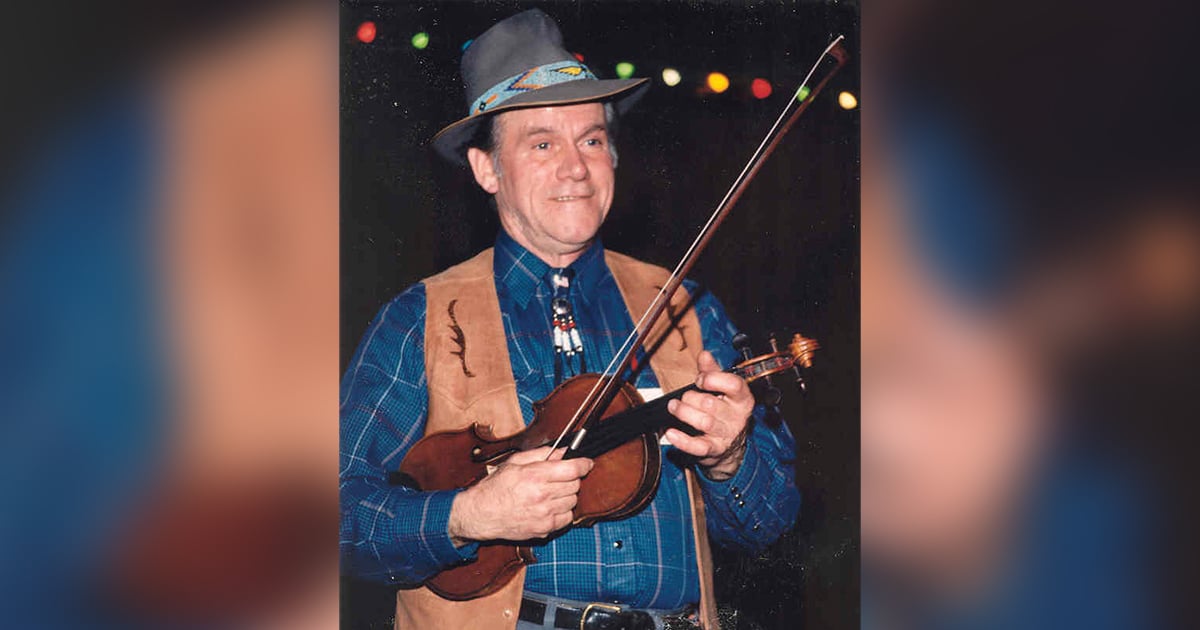
Fiddlin’ Joe Meadows and Sen. Robert Byrd
I consider myself to be just an ordinary soul. I never reached the national spotlight. But as I grow older, I often look back on the many aspects of my life and bluegrass music has been a major influence on how I lived and it has been a source for many accomplishments and treasures. A number of my friends have encouraged me to write about my experiences with the idea that it would make interesting reading for bluegrass fans and musicians—and maybe for just a few other folks as well.
I was born in Washington DC in 1937. In the late 1940’s country music and bluegrass music were quite popular as a result of southerners and other rural populations moving to the area during World War II. I remember as a teenager listening to WCKY from Cincinnati ,OH on my portable radio. I was huddled under my bed covers when I was supposed to be sleeping. WSM from Nashville, TN came in loud and clear and I listened to the Grand Ole Opry. I could also listen to the WWVA Jamboree from Wheeling, WV and the WRVA Richmond VA Old Dominion Barn Dance with as clear a reception as was heard on local radio stations.
Don Owens was a big influence on me and a great promoter of bluegrass music. His disk jockey shows on WGAY, WEAM, and WARL were very popular and helped popularize the music. And he often conveyed interesting information about the artists.
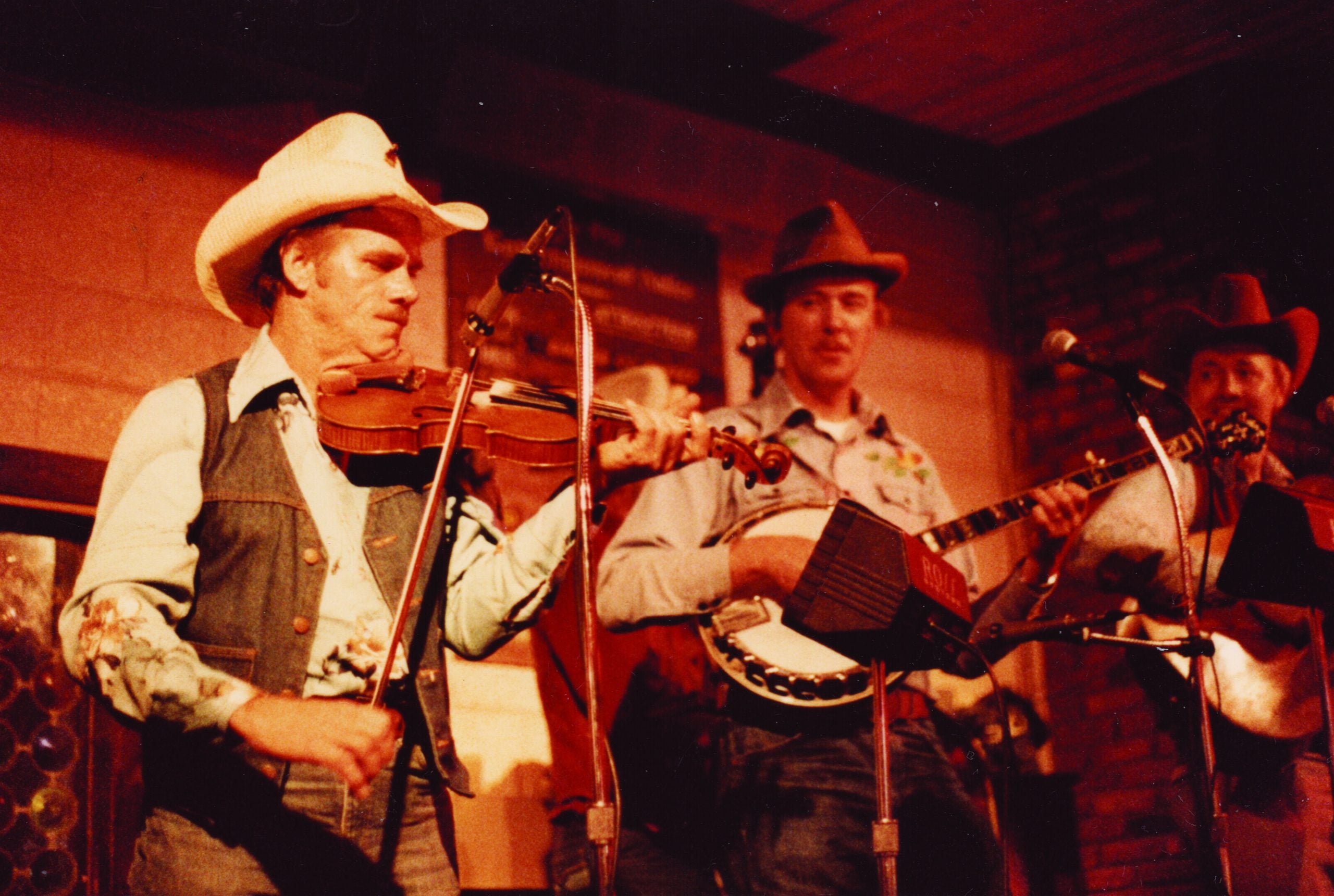
These early days of my childhood instilled a lifetime love of the music and I took up the banjo and played in my first band in 1955. As the years went by I was always involved in music, but my work career usually took precedence. However, in 1975, I returned to music with a passion and formed my first band which I named Appalachian Reign. There were many wonderful musicians in the band over the years—made possible by the many talented musicians who were living in the Washington DC area. Most of them had been road musicians with well-known recording bands of the time. Some of the musicians who played with Appalachian Reign on a regular basis (or on a fill-in or substitute role) were Porter Church on banjo, Chris Warner on both banjo and mandolin, Dick Smith on banjo, Carl Nelson on fiddle, Jeff Wiser on Fiddle, James Bailey on banjo, Bill Torbert on mandolin and Don Stover on banjo.
In the Spring of 1983 I received a phone call on a Sunday morning which changed my life and the destiny of Appalachian Reign. Joe Meadows was on the line and he introduced himself and told me that he had moved to the area to work at the United States Senate. I knew who Joe Meadows was and, in my astonishment, I asked “Joe Meadows, the fiddle player?” He said yes and that he was looking for a local band to play with. I immediately hired him and he played his first gig with us the next Saturday night at our regular Saturday night gig at Shakey’s Pizza Parlor in Rockville MD.
Joe is most likely known to most traditional bluegrass lovers as the fiddle player on 30 sides of the early Stanley Brothers Mercury recordings, including their classic version of “Orange Blossom Special.” In 1956 Joe became a Blue Grass Boy with Bill Monroe and traveled with him along with Joe Stuart for about one year. Joe is also well known for his tenure and recordings with Jim and Jesse.
Lamar Grier had been playing banjo in the band for about one year at the time that Joe joined and I remember his excitement when I told him about Joe playing with us. At first he didn’t believe me and thought I was messing with him. Lamar had played with Bill Monroe for about 3 years beginning in 1965. When Lamar returned home to the Washington area he played with many of the local bands on a regular basis.
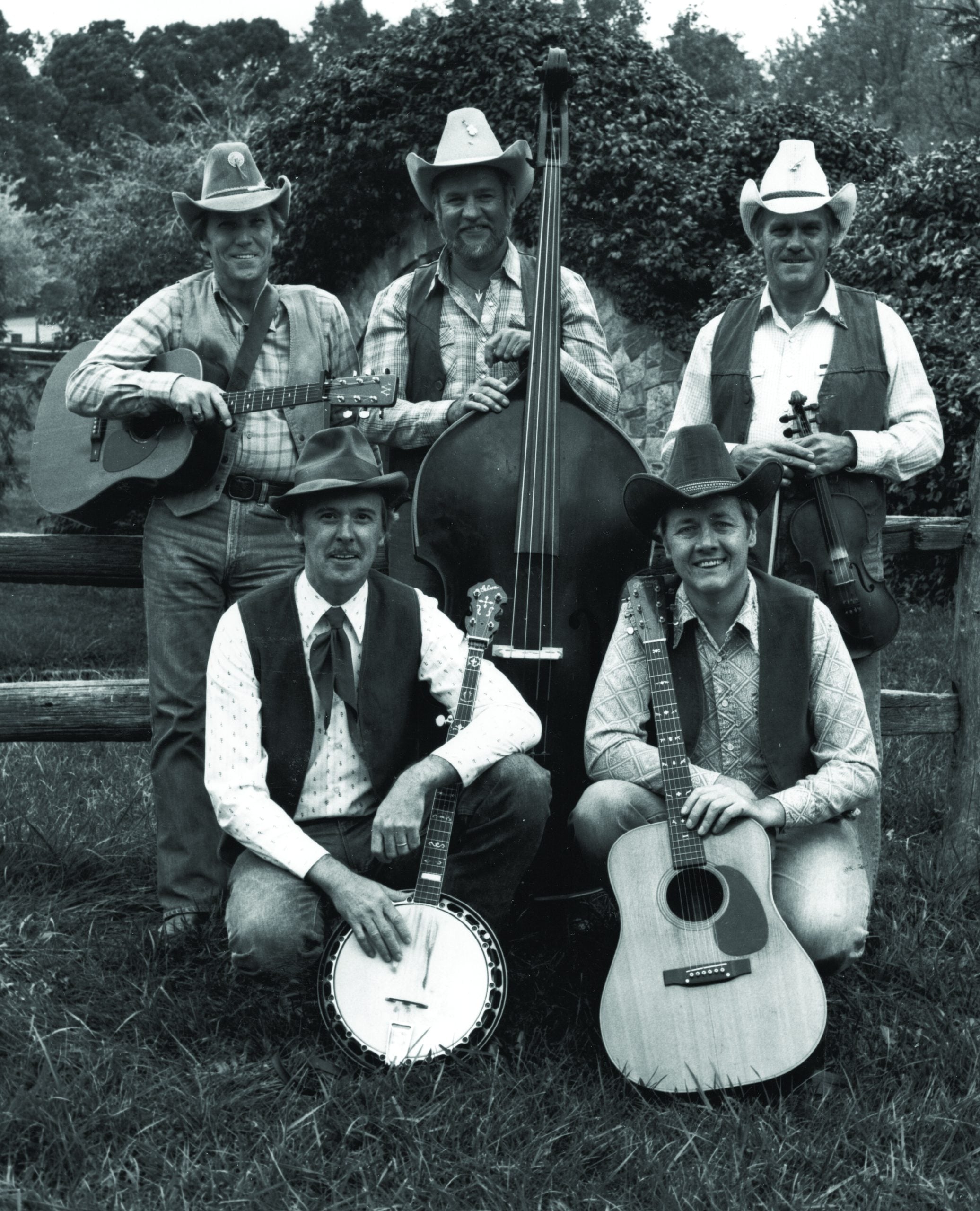
Earl Brown was our bass player and had been singing the tenor parts in the band. But he was having problems with his voice, so I hired Dave Auldridge to play guitar and sing the tenor parts. I was familiar with the many great albums he had recorded with Cliff Waldron and the New Shades of Grass and I had jammed with him on several occasions. I knew that our voices would be a good blend. This makeup of Appalachian Reign became the classic lineup that I had been hoping for since the beginning days of the band.
I had a finished basement in my house and made it available to Joe. He moved in and we became close friends, which led to me learning to play fiddle. Joe told me that Senator Robert Byrd of West Virginia had recruited him to come to Washington and work in the Senate. Joe had been living near his birthplace in West Virginia and was not doing well financially. Senator Byrd convinced him that the move would be good for his financial stability and for retirement benefits. He had known Joe for some time and admired his musicianship. Sen. Byrd was a good fiddler in his own right, but he felt that Joe could help him with his playing.
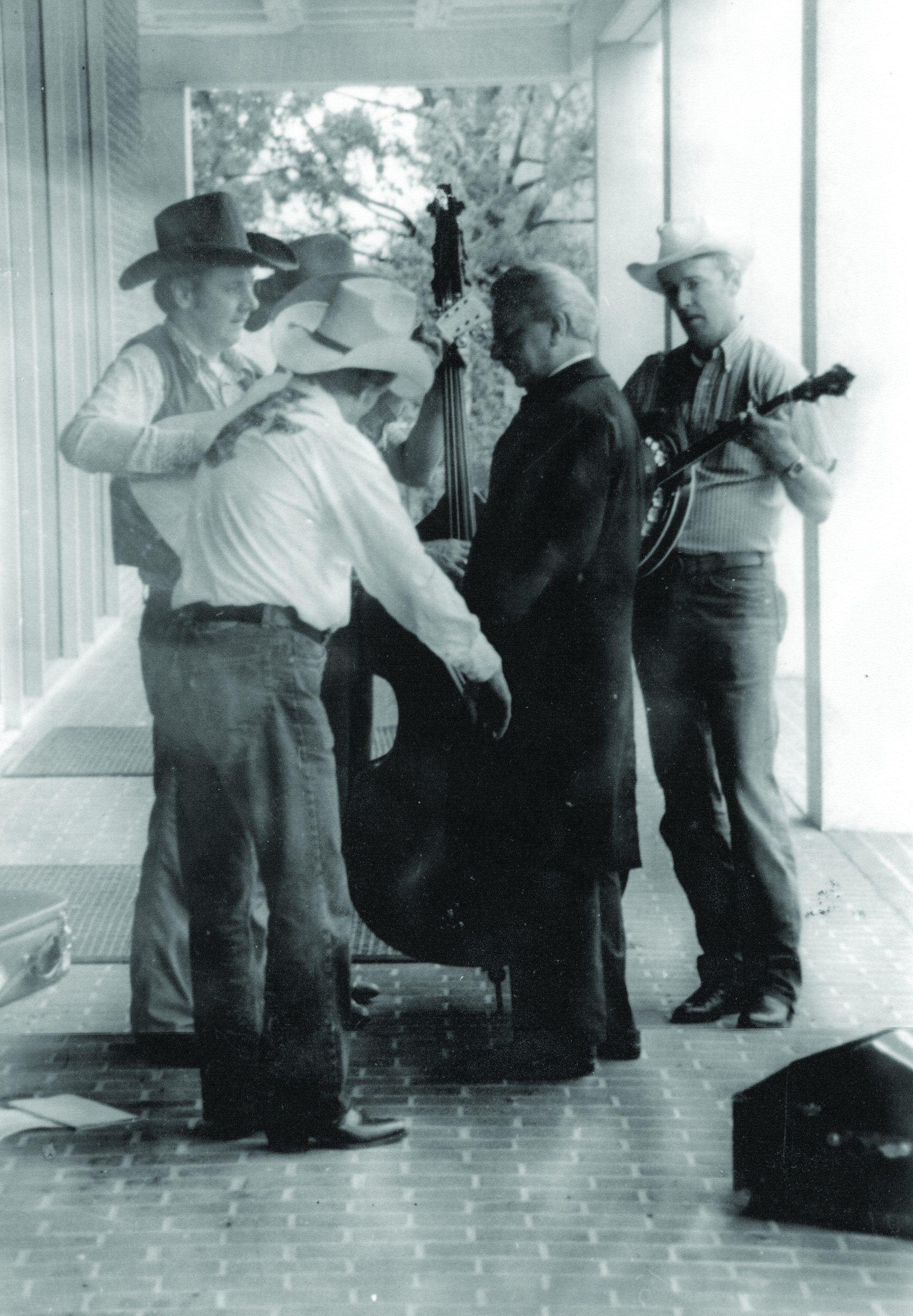
One evening Joe approached the band members and told us that Senator Byrd would like the band to come to his US Capitol office on Sunday afternoon to play music. The first session went very well and this soon turned into a weekly Sunday jam session that continued for about one year. It was a wonderful, exciting and fulfilling time for me and the band. Senator Byrd had previously made an album for County Records titled US Senator Byrd – Mountain Fiddler. I later learned that he had hoped to make a second album.
Senator Byrd would usually play the introduction to the song on his fiddle and then do the vocal. Joe Meadows played backup fiddle to the vocals. The other band members, Lamar, Dave, Earl and myself also provided back up and Lamar played some of the musical breaks. I thought the Senator had a wonderful mountain style of singing and we had some really great moments with the music and getting to know him on a personal basis. During these sessions Joe worked with the Senator on his playing and I could sense that Senator Byrd greatly admired him and appreciated Joe’s help.
On one occasion the Senator came to a band performance at Episcopal High School in Alexandria, VA. Many of the students who boarded there were from West Virginia and they were thrilled to see their Senator at their school. On another occasion—when Lamar was not available—the Senator called James Bailey and pretty much demanded that he come up to the Capitol to play banjo. James had been the banjo player on the Senator’s County LP. As I recall, James had played the night before and protested that he was just too tired to come. But at the Senator’s insistence he made the three-hour trip and arrived at the Capitol in the early afternoon.
On November 7, 1983 there was a bomb explosion which caused extensive damage to the Senator’s Capitol office. Acoustics in the Capitol helped stream our music throughout a large part of the Capitol building and the Capitol Police had told us that tourists often asked about the source of the music. Senator Byrd told us that there was a joke circulating among the US Senators that identified the bomber as the music critic from the Washington Post.
Another interesting event occurred on Sunday, October 23, 1983. The Marine Barracks in Lebanon had been destroyed by a bomb resulting in a large loss of life. When the band arrived at the Capitol on Sunday afternoon Senator Byrd related that he had arrived at the Capitol very early on Sunday and had already appeared on many of the local and national TV news broadcasts. He told us that we should go ahead and have our jam session, but he cautioned us to play our music very softly. He told us that if any of the news outlets heard us they might compare him to Nero who fiddled while Rome was burning! A remarkable man with a sense of humor during this tragic moment.
I feel honored that I came to know Senator Byrd on a personal basis. We had many discussions both political and personal. On one occasion Lamar asked the Senator to explain how he got into politics. He told us—to our surprise and horror—that he had been an organizer for the Ku Klux Klan in his home town. He was not proud of this and told us that at that time in history this was accepted and expected in his area. Within a year he became disillusioned with his membership and resigned and became critical of the organization. One of the members of the Klan told Senator Byrd that he had done a very good job in recruiting members and suggested that he would be a good representative of the people of West Virginia. When he first ran for a congressional seat in the US Congress he had received the endorsement of the Charleston Gazette. But during the campaign it was disclosed that he had been a member of the Klan and the newspaper revoked their endorsement. Senator Byrd told us that he and his wife, Erma, campaigned throughout the state with virtually no campaign funds. At each stop Senator Byrd would make a campaign speech, play his fiddle and raise enough money to buy gas and food for the trip to the next campaign stop. He won that election and never lost an election since that first campaign.
After about one year of weekly music sessions, Senator Byrd told us with deep regret that Barry Poss, the producer of his County album, declined to do another album. He explained to the Senator that he should probably concentrate on his senatorial duties. And he pointed out that his constituents might wonder if he was their Senator or if he was a country music singer doing heart songs and cheating songs. Senator Byrd became more engaged with his Senatorial duties and our days of music with him came to an end. It was a great experience and honor for all of us in the band and left us with many wonderful memories. Getting to know Senator Byrd on a personal basis was very rewarding and provided all of us with an interesting side of the political climate.
Music is such a wonderful gift. One meets interesting people and there is so much enjoyment in playing and performing. Also, research indicates that playing music enhances the health of the brain and may help prevent dementia and memory problems as we grow older. And finally, I am so thankful for what the music has done for me. The wonderful and interesting experiences I have encountered, and the many lifetime friendships I enjoy, are all the result of my passion for bluegrass music.