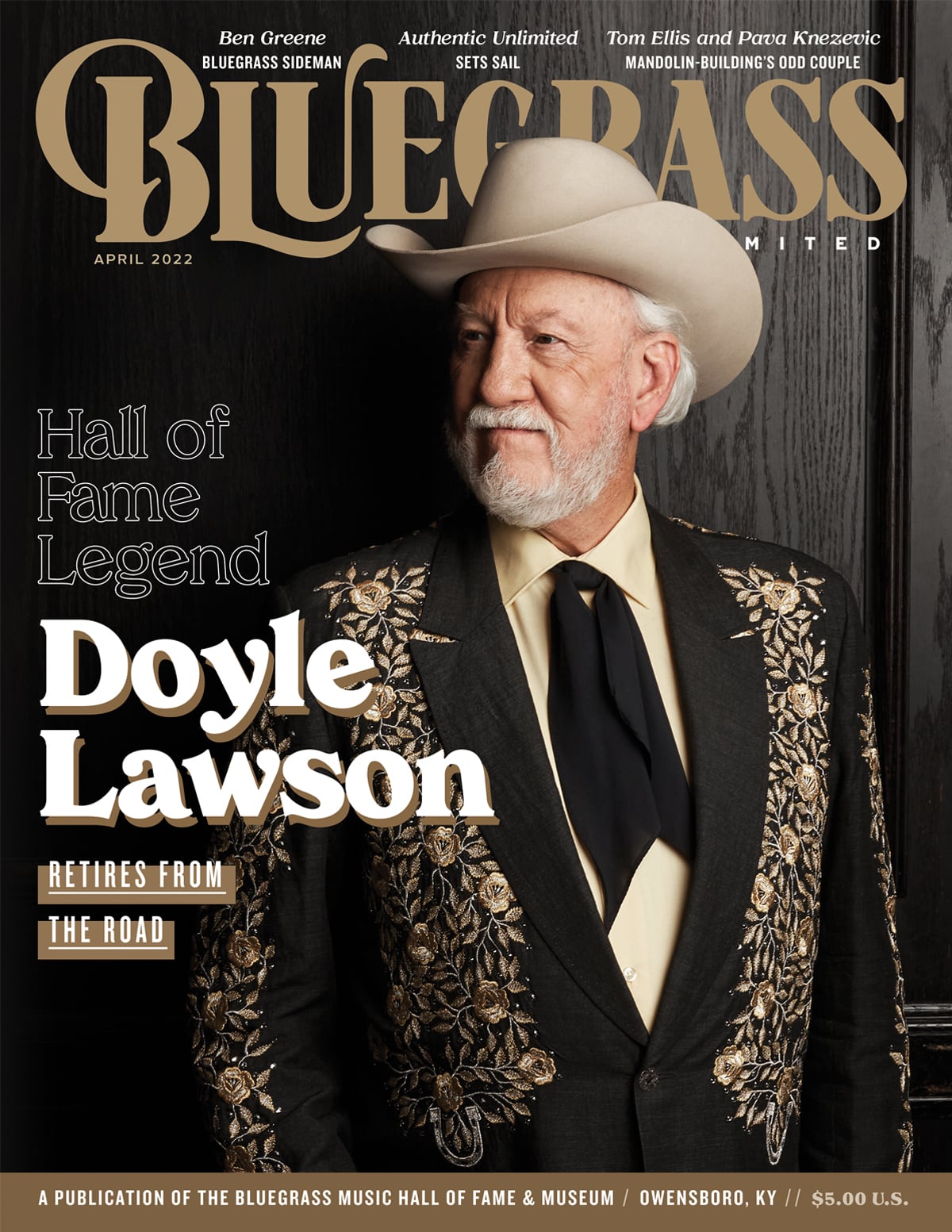
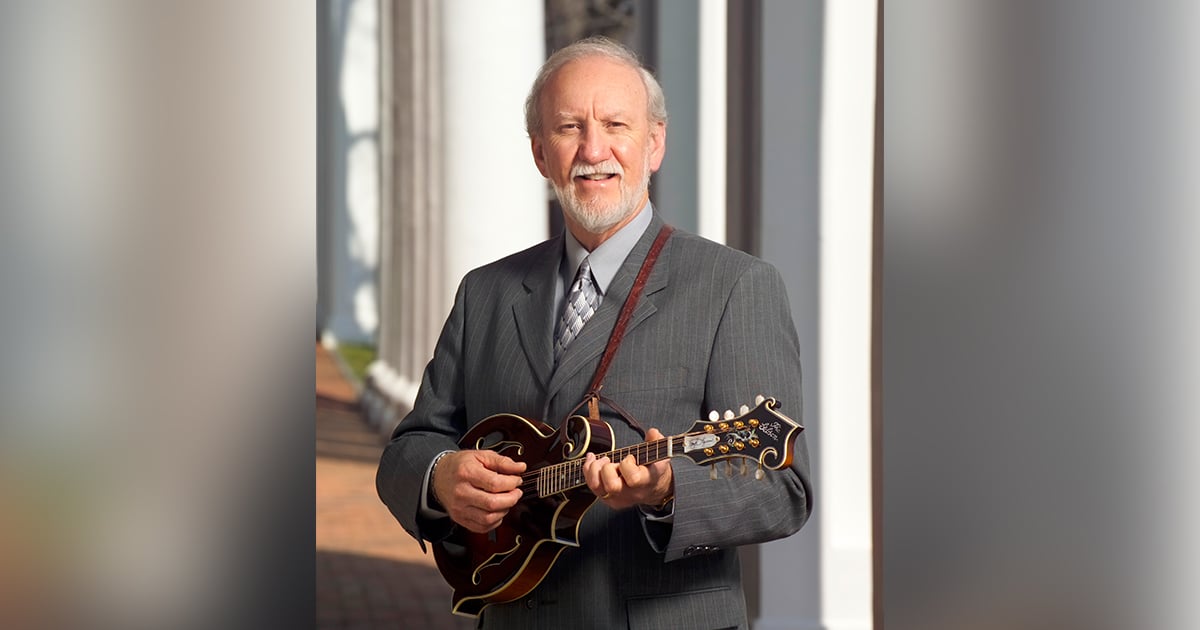
Doyle Lawson
Retires from the Road
Photo by Richard Boyd
The last week of 2021 was an emotional one for IBMA Hall of Fame legend Doyle Lawson. On Christmas Eve one of his best friends, J.D. Crowe passed away. His funeral was scheduled for December 30, the same day that Lawson would be taking his final bow with his band Quicksilver. The night before a special dinner was scheduled in Lawson’s honor. With 512 miles separating the band leader from the funeral home in Lexington, KY to the performance venue in Jekyll Island, GA, a ten-hour road trip between events would have been impossible to work out. Thanks to some friends, a plane was chartered and he was able to say goodbye to the banjo legend and make his last curtain call on stage.
“When the reality set in that December 30th would be the final concert of Doyle Lawson and Quicksilver (DL&Q) … I decided I would go out and do the very best show I could do to the best of my ability, myself and the band,” Doyle Lawson told Bluegrass Unlimited. “When I walked off stage, if I could turn around and look back, if I saw them applauding, smiling, maybe standing on their feet, that would be, for me, the finality of the whole thing. The curtain comes down so to speak and you go off on a good note with a good feeling knowing that you are doing the best that you could and doing something the people still enjoy.
“It worked pretty much the way I wanted it to, however, there are emotions that do come into play that you know that are there, but you’re not prepared for when they get there. It was a very happy time and a somewhat sad time to draw an end to me touring as a band leader or as a musician.”
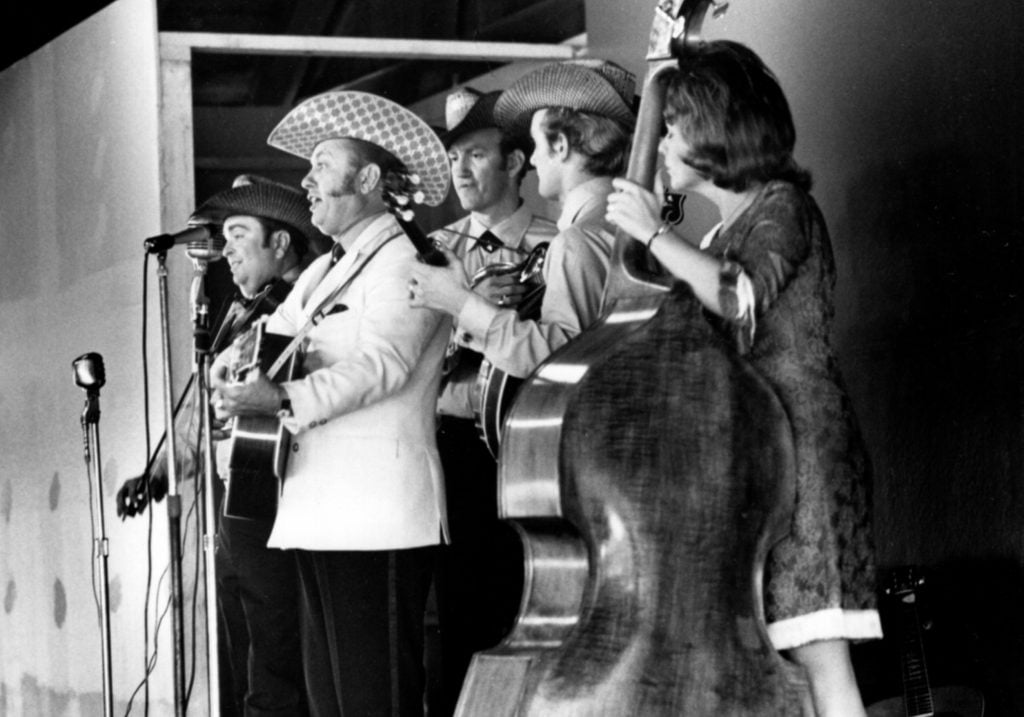
Lawson admits he will miss entertaining the fans. “I love watching people’s faces light up when you do something that touches them and makes them happy. Even to the point when you do a story song that may could have some sadness in it and seeing their reaction to that. Maybe at some point in their life part of that message was a part of their life.”
Originally, Lawson had announced he would be retiring from the road in 2022 for an even 60 years of touring, however, the obstacles presented by scheduling shows in the midst of a pandemic was challenging. Still, the entertainer wanted to end his road career on a high note.
“Time waits for no one. If you’re a musician or you’re an airline pilot, golfer, whatever your occupation is, there’ll come a time when your abilities will slow down as you get older. I think I’m still doing extremely good. In my mind’s eye that’s the time to step away. Look. I’m 77 years old. I’d be fooling myself to think this will go on forever; it won’t. That’s my take on it. I wanted to step away when I still felt good about it, and I did, and I still do. Lord willing that I live, I have no doubt that I’ve got gas left in the tank. Somebody said you sound as good as you ever did. I said, ‘Well, that’s the time to walk way’,” he added with a laugh.
The Early Days
Lawson began the first leg of his long journey in February 1963 when he traveled to Nashville where he got his first professional musicians job playing banjo for Jimmy Martin. “As I look back, I know I wasn’t quite ready for that,” Lawson remembers. “But Jimmy saw something, I guess, that I didn’t, and he pushed me pretty hard and I thought it was unreasonable at the time. Looking back, I realize what he was doing. It takes a lot to understand what it takes to make it all come together, and I probably didn’t at first. ‘I know I’m doing this right. Why is he telling me this?’ Once I got away from Jimmy … I had more time to decipher what he was trying to tell me. I realized he was right.
“My role was to make a feeble attempt trying to play J.D. Crowe style banjo on Jimmy’s records. Of course, I was and still and always will be a fan of J.D.’s picking. It wasn’t hard for me to try to get after that. The hard part was to try to duplicate it. You can get close, but there’s only one.”
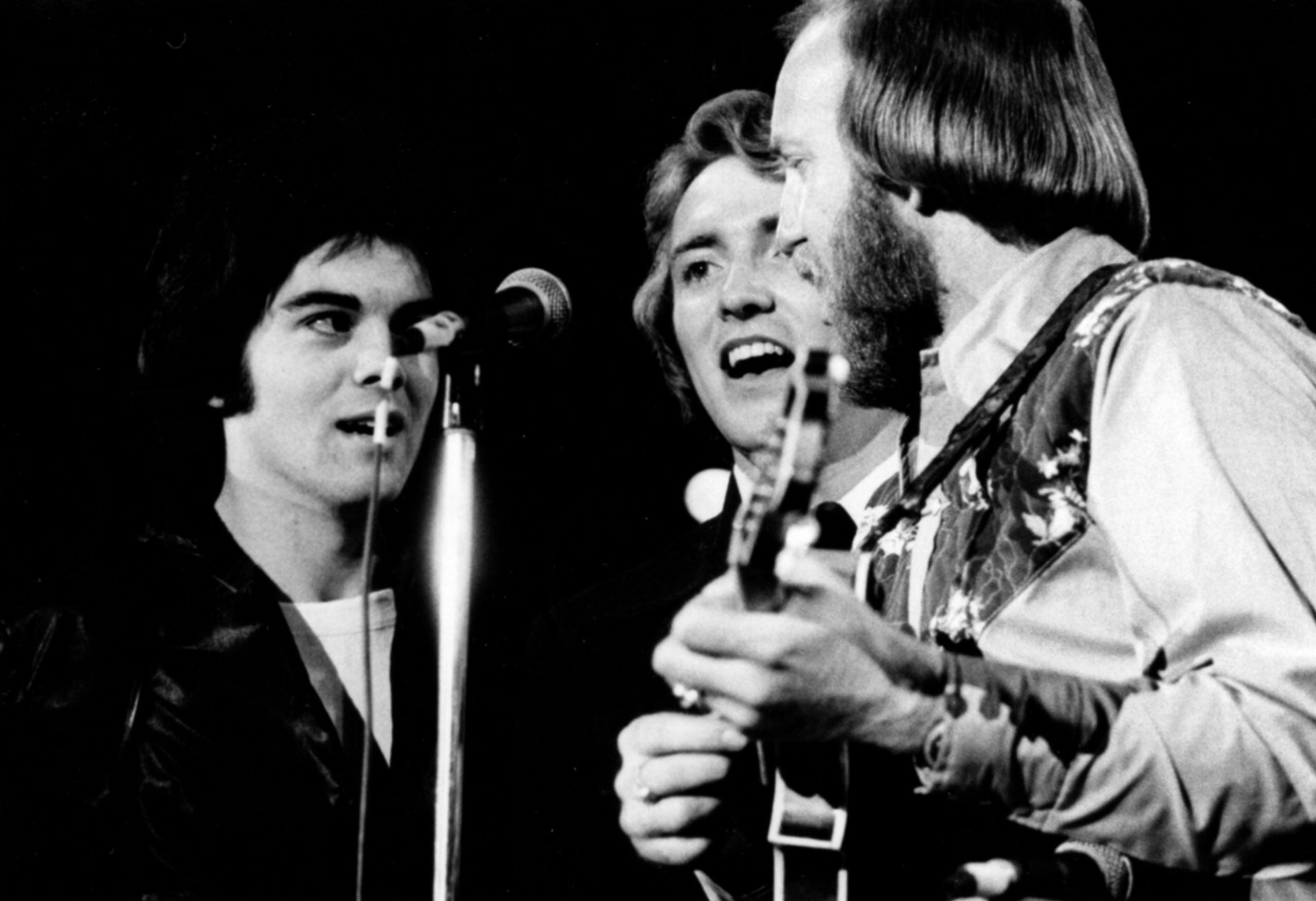
Lawson got a lesson first-hand when he hooked up with his banjo idol in 1966 in Lexington, KY. “Crowe and I thought about the music alike. We had that sense of music instilled in us, but bottom line is we thought alike in the ways of stepping outside the perimeters of traditional bluegrass songs and looking for things that we could adapt to bluegrass style. A case in point is ‘You Can Have Her.’ That was a song I did with two cousins locally before I left East Tennessee, and it was a rock song by a fellow named Roy Hamilton. We made a little trio out of it. J.D. and I wanted to do concerts, and by then, the festivals had started to ramp up. He was more seasoned than I was. He said we can’t go out there [on the same show] and do Flatt & Scruggs, and Monroe [covers]. It made sense to me. We started looking for other things, and I came up with ‘You Can Have Her.’ J.D. loved Chuck Berry, Fats Domino, and Jerry Lee Lewis and Little Richard and 50s rock, as I did. He mentioned ‘I’m Walking’ by Fats Domino, so we started working out an arrangement. We wanted to get on the road as much as we could, but we knew that there was no future in going out and trying to do songs that the acts that were to be on the same day possibly would be there too. That’s disrespectful in my opinion.”
Lawson respected Crowe’s approach to leading a band. “When I worked with J.D. there was no question in my mind whose band it was. It was J.D.’s., and J.D. led in a quiet voice. He was not much for words, but he led by example. The good thing about J.D., whenever you picked with him, his banjo playing was so strong that he drew you to him and what he was doing. That was the beautiful part. If you could step up and get in sync with J.D., you were a winner. Even though it was his band, we worked a lot together as far as ideas of songs and stuff like that. I’m glad I had the privilege of working in his band overall for a little over five years.”
On September 1, 1971, Lawson began playing with The Country Gentlemen where he would remain until March of 1979. “When I got there, Bill Emerson had returned as the banjo player. We had a kinship musically. We felt and thought about it the same way during a performance. There might be a little riff on stage of a music feel that we would do, and it would match each other and we had never rehearsed it. We were so in tuned musically as we performed live. The only thing I had to do when I went to The Country Gentlemen was study Charlie’s [Waller] vocals, how he turned his words because the accents were different obviously. I studied his vocal inflection, how he turned his words. My job was to step in and adapt to what was there. It was actually pretty easy to do.”
After eight years there, Lawson was ready to embark on his own. “I think by the time I stepped away from the Gentlemen, I was ready for a sole leadership role. I was nervous to say the least, but I felt like I had the tools to do it with. Would what I had to offer be acceptable by the people? That’s the bottom line. If they don’t like it, you better go back to the drawing board and try to figure out what they do like.”
The Start for DL&Q
The odyssey with Lawson and his band began in April of 1979 when he formed the group he initially named, Doyle Lawson & Foxfire. He didn’t want any musical obstacles placed in the way. “I didn’t want to be put into a corner where I couldn’t experiment with something. If we want to do a contemporary type song, let’s do it. If we want to do straight down the middle hard-driving traditional bluegrass, let’s do it. Whatever we feel.
“The biggest thing that I wanted to have was a quartet like the [gospel] quartet that my dad sang with when I was a kid. Other than that, I had no idea. I knew that I needed to try it by myself. I kept thinking about what would it be like if I started from the ground up and see where it took me.”
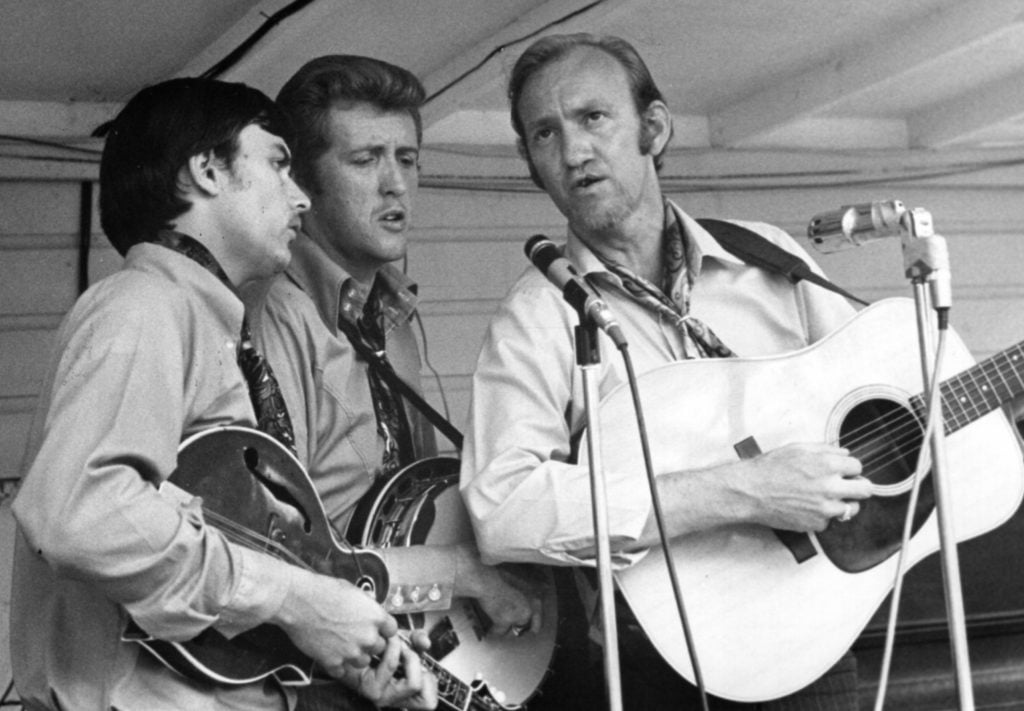
The original quartet for DL&Q was Lawson, Lou Reid, Jimmy Haley, and Terry Baucom, who was first with the band from 1979-1985 (He returned 2003-2007). “I had been doing some fill in work on the road with a band called Southbound that featured Jimmy Haley and Lou Reid,” Baucom recalls. “Doyle had been producing a record for Southbound, so he became very familiar with the talent of Jimmy and Lou. When there was one more spot in the band to fill, they recommended me to Doyle and it worked out well. We never went out and performed as “Foxfire.” Early on, when we thought “Foxfire” would be the name of the band, we were contacted by two or three bands already using that name, so soon after, we agreed on “Quicksilver.”
“We never set out to create a particular sound,” Baucom says. “Each band member just played and sang and the combination of the four of us—and our chemistry together—laid the ground work for the signature Quicksilver sound. Before performing publicly or recording together, we rehearsed intensely, many hours a day for weeks. When we did start performing shows and festivals and released the first record on Sugar Hill Records, it made a huge impact on the bluegrass world—and I am thankful to have been there at the start with Doyle.”
Through more than forty years, Lawson was able to maintain the basic premise of the DL&Q sound. “It’s only changed as much as I wanted it to,” Lawson says. “You’ve got to understand that God made every one of us different. There’s no two people exactly alike. It would be foolish for me to expect anybody that I brought in after somebody had been here to be exactly like them. That’s crazy. The bottom line is I don’t change for them; they change for me just as I did when I played banjo and mandolin for Jimmy Martin. When I was with The Country Gentlemen for eight years, I adapted to The Country Gentlemen. It should be that way. Nobody should expect somebody to change for them unless it’s their band. I’ve always said I set my standards high, and if anybody has a problem with my standards, I don’t lower mine; they need to raise theirs.”
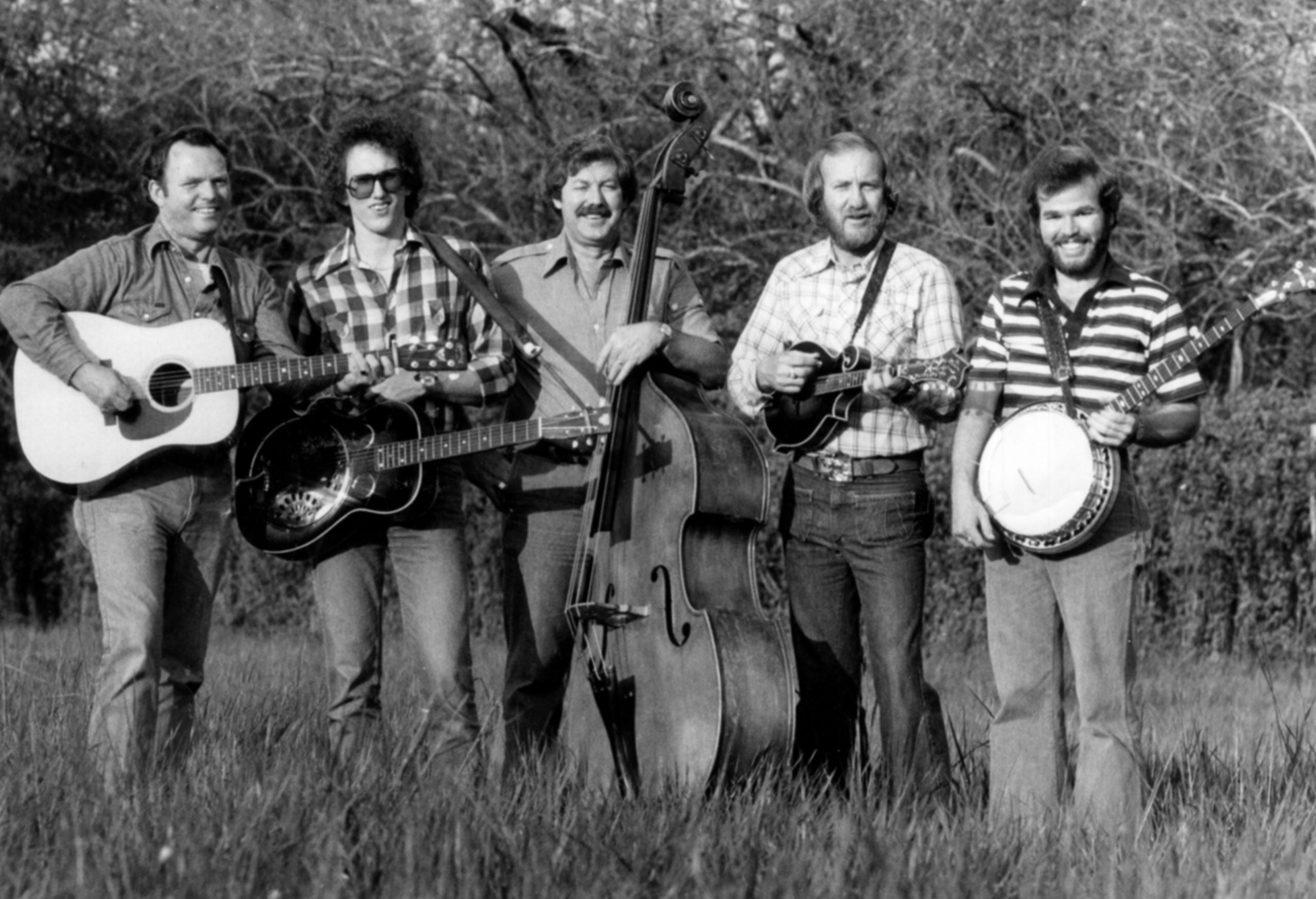
Six-time IBMA Male Vocalist of the Year Russell Moore of Russell Moore & IIIrd Tyme Out was a sideman with DL&Q from 1985 until the start of his own band in 1991. “I was performing in a band called Southern Connection based in Texas along with Scott Vestal, Curtis Vestal and Marc Keller,” Moore tells BU. “We had played a show with DL&Q just outside of Cleveland, TX (we opened the show for them) around 1981. Afterwards, we moved to Asheville, NC in 1984. After relocating to NC, we opened a show for DL&Q at, what was then called, Bill Stanley’s BBQ in Asheville. After we had been performing in and around the Asheville area for about eleven months, Doyle called and asked myself, Scott and Curtis to become members of Quicksilver. We performed our first show with Doyle in early 1985.
“To me, Doyle was trying to bridge gaps between traditional bluegrass and the evolving sounds of bluegrass of the time (1979). I think he was also ‘looking outside the box’ because of the Urban Cowboy craze and popularity of country music at the time, and you can hear this in some of the song selections and arrangements they came up with … just my opinion. And, of course, he definitely wanted a strong gospel influence in the band’s music, which has been a mainstay in Doyle Lawson & Quicksilver’s music, recordings and performances since day one.”
“Doyle knew what he was looking for out of us with instrumentation and vocals and we did our best to provide that to him,” Moore adds. “Many times he would have us come to the front of the bus, while he was driving, and we would rehearse some a cappella songs that he was thinking about recording. He was fun, and we shared a lot of laughs throughout my tenure there, but he would be hard when he felt like he needed to be. We didn’t always agree but, bottom line, it was his band and he was the leader. One thing I took away from my experience there is that hard work pays off. Not only in the tightness of a band’s music, but how it’s presented to the audience, which incorporates how you’re dressed. I remember Doyle quoting his dad one time saying “If a job is worth doing, it’s worth doing well” and he’s had that belief as long as I’ve known him.”
The Final DL&Q Recording
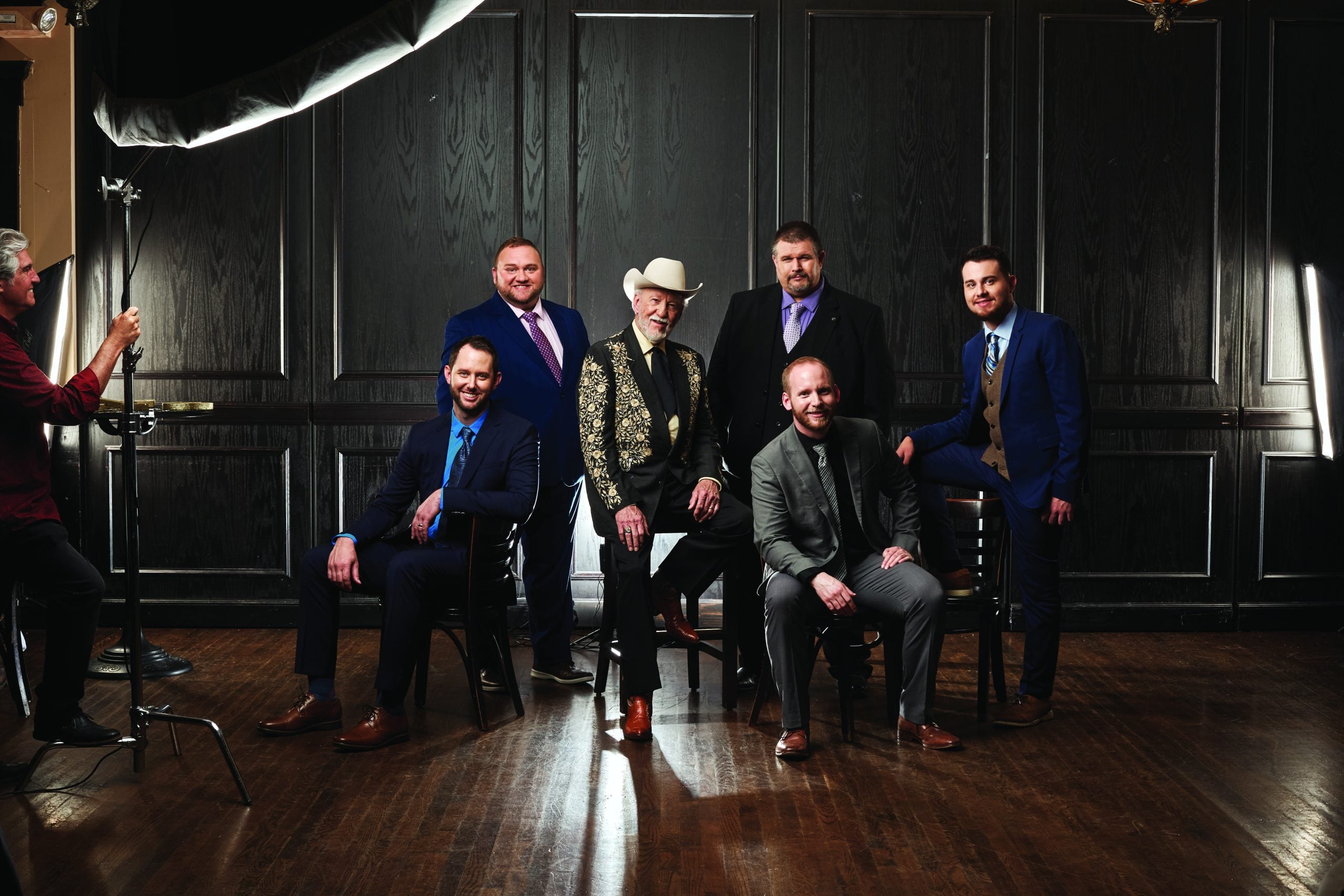
Lawson assembled his Quicksilver band—Ben James, Matt Flake, Eli Johnston, Jerry Cole, and Stephen Burwell—to record DL&Q’s final album, Roundtable. The 12-track disc includes three songs honing in on the high lonesome sound—“I’ll Take The Lonesome Every Time,” “You Ain’t Heard Lonesome Yet,” and “Long Time Lonesome.”
“Before it was called high lonesome, it was high lonesome,” Lawson says of his early days hearing the sound. “I didn’t know to call it high lonesome when I was a kid, but I knew one thing … [there was] something about the way Bill [Monroe] played and his voice, and then he’d put all his people around him. When I heard him for the first time, it grabbed a hold of me because it was not like any other stuff that I was hearing.
“For my kind of music there has to be a play on people’s emotions. Some of them are upbeat and happy. You want to make them feel that way. Then, the other is a more somber side of life, the lonesome feeling, the loss of a love or the loss of a loved one, or whatever the case may be.”
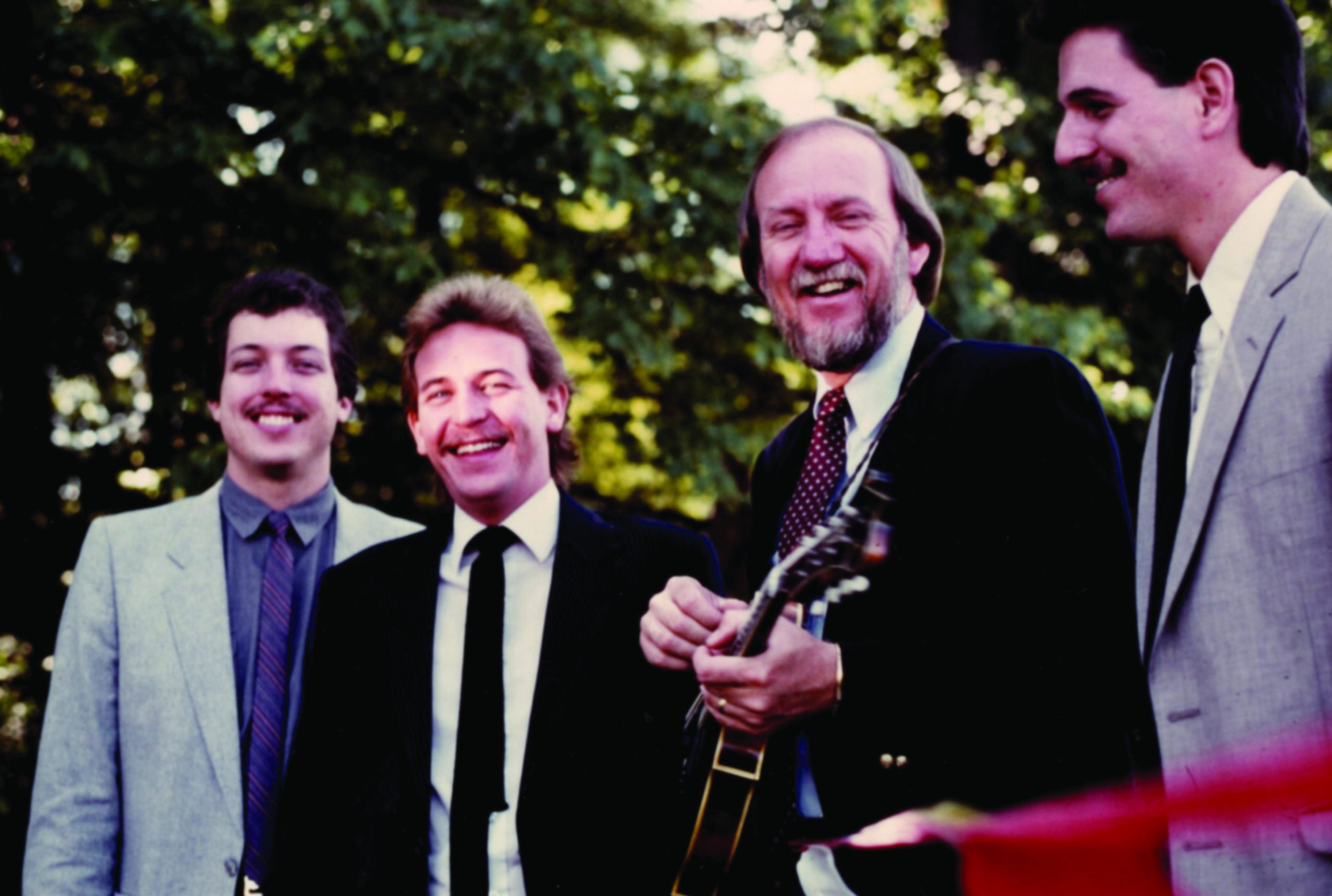
In searching for songs for the album, Lawson made a concentrated effort to find material that his various singers could relate. “I’ve found over the years that the worst mistake you could ever do is try to get an artist or a vocalist to sing a song that he can’t get into, that he has no feel for. If it doesn’t touch him in the way that you think it would, find something that he/she likes. Don’t try to make an artist do something that they don’t have a heart for. I know going all the way back to The Country Gentlemen when I was gathering songs…my first thought was how can I hear Charlie Waller do this song. That’s first and foremost. If he told me he didn’t feel it, that was the end of it. I’d find one that he did.”
Lawson also wanted to spread the lead vocals around to showcase the rest of the talents in his band. “They’re very talented. I feel like I’m doing me and them a disservice by not utilizing that. Put them out there and let them go!
“I know my role. I try to be a good leader. I’d rather be a good leader than a star any day. For me it’s about that end product whether or not you’re on a stage doing a concert. When you walk off after that last song and you feel good about what you did and the people enjoyed it, or when you get done with a recording, and you listened to it [and say], ‘Yeah, I’m pretty happy with that.’ That’s what I look for. It’s not about the star status. I just never put that much stock in that for me. We’re all entitled to the way we look at things, but for me, I’d rather be the guy saying, ‘I want you to do this’ as opposed to the guy saying, ‘What do you want me to do?’”
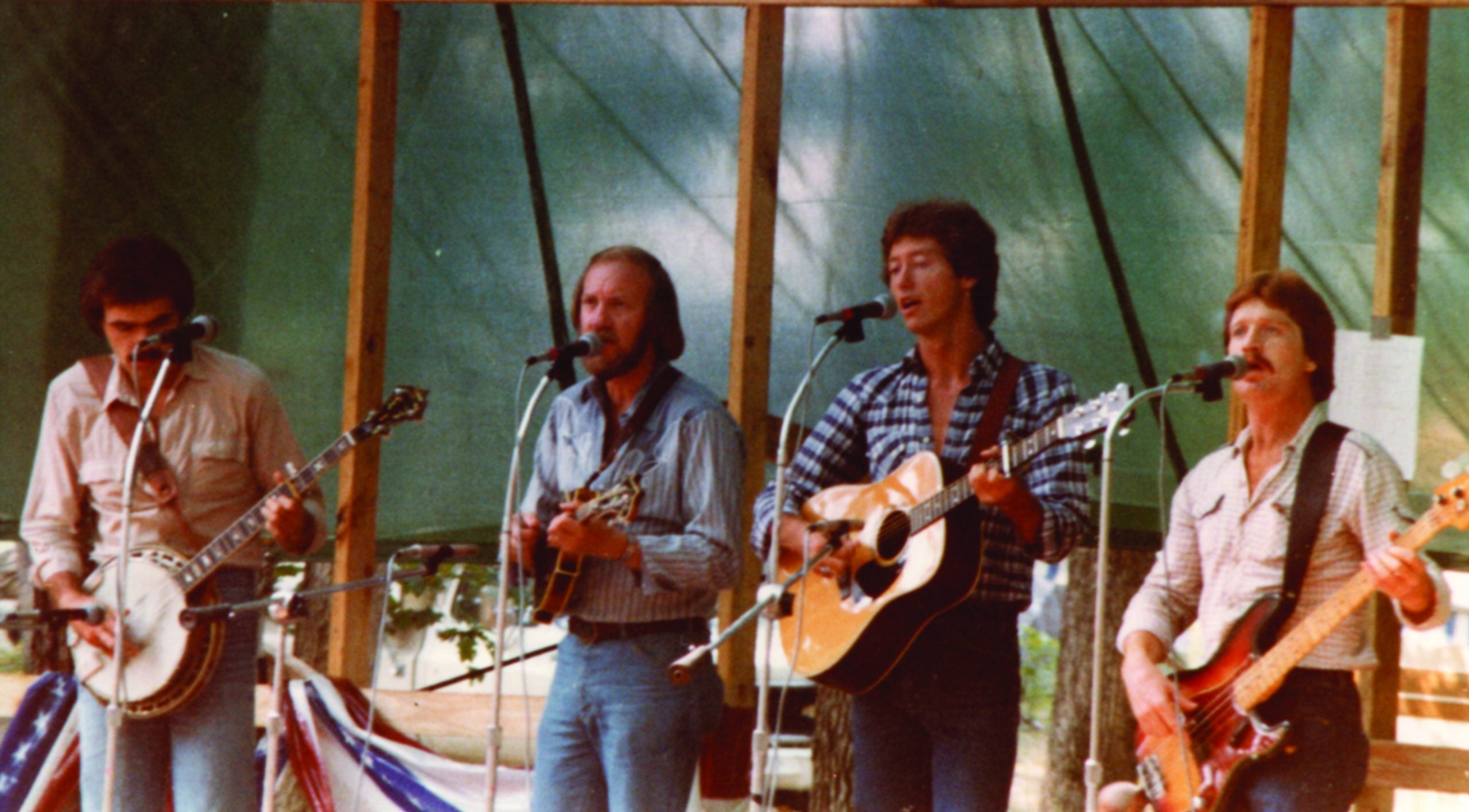
Recording gospel songs always has been a mainstay of DL&Q, and the group’s Roundtable album is no exception. It includes the final cut “A Little More Faith In Jesus.” “I grew up with my dad singing in an a cappella quartet. I would watch and listen when they would practice their numbers and listen to the different harmonies with the quartet being more or less the style I’ve carried with me. I wanted it to expand that a little bit more.”
For Lawson, singing gospel music is more than a musical experience; it’s tied deeply into roots of his Christian belief. “They were having a revival at the little church that we were attending,” Lawson remembers. “I realized that I needed to have Jesus as my Savior, and I accepted Him at eight years old. I can remember almost the exact spot where I went to the altar and prayed and asked Him to live in my heart and my life. Over my adult years, I got away from living like I should, and in 1985 I got that all straightened out. I know that God is real. I know my faith is real. Whatever happens in this world while I’m still here, when it’s all over with, I’m a winner either way,” he adds, laughing.
What Lies Ahead
Over the course of his illustrious career, Lawson has taken home a wagon full of awards. The multi-Grammy nominated entertainer was named the 2006 award recipient for the National Heritage Fellowship National Endowment For The Arts. He and Quicksilver won the IBMA’s “Vocal Group of the Year” eight years including a seven-year rein from 2001-2007. He picked up the IBMA “Album of the Year” for Live in Prague, Czech Republic, IBMA “Song of the Year” a couple of times for “He Lives In Me,” and “Blue Train (of the Heartbreak Line).” He also brought home “Gospel Recorded Performance of the Year” for “He Lives In Me,” “The Hand Made Cross,” “Winding Through Life,” “Praise His Name,” and “There’s a Light Guiding Me.” DL&Q earned seven Grammy nods for “Best Bluegrass Gospel Album” (Live in Prague, Czech Republic, Burden Bearer, In Session, The Hard Game of Love, Just Over In Heaven, Winding Through Life, and There’s A Light Guiding Me), and four Dove nominations for “Best Bluegrass Gospel Album” (Light On My Feet Ready to Fly, Help Is On the Way, Just Over In Heaven, and Kept & Protected). The title cut, “Help Is On The Way” received a Dove nomination for “Best Bluegrass Gospel Song.” Lawson received an honorary PhD of Fine Arts from King College in 2007.
“I would have never ever imagined where my career would take me,” Lawson humbly states. “I’ve always told people. All I wanted to do really was just be on stage with a band playing bluegrass music. That was my ultimate goal.”
Not only has Lawson earned bluegrass industry accolades and the love of the fans but also the respect of his peers. “Doyle has been an asset to every band he’s ever been involved with and worked hard to fill his position in them whether it was with Jimmy Martin, J.D. Crowe (Kentucky Mountain Boys), the Country Gentlemen…or whoever,” Russell Moore says. “As a sideman or band leader, he worked hard to fulfill his role. He has helped produce some of the best music known to this genre for 60 years, much of it coming from his own band. He has a tireless work ethic and is constantly searching for new material to record, and I don’t see that stopping any time soon because he has stated that he will continue to be involved in bluegrass music through producing other artists and other things. To be honest, at this point, I don’t believe Doyle’s legacy has been completely written.”
“From his work with Jimmy Martin, JD Crowe, The Country Gentlemen and almost 43 years of Doyle Lawson & Quicksilver, his work will stand the test of time,” says Terry Baucom. “The younger artists he gave opportunities to will continue his legacy. And his work as a producer will have the Doyle Lawson stamp on it. For sure, bluegrass and gospel music had the bar raised higher because of what Doyle Lawson has contributed to it.”
While Lawson’s touring days are over, music means too much to him to simply hang it up altogether. He has produced albums for a variety of artists including three projects with Donna Ulisse. “I probably enjoy producing other people more than me because I’m on both sides of the glass,” Lawson says. “I’m a pretty hands-on guy, and I like knowing what’s going on at all times. I’ve got a definite idea about I want Doyle Lawson and Quicksilver to sound. “It’s a whole different aspect. I like to know that I can sit in the producer’s chair and not have to worry about going out and laying a track, putting a guitar part here or whatever the case maybe. I get to play the role as producer and work with the artists who are out in the studio. It’s a lot of fun.”
No reunion concerts are in the future for DL&Q but he doesn’t rule out popping in for a few appearances on stage. “I don’t want to be one of those guys that’s together again for the 14th time for the last time. I don’t want to do that. I may strap on a mandolin some time or another and step on stage with somebody. I don’t know. I may not. For right now, I’m going to cool my heels and see what develops.”