Celebrating Earl Scruggs at 100
The Earl Scruggs Center Launches a New Exhibit in 2024
January 6th, 2024, will mark 100 years since the birth of banjo legend Earl Scruggs. This milestone provides all bluegrass music fans a reason to look back and remember Earl’s contribution to the banjo and to bluegrass. The Earl Scruggs Center in Shelby, North Carolina, is making the most of this historic occasion by launching a new exhibit titled “Born of the Broad River: The Life and Career of Earl Scruggs In His Own Words 1924-1945.”
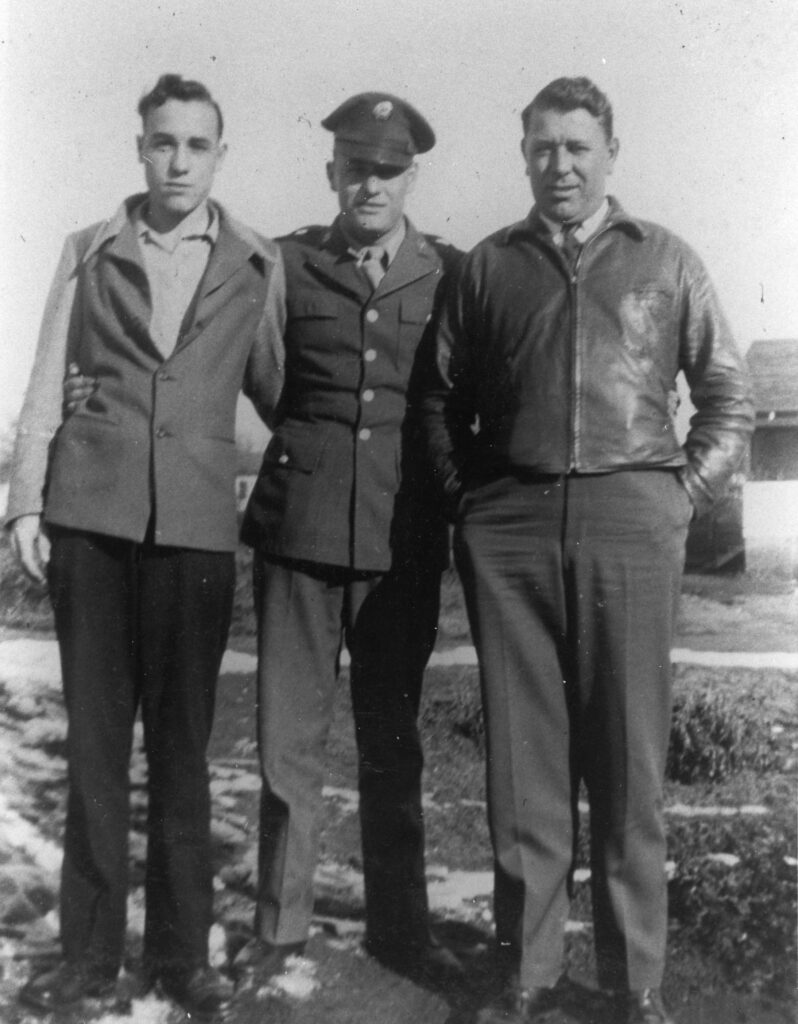
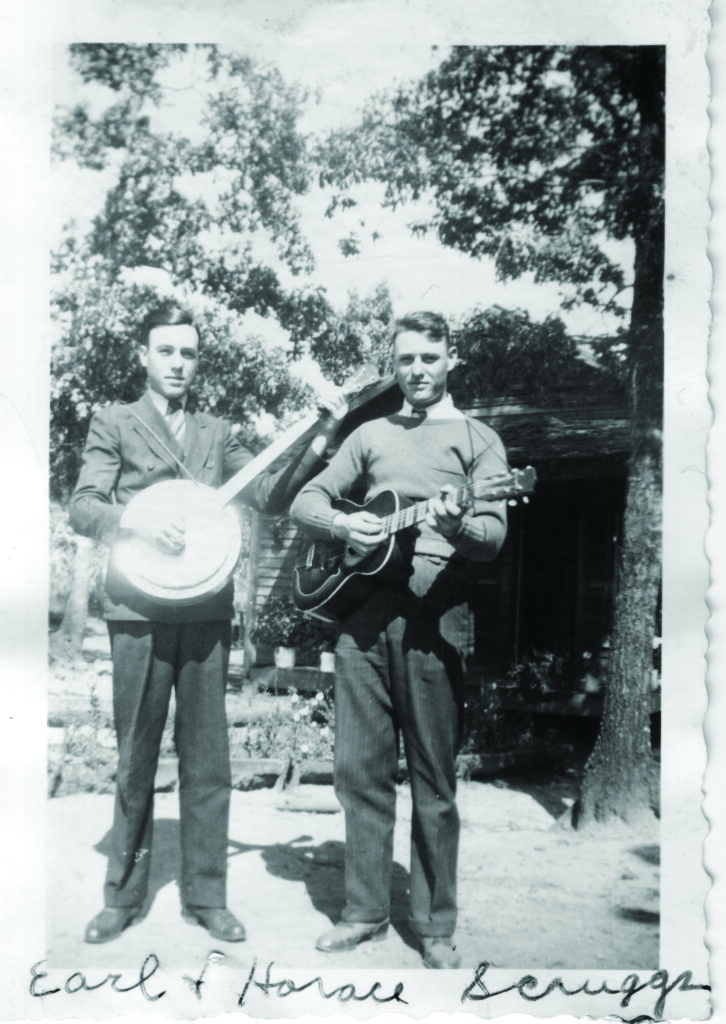
Most of the information that has been written about Earl focuses on the years he was an active musician in the public’s eye—starting with Bill Monroe, moving on to the Flatt & Scruggs years, then the Earl Scruggs Revue and later to his years performing and recording as Earl Scruggs and Friends. This new exhibit highlights the years of Earl’s life before he became a household name to country and bluegrass music fans.
The Earl Scruggs Center’s Assistant Director, Zach Dressel, explained that in 2022 there was a large donation to the Center from the Scruggs family. Among the items donated they discovered a 17,000 word document written by Earl of his personal remembrances. Zach said that much of what Earl had written in this document had not ever been part of the public conversation—things about Earl’s life that had never been mentioned anywhere else. He stated, “We used this material to inform the new exhibit to tell Earl’s story in a new way.” The information presented in the exhibit starts with Earl’s birth and ends when Earl accepted the job with Bill Monroe. Without giving away a lot of detail about the specific information in the exhibit, Zach said that in the donated document Earl talks a lot about his childhood and what it was like day-to-day. He also talks about the impact of his local church and the local music scene in and around his hometown. Zach indicated that while some of the information about the music and musicians that Earl was exposed to in his youth is known, some pieces are new. The goal of this exhibit is to help viewers learn more about the early part of Earl’s life and to help the public understand what early influences helped make Earl the musician that he later became.
Here is a very small excerpt from Earl’s writing that the Center has shared with Bluegrass Unlimited:
Impact of the Radio
“The most wonderful luxury in my childhood days was the radio. Here’s where my dreams of furthering my dreams of music (my first love) exceeded anything yet to come. Even though I must have been 14 years old before our first little mail order battery radio was purchased, I had been walking to Mrs. McKee’s house. Mr. Burt Hamrick and my Uncle Sidney Ruppe had one. Mrs. McKee lived nearest to us, so I suppose I visited there most often to listen to the radio.
“Oh, man what a joy it was when I first heard the Grand Ole Opry. Later W.L.S. National Barndance from Chicago not to mention Lum and Abner, Amos and Andy, the Lone Ranger and other shows. But the live music really gave me something to wonder about, think about as I plowed the farm with Old Maude, our mule, cut the firewood, milked the cows. Whatever I was doing the tunes and songs I heard continued over and over in my head. I would even pretend I was participating and worked.
“I was born during the Depression and music played a big part in our home. I also was exposed to the very early age of commercial recordings and radio. I remember so well the joy I received hearing (my favorite singing and playing) The original Carter Family, Maybelle, Sarah and A.P. I would not attempt to put a figure of hours I enjoyed the Carter Family…I not only enjoyed their singing but the most beautiful guitar playing and auto harp of Maybelle Carter. I listened so close, since I was so fascinated, to the guitar playing of Maybelle.”
In addition to printed information based on the newly discovered document, the exhibit will include objects from Earl’s childhood in Flint Hill and Shelby, North Carolina. It will also include artifacts from some of the musicians that Earl heard as a kid. Uncle Dave Macon’s travel trunk and banjo (which Earl later owned), Arthur Smith’s fiddle and Mother Maybelle Carter’s autoharp are among those items.
In putting together the exhibit, Zach Dressel—who never met Earl Scruggs—relied on the help of people who knew Earl. The co-curator for this exhibit was Tony Trischka. Zach said, “Tony helped match the tone of the exhibit with how Earl was as a person.”
A section of this exhibit will also highlight banjo players who Earl influenced. Artifacts in this regard will include ten banjos that have been loaned to the Center from the collections of Béla Fleck, Tony Trischka, Alison Brown, John Hartford, Kristin Scott Benson and others. Material provided by these modern players will help explain Earl’s legacy and what effect he had on the new generations of musicians.
The new exhibit will open at the Earl Scruggs Center—located in Shelby, North Carolina—on the 13th of January 2024. The opening of the exhibit will coincide with the Center’s annual benefit concert, featuring Tony Trischka, The Travelin’ McCourys, special guest Jerry Douglas and more. The exhibit grand opening will be part of the concert after-party. Zach promises that even the most ardent Earl Scruggs fan will leave this exhibit learning things about Earl that they never knew.
To help the Earl Scruggs Center, and Bluegrass Unlimited subscribers, celebrate Earl Scruggs at 100, we will be running more stories this year based on information from the Earl Scruggs Center’s new exhibit. So, look forward to learning more about Earl this year in issues to come.