A New Ingredient
Bluegrass is a genre of music that’s been evolving since it first came out of the oven. The original recipe created by master chef Bill Monroe had five cornerstone ingredients: mandolin, guitar, fiddle, banjo, and bass. When Josh Graves joined Lester Flatt and Earl Scruggs in the Foggy Mountain Boys in 1955, he introduced a new ingredient to the kitchen with the bluesy instrumental voice of his Dobro and changed the sound of bluegrass music.
Early Years
Born as Burkett Howard Graves on September 27, 1925, in Tellico Plains, Tennessee, Josh Graves was an innovator and master of the resonator guitar. Inducted into the Bluegrass Hall of Fame in 1997, Graves inspired generations of Dobro players to add their own spice to the bluegrass recipe.
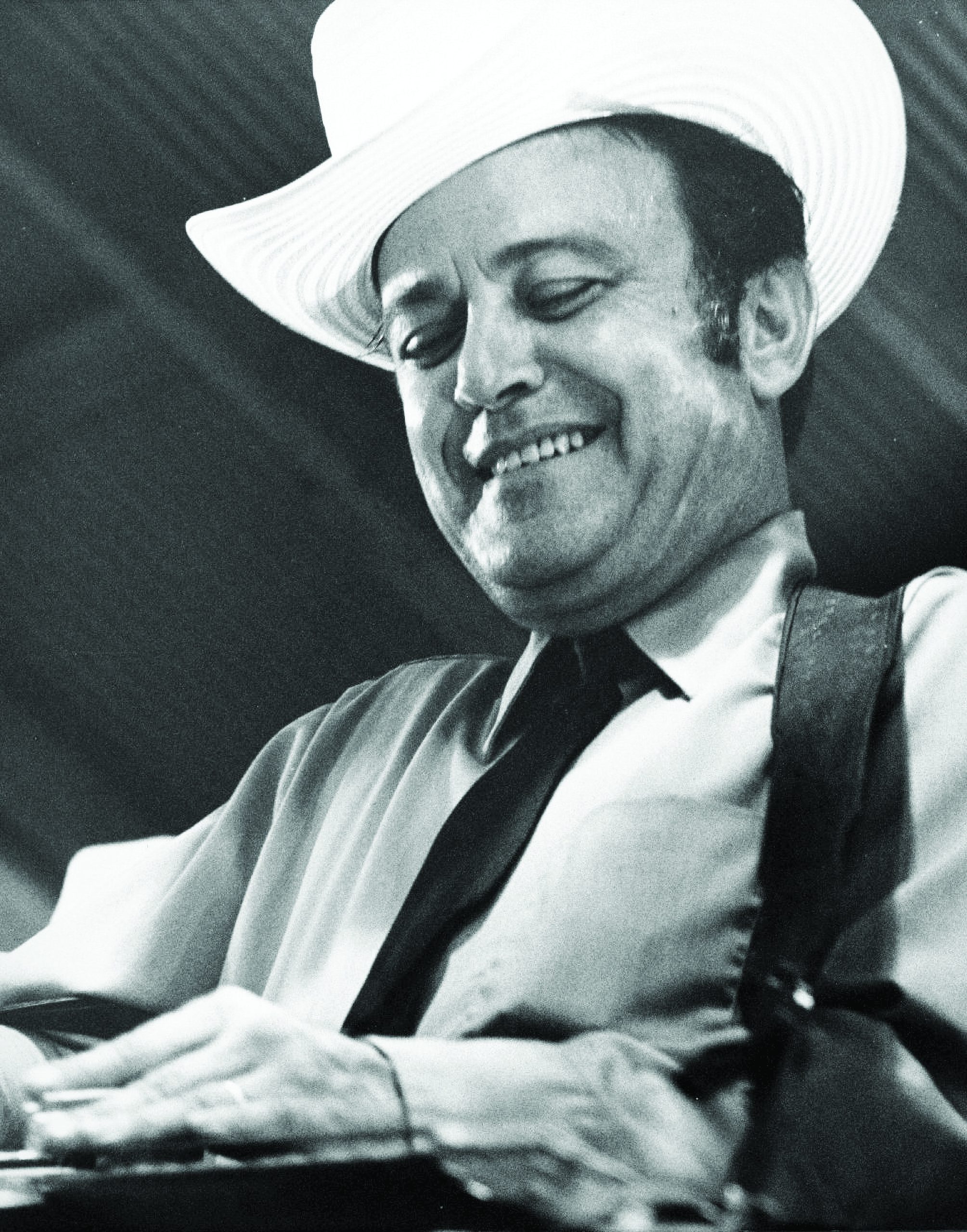
In his childhood mountain home, Graves was surrounded by musical influences. In his autobiography, Bluegrass Bluesman, he remembered the blues influence of an African American neighbor, Buck Roper. “He’d light the [coal oil lamp], and he’d get his banjo and set on the steps, and he played bottle-neck on the banjo. I’d sit there, and it fascinated me, the notes that he would hit, and how he’d curl them around.” Graves also cites Cliff Carlisle as a major influence on his musical style. “I met Cliff Carlisle—he played the Dobro on some of Jimmie Rodger’s records. It sounded like an old metal National, but I liked what I was hearing.” During an intermission of a show he attended as a child at a local school, Graves was treated to a one-on-one conversation with Carlisle. “He talked to me a long time. Now I’ve got time to stand and talk to any kid that comes up to me, because I always remember what Cliff did.” Forgoing his parents’ wishes that he follow in his father’s footsteps and begin working at an aluminum company, Graves left home around the age of 15 and headed to Knoxville to start his professional career as a musician.
Rewriting the Recipe
After stints in several bands including Esco Hankins, Mac Wiseman, and Wilma Lee and Stoney Cooper, Graves earned a name for himself as a utility player on Dobro, bass, and mandolin. While with Hankins, he cultivated the character “Uncle Josh” as a comedic addition to the show, and the name stuck. During a stint in Lexington, Kentucky with Hankins, Graves met Earl Scruggs and adapted his two-finger style on the Dobro to the Scruggs three-finger style. Graves commented, “Anything I’ve done with the Dobro guitar, I owe to Earl Scruggs. I loved the sound of the banjo, but I never could play one. I worked out a roll, but it’s backward from the banjo because you don’t have that high-pitched string, and I lead on the fourth string a lot to get into that roll.”
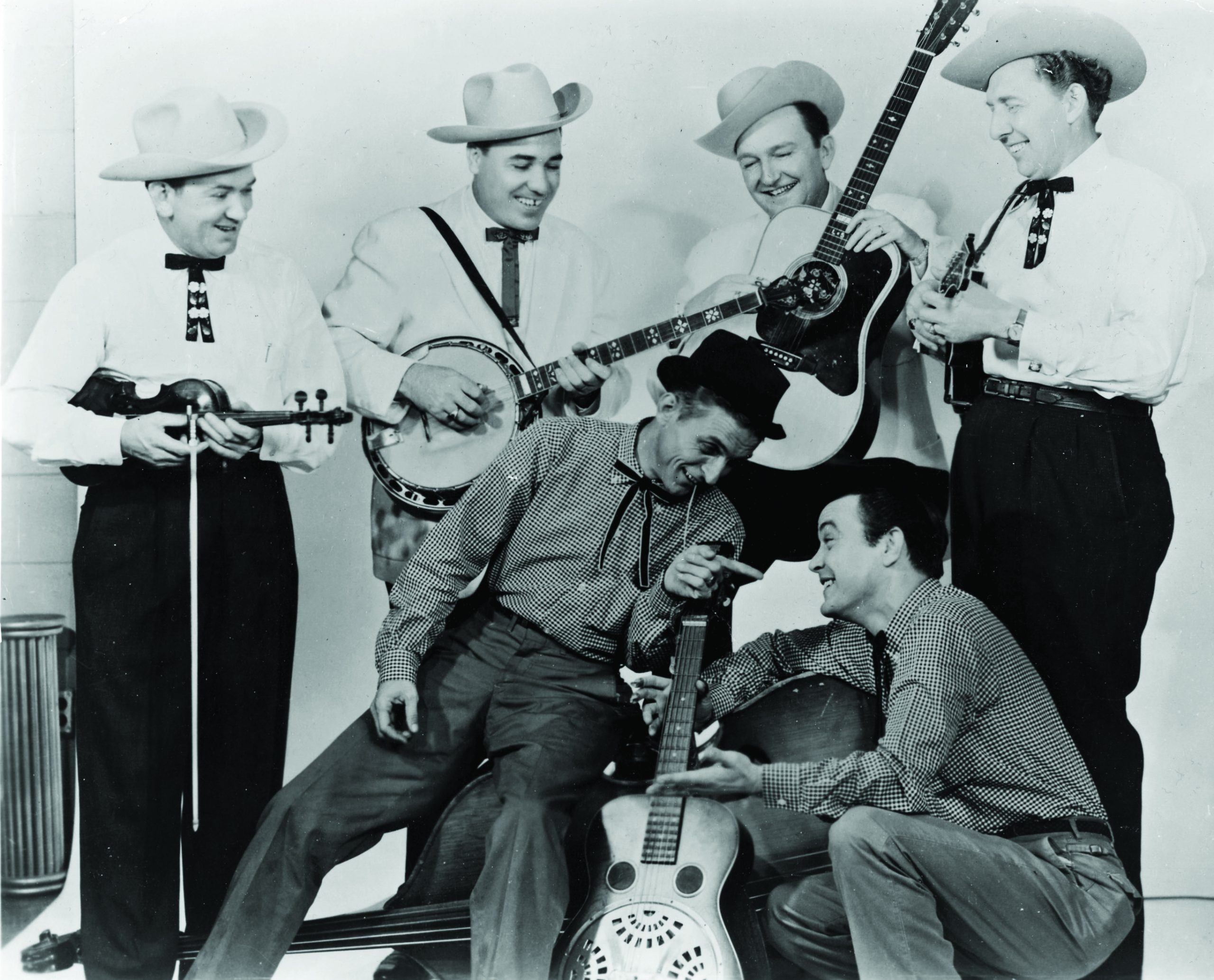
In May 1955, Graves was originally hired by Flatt & Scruggs as a bassist and revived the role of “Uncle Josh.” The duo met with Graves at the Clarkston Hotel in Nashville, Tennessee to offer him the job after an audition. Flatt asked him if he’d rather play the Dobro or bass. Graves recalled saying, “Well, that’s silly. That’s like throwing Br’er Rabbit into the briar patch. I’d rather play Dobro.” Looking to distinguish their sound from Bill Monroe, Flatt & Scruggs embraced the bluesy Dobro style of Graves. The addition of the Dobro was an immediate success, and Flatt told Graves, “I believe they like that ol’ guitar.” Graves stayed with Flatt & Scruggs until the duo parted ways in 1969.
The Legacy of Josh Graves
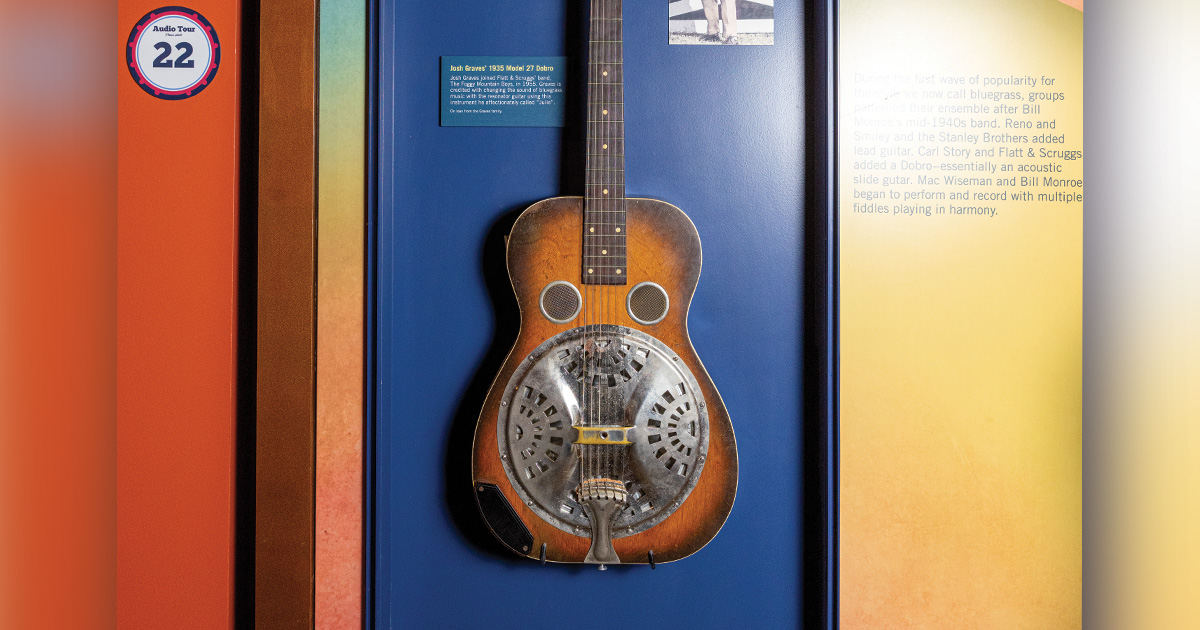
On rare occasions, an instrument becomes synonymous with a musician. We can’t speak about Josh Graves or the Dobro without mentioning both. Through a temporary loan with Buck Graves, Josh’s grandson, the Bluegrass Music Hall of Fame & Museum is proud to have the singular Dobro Josh used on all of the Flatt & Scruggs recordings during his time with the band. The 1935 Model 27 Roundneck Dobro is currently on exhibit in the same condition as when Graves played it. Buck Graves explains, “He played that the entire time he was with Flatt & Scruggs. One of the interesting things that stands out about that Dobro is the duct tape on it. He put that on there to keep his belt buckle from rubbing, and I had no interest in taking it off when it was handed down to me.”
The Bluegrass Music Hall of Fame & Museum in Owensboro, Kentucky strives to convey the legacies of the music through compelling exhibitions. The heroes of bluegrass have a continuous impact on each generation of artists, and legacy preservation is at the heart of the museum’s work. The Josh Graves 1935 Dobro is on display in the core exhibit area of the museum highlighting the golden era of bluegrass. Buck Graves continues, “It never crossed my mind originally to have it on display. When the Hall of Fame approached me about it, I felt that my grandfather would really want people to be able to see the Dobro and enjoy that piece of history. With his influence in bluegrass, blues, and country music, it was something the world needed to see and not for me to just keep at the house. Seeing the instrument may be a catalyst for people to go down the rabbit hole of his journey in bluegrass and blues and discover where his inspirations came from.”