A Love Letter to Raleigh Wide Open
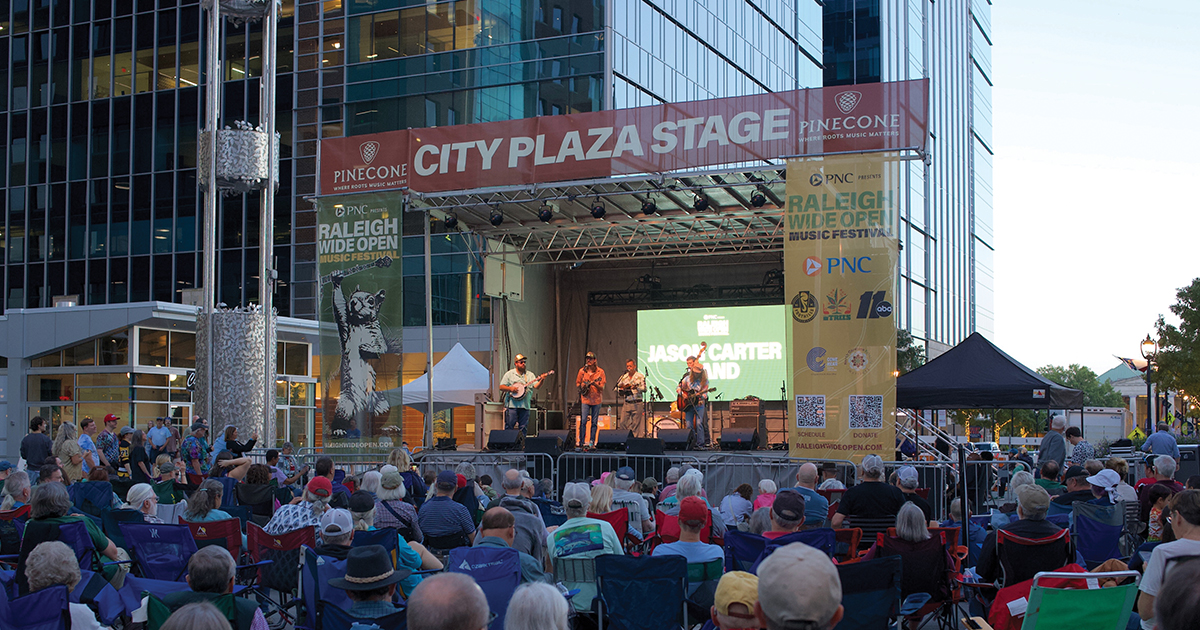
There is a sound that belongs to Raleigh each fall. It rises from downtown streets and echoes between brick buildings. It carries the bright ring of mandolins, the warmth of fiddles, and the rhythm of a hundred tapping feet. It is the sound of bluegrass, and it is the sound of Raleigh Wide Open.
Every year, as the festival returns, something in the city shifts. The sidewalks soften. Strangers smile. People carry their chairs and children and expectations into the open air, ready to be reminded of what it feels like to belong to a place.
Bluegrass has that kind of power. It does not need much, only a stage, a few instruments, and a willingness to listen. Yet what it builds is enormous. It builds connection. It builds community. It builds memory. Raleigh Wide Open, in all its many forms, has been doing that for two decades now.
This festival has changed as the city has changed. For years, its partnership with the International Bluegrass Music Association helped establish Raleigh as a true home for bluegrass, a place where artists, fans, and families could gather to celebrate the roots and the reach of the music. That was always the partnership’s intention, and it worked. The music took root here. Over the years, the festival has grown and evolved, weathering three hurricanes and even a global pandemic. Through it all, it has carried one constant message: Raleigh is a city that believes in gathering.
When the lights come on and the first band starts, you can see that belief made real. The faces in the crowd tell a story of generations. There are old-timers who remember when Fayetteville Street was still closed to traffic, young families who bring their kids because they know this is a culture built on heritage where all are welcome, and newcomers who are hearing this kind of music for the very first time. Together they form a kind of chorus, a shared rhythm that belongs to this city alone.
There is a certain beauty in watching bluegrass against the backdrop of glass towers and city lights. It feels like a reminder that tradition is not something fragile. It can stand up to modern life. It can echo through progress and still sound pure. Raleigh’s skyline keeps changing, but the heartbeat of a fiddle tune feels as familiar as ever.
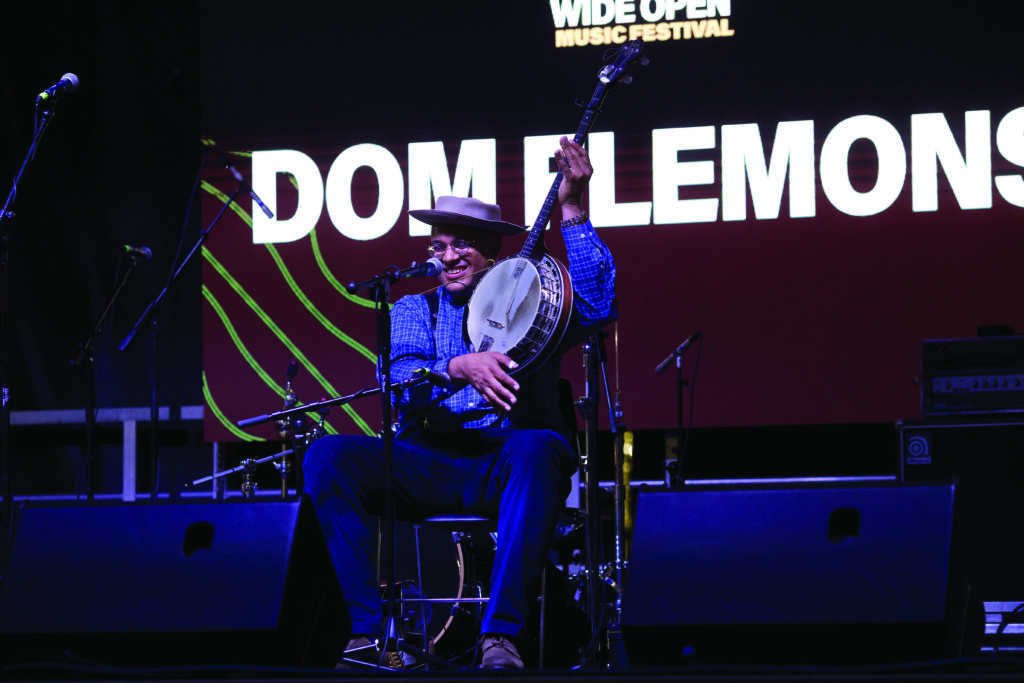
What makes Raleigh Wide Open special is that it has never been about spectacle. It has always been about spirit. It has never been about big names or big stages. It has been about the feeling that comes when a banjo break silences a crowd, when a harmony cuts through the night, when a stranger offers you a spot on their blanket because the music is too good to listen to alone.
For those of us who have watched this festival grow and endure, it feels like a promise kept. A promise that Raleigh will always make space for music that matters. A promise that gathering in joy is still something worth fighting for.
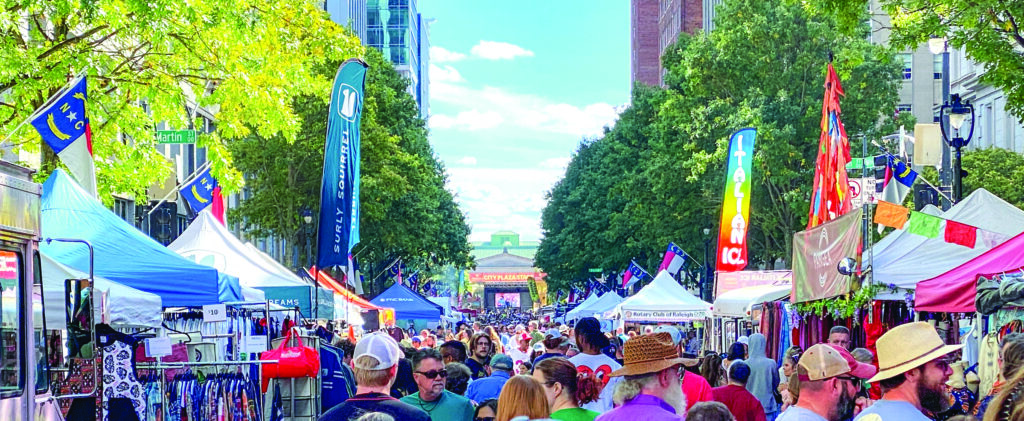
When the last note fades and the crowds drift home, there is always a trace left behind. You can feel it in the air the next morning, a sense of calm, of fullness, of gratitude. The city feels tuned again, at least for a while. That is what bluegrass does. It tunes us back to one another.
Raleigh Wide Open is more than an event. It is a reflection of who we are when we come together without pretense or agenda. It is Raleigh at its most open and most alive. And every year it comes back, it reminds us that the strings of this city still hum with hope.