Bluegrass Artists Reflect on the Importance of the
Nitty Gritty Dirt Band’s 1972 Will The Circle Be Unbroken Album
In 1972, when I was a brand new teenager, my younger brother and I would do the goofy thing of getting my Mom vinyl music albums for Christmas that we really wanted ourselves. Why in the world would our Mom want an Eric Clapton album? Eventually, however, she began to open up her musical horizons, especially after she became a single mother with teenage hippy kids, and she even fell in love with a new favorite band, Pink Floyd.
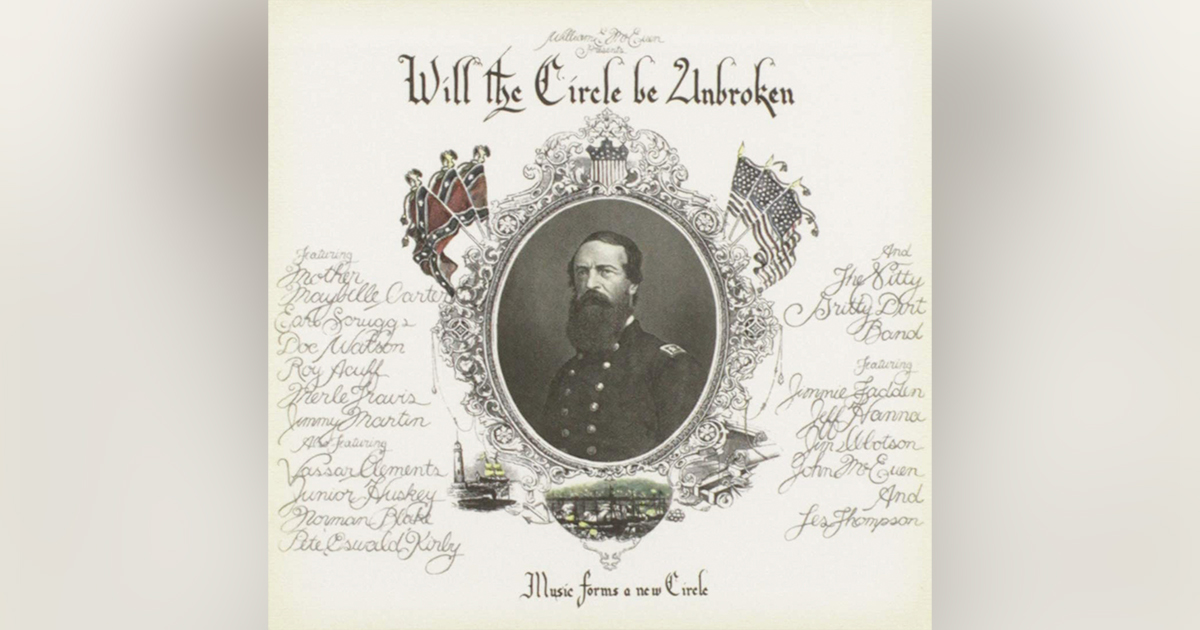
There was one recording that we gave her that did make more sense, however, and that was The Nitty Gritty Dirt Band’s three-album Will The Circle Be Unbroken collection.
It sounds cliché now, yet the Circle Album project really did bring generations together during a tumultuous time in our country’s history. Rednecks and conservative suit-wearing businessmen did clash with the hippies and progressives of that time over the Vietnam War, the length of one’s hair and bellbottom pants, a more open view of race relations, and the rise of the classic rock and R&B era of music turning into soul and funk. It was also a time in country music, right before Willie and Waylon changed everything with the outlaw country movement.
The Circle album marked the first time that I had heard of Vassar Clements, Norman Blake, and Doc Watson. When you are young, the song “Tennessee Stud” is a cut that you are instantly drawn to, for many reasons. But overall, the album became important because hippies and country music veterans combined forces, although wary of each other at first.
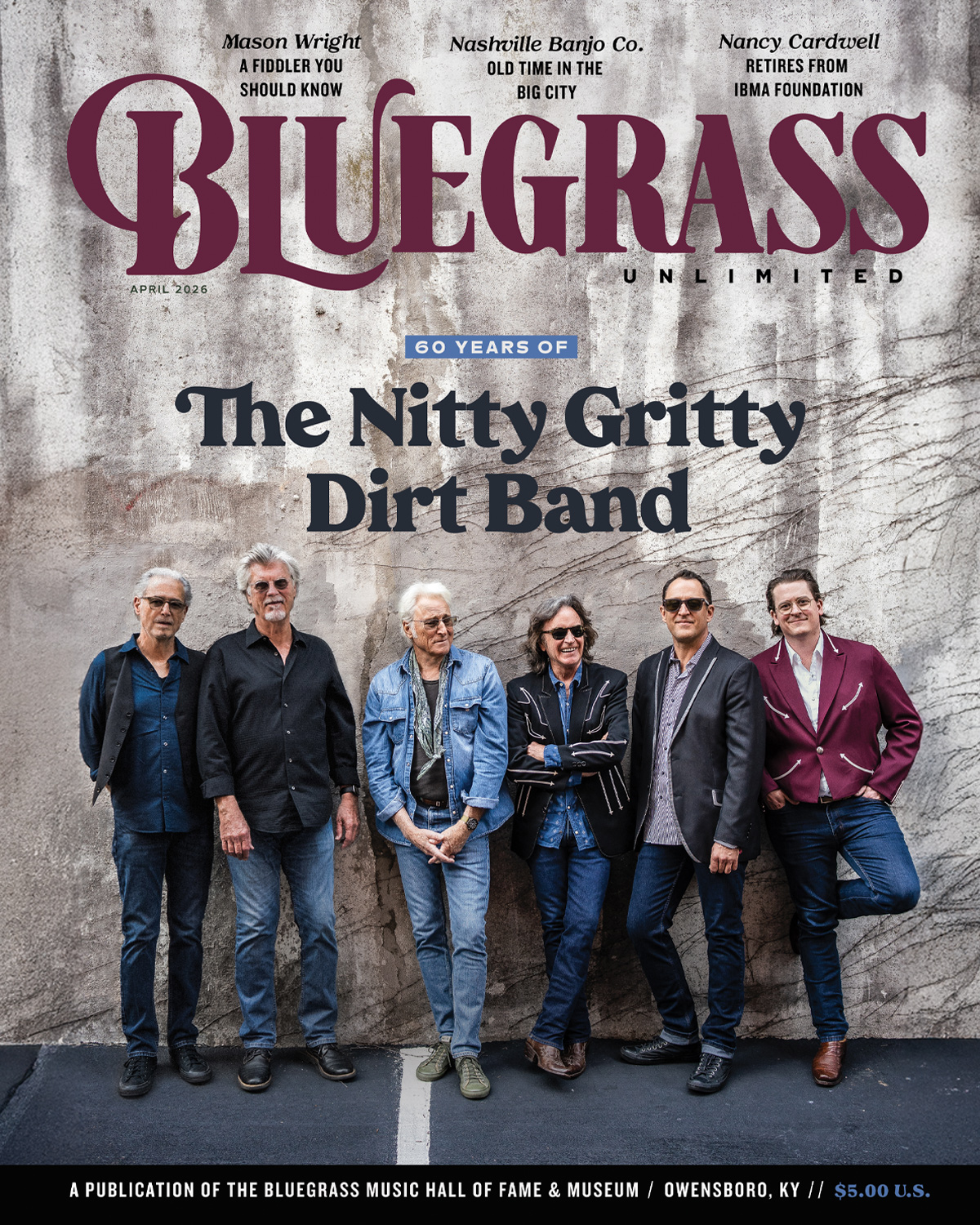
Now, all of a sudden, the Nitty Gritty Dirt Band is celebrating 60 years together and has announced a last tour in 2026. With all of those years passing quickly, there are many artists who appeared on the Circle slbum who are no longer with us, including Doc Watson, Mother Maybelle Carter, Roy Acuff, Merle Travis, Earl Scruggs, Randy Scruggs, Gary Scruggs, Vassar Clements, Jimmy Martin, Roy Huskey Jr., Pete ‘Oswald’ Kirby, Ellis Padgett, Gloria Belle and more.
Over the years, I have interviewed various members of the Nitty Gritty Dirt Band about those heady times, including Jeff Hannah and Jimmie Fadden. “By the time 1971 rolled around and after we adopted the Scruggs Family, with Earl and his sons Randy, Gary, and Steve, we were fortunate enough to be able to make Will The Circle Be Unbroken with all of our heroes,” said Jeff Hanna. “One of the things that I loved about Vassar Clements and Earl Scruggs was how generous they were to the generation that came after them. As people, they were so cool and never had that ‘Hey kid, get off my lawn’ attitude about things. They got energy from the younger guys coming up who admired them. They were happy to share their gift and their art with them. That had a lasting impression on me.”
Still, as Hanna explained to me, the struggles to make that album during that time period were real. “Roy Acuff was especially wary of us,” said Hanna. “But, any cultural differences that might have existed between the hippies from the West Coast, as in our band, and those guys went away as soon as we started playing together. Although there was never, ever an issue with Earl Scruggs. I think that one of the major impacts of that Circle album was the bridging of that cultural gap and the generation gap. In the 1970s, there was a real difference and a lot of infighting in families then. I have had people tell me, flat out, that the Circle album really made a difference. I have a really good friend who works at the Country Music Hall of Fame, who told me that he and his dad couldn’t agree on anything until the Circle record came along. He said the album was a bonding point for them, and he had tears in his eyes when he was telling me this story. It had a profound impact on their relationship.”
Many years later, the members of the Nitty Gritty Dirt Band would reunite with Doc Watson on occasion, especially at the MerleFest music festival hosted by Watson and named after his late son Merle. “I thought Doc was so overwhelmingly genuine and uncomplicated, untouched by the status that people would have him live with,” said the Dirt Band’s Jimmie Fadden. “His celebrity, I really don’t believe, interfered with his life. I think that he was a good Christian man that lived his values, and he played his music, and people loved it. I last saw Doc during the last time we played MerleFest while he was still alive, and that was quite some time ago. We talked about what a wonderful opportunity the festival provided for us to get together. We’re always on the move, so it was a chance for us to share some stories about what we’ve been doing and to just pull up a chair and check in with one another.”
Here, in 2026, I have reached out to many wonderful bluegrass artists to collect their thoughts on the accomplishment that was the 1972 Will The Circle Be Unbroken album, as well as its legacy 54 years later.
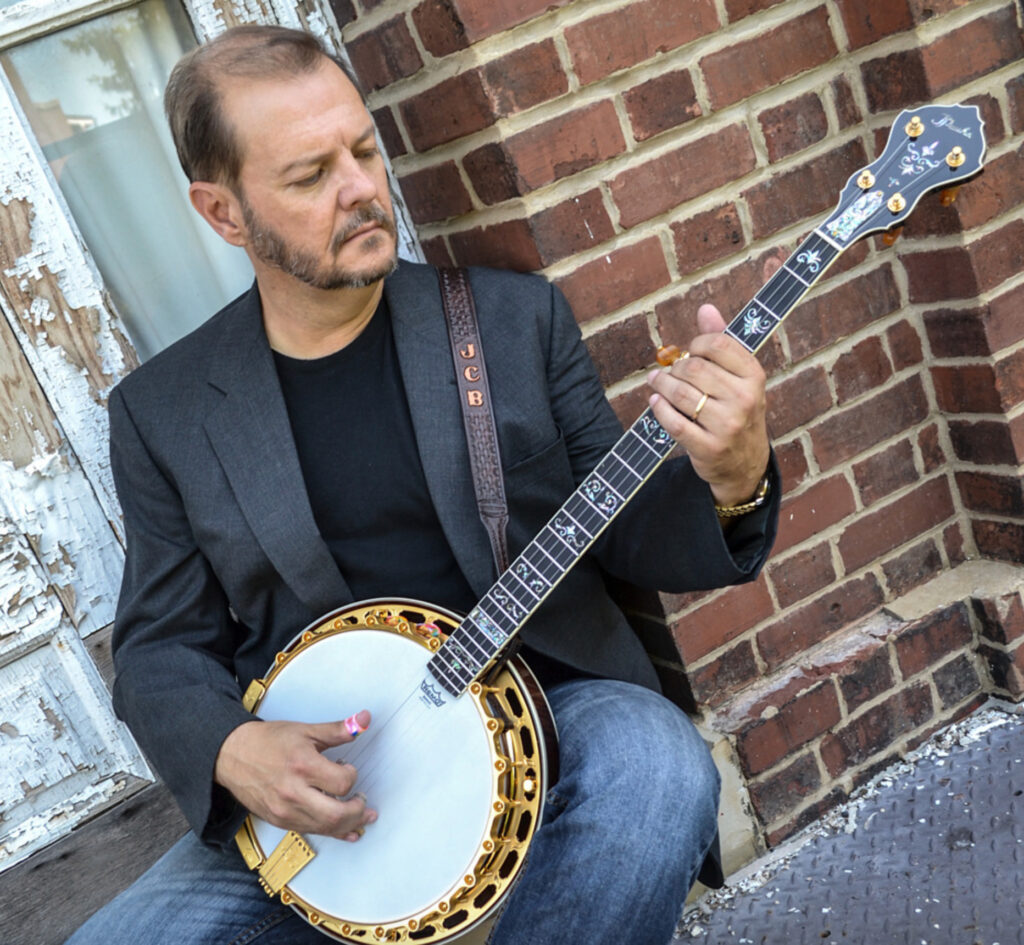
Jason Burleson of the legacy bluegrass band Blue Highway – “For me, the Circle album was the first recording to really take you there, as far as what it was like to be in those sessions. I always felt like I was sitting in the corner of the studio watching it go down as I listened to the dialogue between songs and looked at all the great pictures in the album jacket. It has definitely had a huge impact on everyone that loves this kind of music, and I’m sure it turned a lot of people on to it that weren’t familiar with it.”
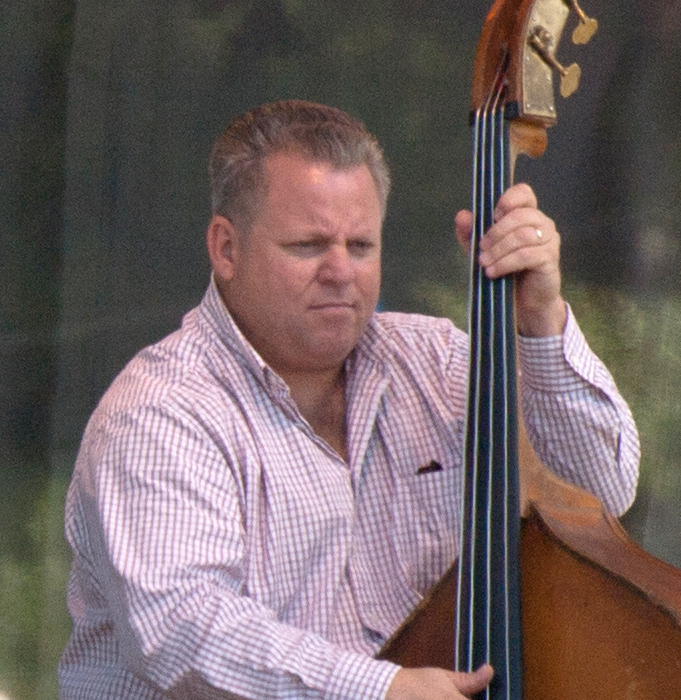
Mike Bub, 5-time IBMA Bass Player of the Year award winner – “The Nitty Gritty Dirt Band were my first real concert that I went to as a teenager. I had just started playing banjo, and John McEuen and the Dirt Band were one of the few groups we could see on the four TV channels that we could tune in that featured a banjo, besides the usual suspects like Roy Clark, Buck Trent, and maybe Earl Scruggs. My sister took me to see the NGDB at the Celebrity Theater in Phoenix, which featured a round, turning stage in the auditorium. The group had rebranded itself at the time as ‘The Dirt Band,’ and they had brought in several expats from the Loggins & Messina band to add to their lineup, including Al Garth and Merel Brigante. A few years later, when I started playing out professionally, the first real drummer I ever played with was Merel Bregante, so it turned into a small world. But, as a bluegrasser, the Will The Circle Be Unbroken album was foundational in my learning process and became an album of Desert Island importance. 50 years later, I was honored to play bass for two nights at the Country Music Hall of Fame show celebrating the Circle album’s 50th anniversary. Once again, it was quite an honor and a true ‘full circle’ moment for me.”
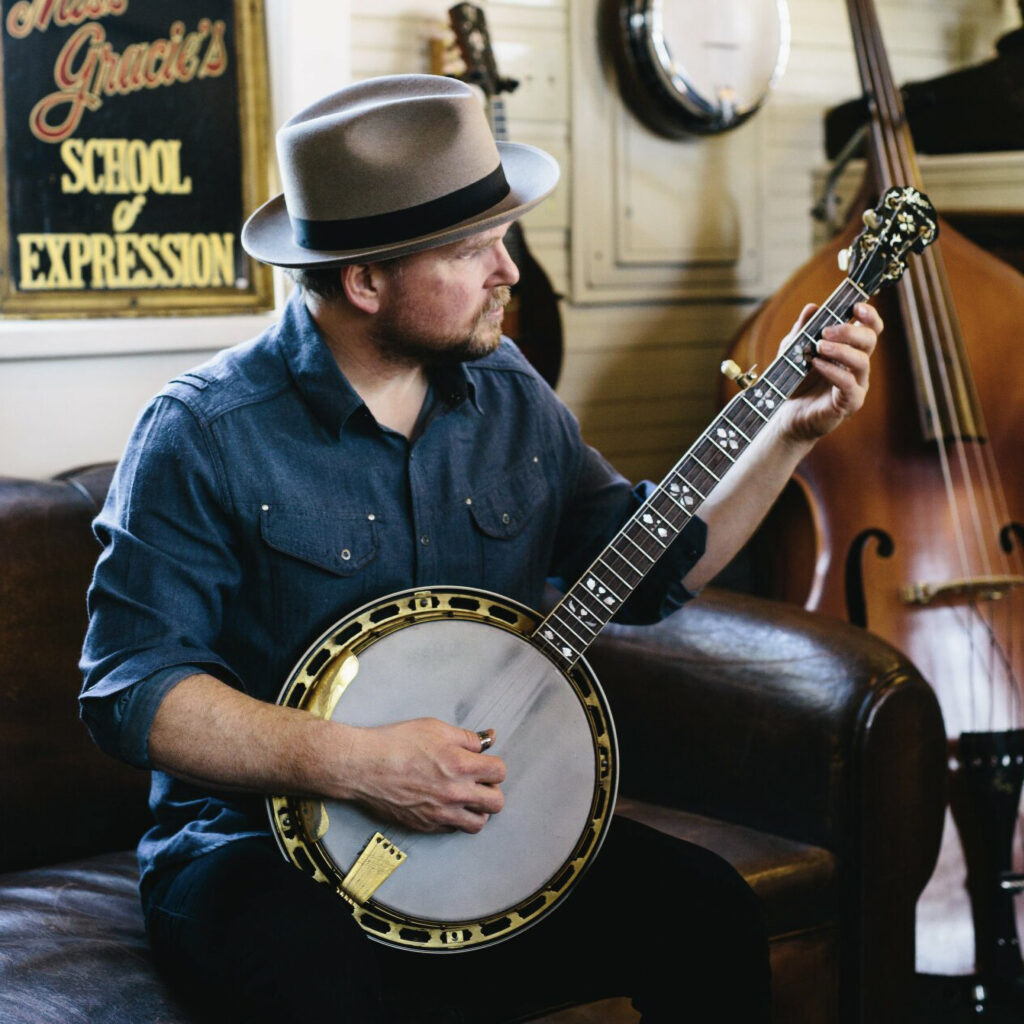
Ron Block, long-time member of Alison Krauss and Union Station featuring Jerry Douglas, and a studio owner and producer — “I’d been playing for a couple years, and then I think I bought the original Circle album around 1979 or 80. I still have that copy, and I got it out fifteen minutes ago, and as I slid it out of the sleeve, I felt chills as I remembered how much it meant to me. And, those vinyl record grooves are well-worn. My childhood and teen years were filled with music from the past. My mother loved country music, and Dad had a retail music store. I never had any concept of ‘the music of my generation,’ so when I heard the first Circle album, I was captivated by hearing all these legends together in the studio. I loved all of it. Doc Watson always stood out. I loved ‘Tennessee Stud,’ especially his vocal phrasing, and his flatpicking on ‘Black Mountain Rag’ is just perfect. And, of course, Jimmy Martin, Earl Scruggs, Merle Travis, and all the rest. I think it was the first time I’d heard many of these songs and tunes, including ‘Cannonball Rag,’ ‘Lost Highway,’ ‘Losin’ You,’ ‘The Grand Ole Opry Song,’ and others. The dialogue was one of my favorite parts of the album. I’d never been in the studio at that point, so it was pretty magical to hear the behind-the-scenes talk, and especially Doc meeting Merle, and all of Doc’s kindhearted, funny banter before ‘Tennessee Stud.’”
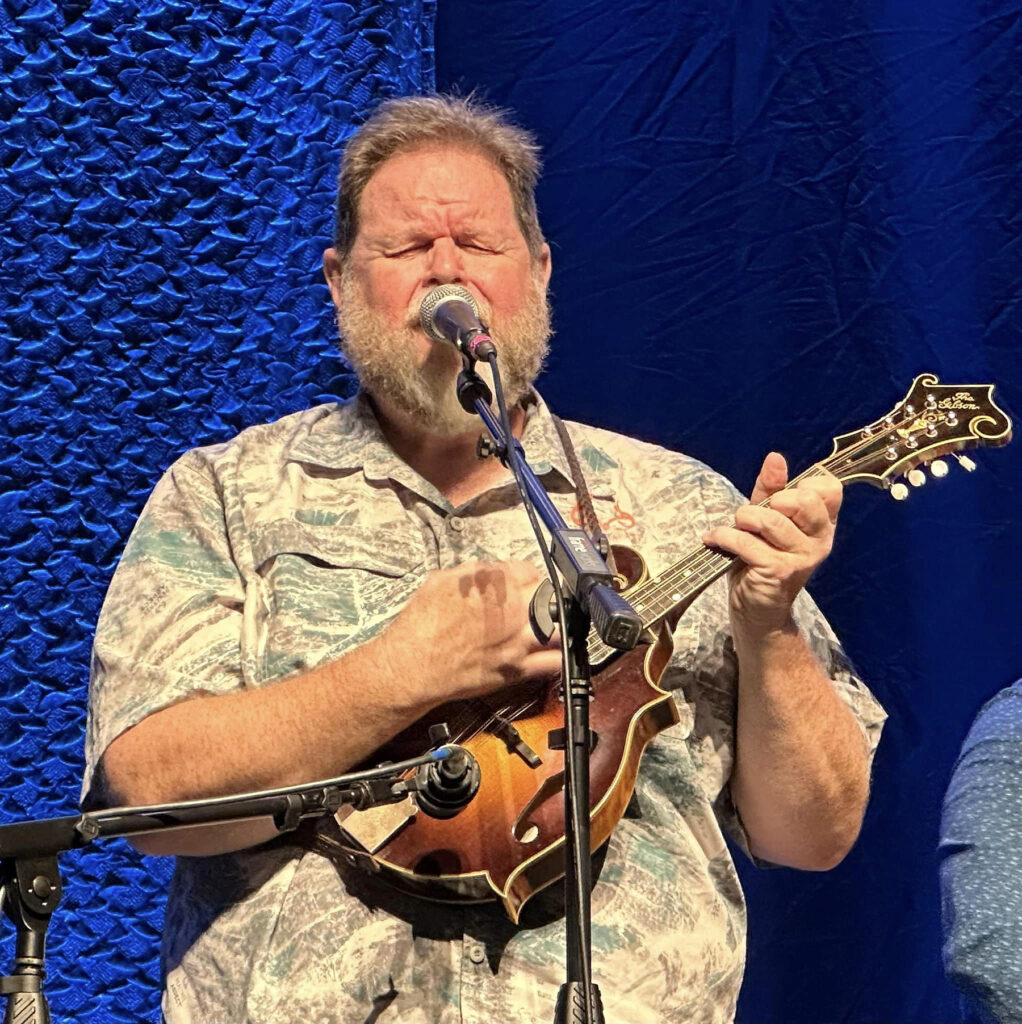
Veteran bluegrass artist and Eastern Kentucky native Don Rigsby – “The original Will the Circle Be Unbroken triple album set was released by the Dirt Band in 1972 when I was the ripe old age of four. At that time, I can’t say that I was heavily into it. I was probably more into nursery rhymes and kids songs that my Mama would sing to me. But, I’ll tell you this much, in the years to come, I became a big fan of that recording. As a fledgling musician, I was like a sponge with all of the experienced players that I would get to meet, and my brother Ron was one of those people. In fact, as I think about it, he’s one of the most influential musicians in my life because he’s older than me and was exposed to things that I hadn’t yet been exposed to. He often talked about the Circle recording and I can remember him doing so. As a banjo player, he was an avid follower of Earl Scruggs, who is prominently featured in this project. When I really dug into it and listened to all of the contributions by Vassar Clements, Doc Watson and Maybelle Carter as well as Earl Scruggs and Jimmy Martin, I had already discovered Volume 2 of the Circle trilogy.
“Jimmy Martin was also on Volume 2 as was Earl Scruggs and Vassar Clements, and it also had a lot of the contemporary musicians of the day on it as well like Jerry Douglas, Mark O’Connor and Roy Huskey Jr. This was the catalyst for me to go back and rediscover the original album, which became a guidebook for me, of sorts, about how to blend tradition with the contemporary without offending anyone. If you were a fan of the Dirt Band, these other players and singers who were steeped in tradition didn’t offend you at all, as they sort of added legitimacy and acceptance. And, if you were a fan of the musical pioneers who were the hotshot musicians of their day, even on Volume 2, you were thrilled to see them get the spotlight with these pop stars. This album was groundbreaking for that reason, and the music was stellar. It simply became a tutorial on how to make such projects successful. I’m surely thankful that it was recorded and I’m a huge fan of all of the Nitty Gritty Dirt Band’s work, but more especially these Circle recordings.”
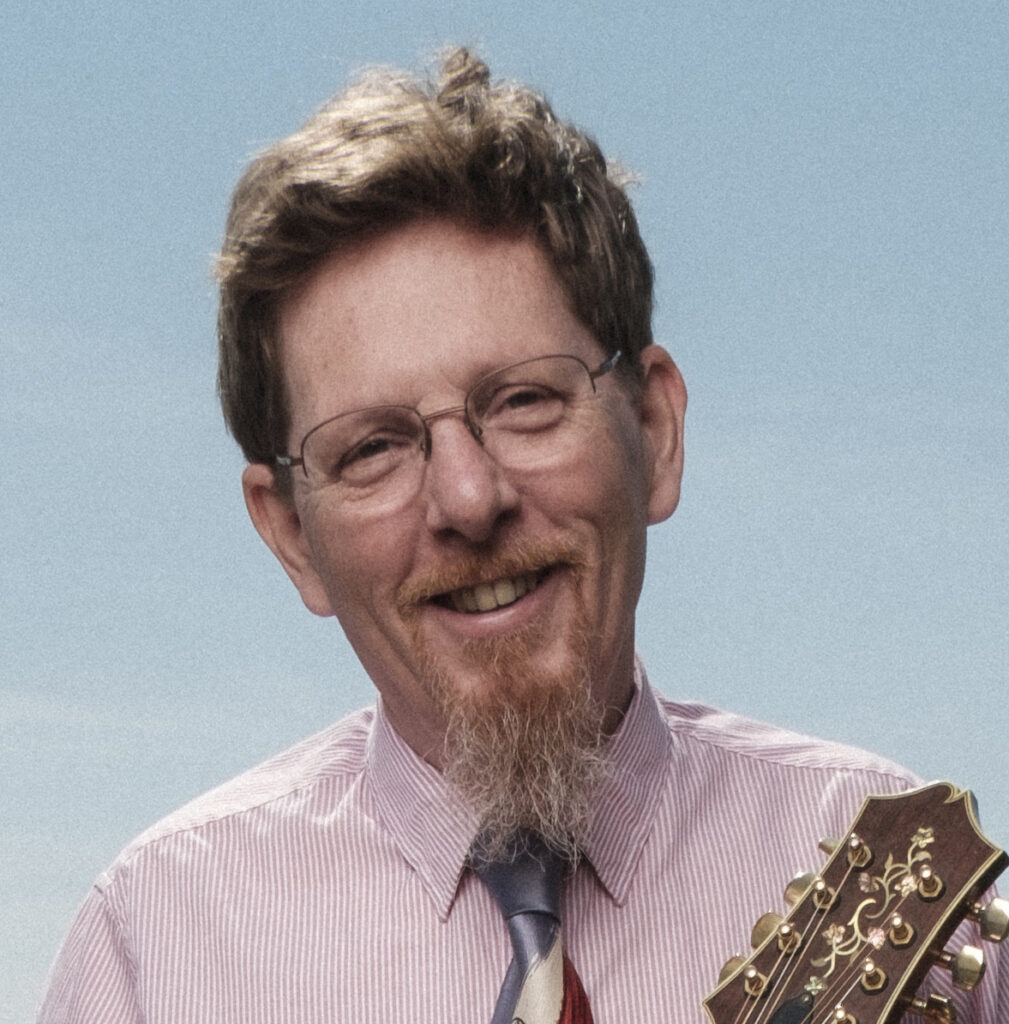
IBMA Hall of Famer Tim O’Brien – “In late December of 1972, my Wheeling, West Virginia, friend Pete Holloway threw a Christmas party in his apartment, which was above the garage behind a big house on Bethany Pike. I was home from my first semester at college, where I’d mostly studied my dorm mate’s Doc Watson records. Pete pointed out the hot spiced wine and snacks, and then he held up a triple album, saying it was ‘a new thing from the Nitty Gritty Dirt Band.’ At that time, I knew the Dirt Band’s version of ‘Mister Bojangles,’ and I had heard Jimmy Martin and Doc Watson live. I also owned a Flatt and Scruggs LP, but I really had only heard of folks like Merle Travis and Roy Acuff. When ‘Tennessee Stud’ came on, I started getting happy, and then the next track was ‘Black Mountain Rag.’ That was the winter when Vassar Clements became every hippy kid’s favorite fiddler. Younger music fans were invited into the fold with the Circle album, and something new and wonderful had clicked into place with that release.”

Louisa Branscomb, bluegrass artist, songwriting legend, and an IBMA Distinguished Achievement Award honoree – “The Circle album was a turning point because we could identify with Nitty Gritty Dirt Band. They were hippies like us, and yet they brought in all of these giant bluegrass influences. It was like walking through the Golden Arch to a big musical party, and it became a home with everyone there, including people my age, hippies like me, and yet so many bluegrass greats as well, all becoming one musical fiesta. We could be who we were, or who we were back then, in my case, and I could grow into the world of bluegrass. It was the living testament to how music brings people together across individual differences.
“We played the Circle songs endlessly in jams and by the campfire. ‘Will the Circle Be Unbroken’ was one of the first songs I learned on banjo after ‘Old Joe Clark.’ The players on the Circle album blazed trails through my music in my formative years. Buddy Spicher played on one of our albums, I got to know Gloria Belle as an early woman in bluegrass, I got to jam with Gary Scruggs and Doc Watson, and there were many other crossed paths as well.
“Another memory I have is when our band Boot Hill played at the Grandfather Mountain Festival between sets by the Earl Scruggs Revue and the Nitty Gritty Dirt Band. I almost didn’t make it onto the stage because the porta-john I was in had shifted on the mountainside, and the latch wouldn’t open, and nobody could hear me calling for help against the onstage volume of the Earl Scruggs Revue. I made it onstage, however, and we looked very small against all of their huge speakers. I seriously thought I was going to die in that porta-john with my banjo sitting out in front of it, like a banjo tombstone (laughing). It was so majestic up there on Grandfather Mountain that weekend, but the festival was too successful, and they couldn’t fully accommodate all of the people that showed up. As for the Circle album, it was like one celebratory musical language between all kinds of people, and it’s outlived bellbottom pants all of this time later. Now, bellbottom pants have made a comeback while that album still endures half a century later.”
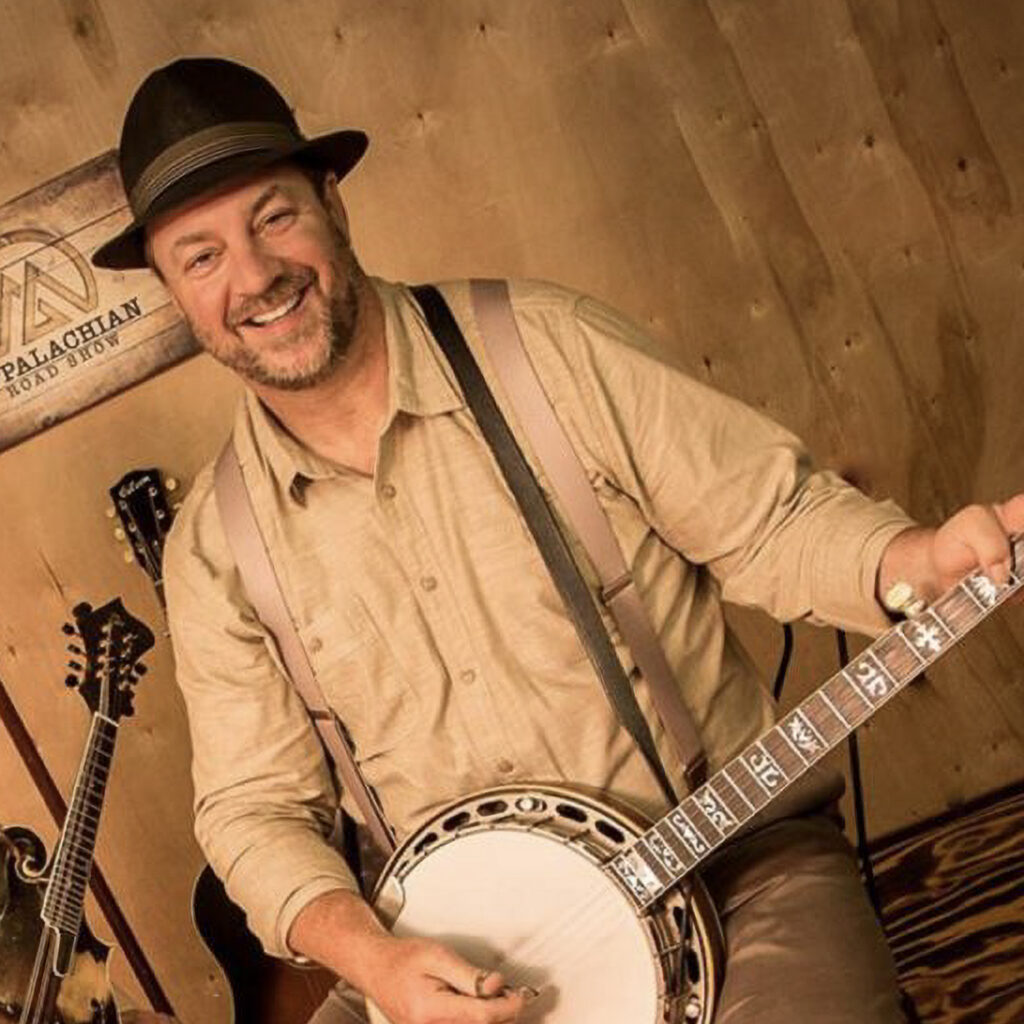
Barry Abernathy, banjo player and original member of the IBMA Award-winning band the Appalachian Road Show – “For me, the landmark 1972 Will the Circle Be Unbroken album brought together the younger folk and rock musicians of the day with the older country and roots music musicians that are some of the main musical influences on myself as well as my band mates in the Appalachian Road Show. Our group’s sound comes directly from many of those folks that were a huge part of this landmark recording, not only the great Nitty Gritty Dirt Band, but also legends like Earl Scruggs, Doc Watson, Mother Maybelle Carter, Jimmy Martin, Norman Blake, Merle Travis, Vassar Clements, and more. This record, in my opinion, helped to pave the way for collaborative recordings between the two different genres, and it continues to bring greater awareness to the music we grew up listening to. And, the project has also been an inspiration on the way we put our recordings together with a unifying theme. All of these years later, the Circle album is still important and influential.”
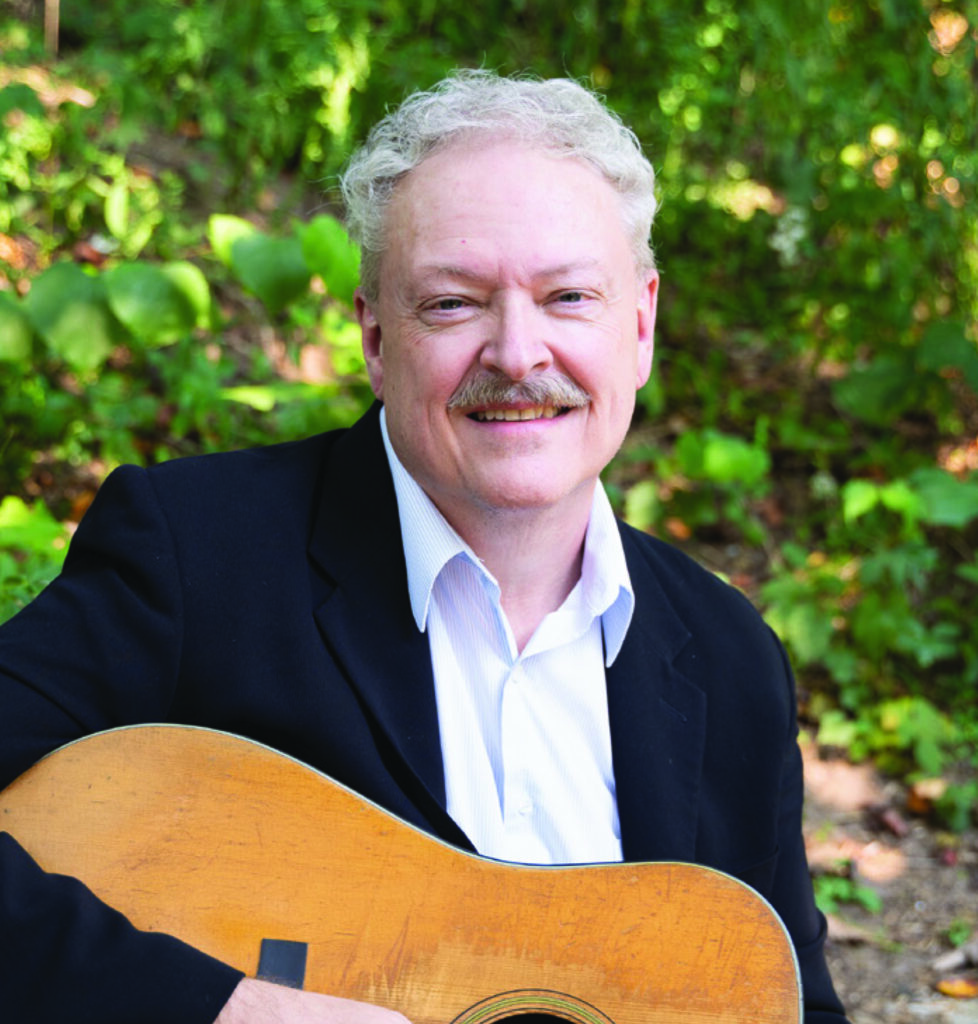
Tim Stafford, 3-time IBMA Songwriter of the Year and an original member of Blue Highway – “When I got into bluegrass in the mid-1970s, there was a sound that permeated down to the local musicians that I adored who gathered in bands and jam sessions in East Tennessee and Southwest Virginia. I didn’t realize it at the time, but it was informed by lots of sources, including traditional ‘grass like Bill Monroe, Flatt & Scruggs, and others, but also the contemporary sounds of The Osborne Brothers, The Country Gentlemen, and the Seldom Scene, as well as the influence of groups like the Earl Scruggs Revue, Newgrass Revival and others. But the sound that may have had the biggest impact was the Nitty Gritty Dirt Band’s monumental Will the Circle Be Unbroken triple album, which is appropriate, because in a way it brought all these sources together. The first time I heard Vassar Clements playing ‘Lonesome Fiddle Blues’ or Merle Travis slaying ‘Cannonball Rag’ and Doc Watson’s unmatched versions of ‘Black Mountain Rag’ and ‘Tennessee Stud’ on the radio, I didn’t even know they came from the same album, but I had heard this sound before. So, even though I came to the music a few years after the McEuen Brothers, Jimmie Fadden, Jeff Hanna, Les Thompson and Jimmy Ibbotson forged this masterpiece with all of those legends, Circle was a profoundly influential album, not only for those like me who didn’t really hear the whole project until much later, but for all the young kids who got hooked on this bluegrass thing way back when and still can’t quite get over it.”
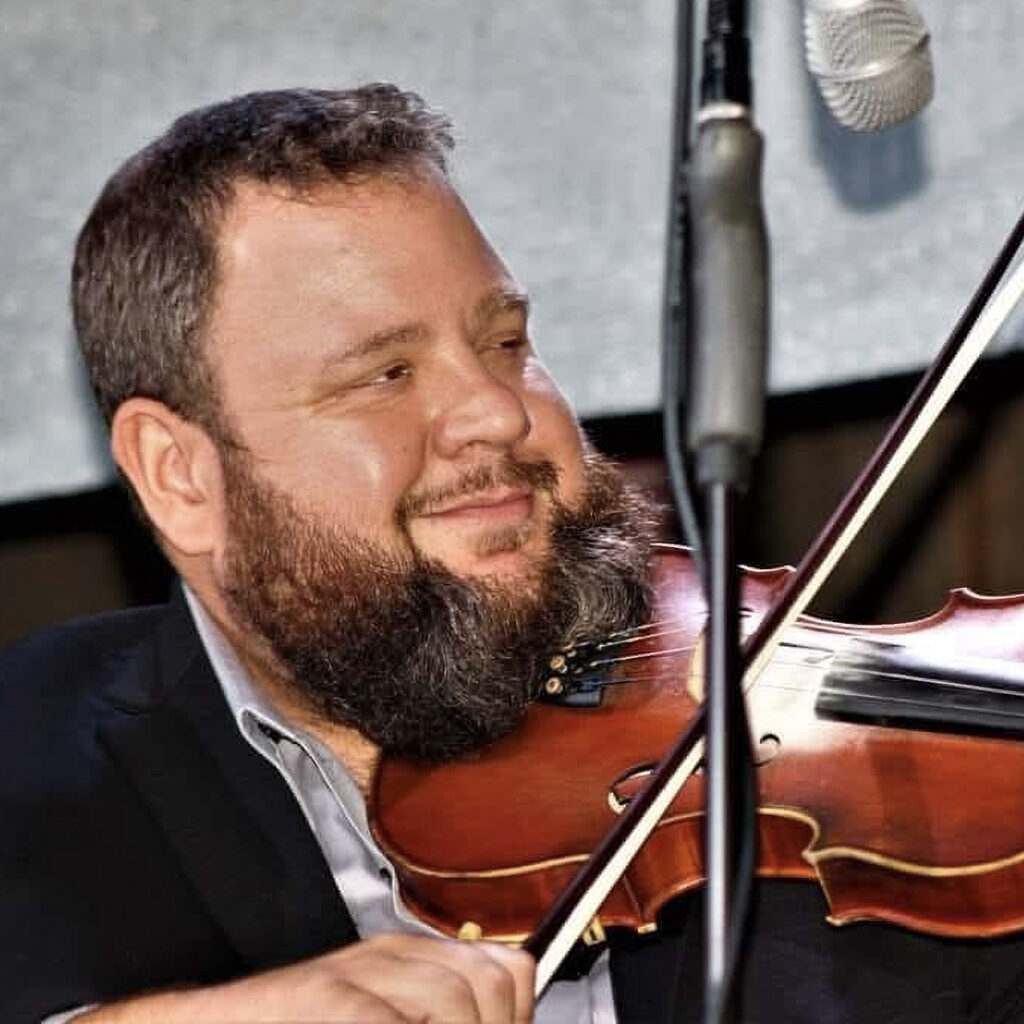
Fiddler supreme Hunter Berry – The first time I heard the Circle record, it was like finding a treasure with a lot of my favorite artists performing together on it, and with Vassar Clements doing all of the fiddling. It was my 14th birthday, and I woke up to a big ole homemade country breakfast that my Mom made, and while we were eating, we were listening to Tim White’s Saturday morning bluegrass show on WGOC 640-AM broadcast out of Kingsport, Tennessee. All of a sudden, Tim mentions my name on the radio and the fact that it was my birthday and that I should go look in my sock drawer for a birthday present. Sure enough, there was the Nitty Gritty Dirt Band’s Will The Circle Be Unbroken album. Then, Tim played two songs off the record on his radio show. One of the things that stuck with me from that album was that most of the songs were done on the first or second take, because every take after that seems to lose just a little something. At the moment, the bluegrass industry is inundated with the idea of over-recording or over-producing the life, feeling, and soul out of the newer recordings, so I appreciate the approach of the Circle album from all those years ago.”
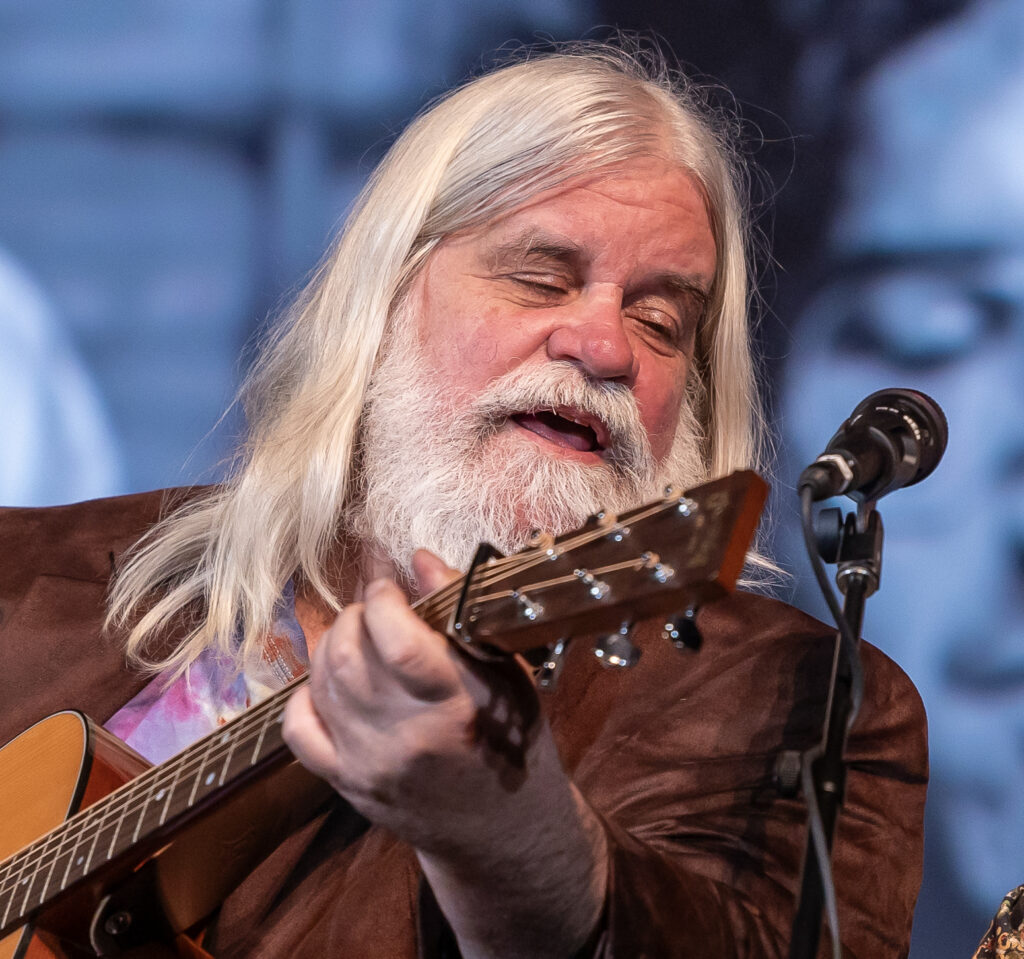
Vince Herman of Leftover Salmon, the Vince and Silas Herman Band, and The High Hawks – “I guess I heard the Dirt Band do their song ‘Mister Bojangles’ when I was on a construction site in 8th grade, and it hit the sweet spot in my ears right away. As a big fan of Cat Stevens’ music during that period, I became fascinated by the bluegrass I had recently been exposed to on the Will The Circle Be Unbroken album. The combination of a great song and a great bluegrass band was just what I was looking for, so when I found the Circle album, I wore it out. I also liked the fact that on that album, young hippies and older people were coming together to make music at a time when the country needed it. I also became a big fan of Jimmy Martin, listening to that record. When Leftover Salmon made our Nashville Sessions album, we knew we were Colorado hippy bluegrass guys doing what the Dirt Band did years earlier. Of course, our record didn’t have anywhere near the impact on music and culture that happened with their Circle album. Salmon never felt a backlash from the traditional folks because we always played a mix of rock, reggae, zydeco, Tex-Mex, and bluegrass, so anything was acceptable for us. Looking back, though, getting to hang with the Dirt Band at various times over the years has been a bucket list experience for me as they are great musicians and even better humans.”
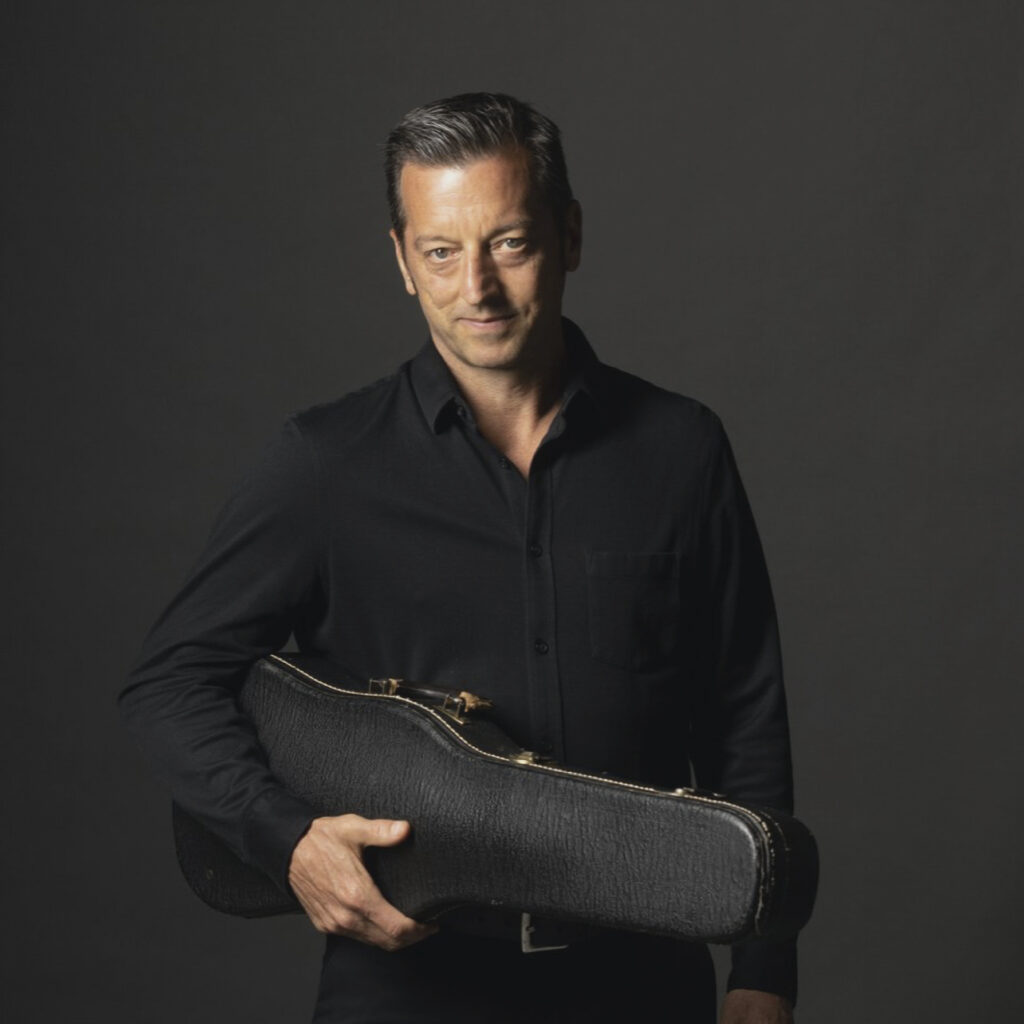
Grammy Award-winning fiddler Jason Carter – “The Circle album was one of the first records I remember ever hearing. It was a very influential record for me. It would’ve been my introduction to Doc Watson, and possibly to Jimmy Martin and Vassar Clements as well. It featured my favorite recording of ‘The Orange Blossom Special,’ and I can remember being blown away as a kid listening to that version. I couldn’t get enough of it. Also, this would’ve been the first time that I ever heard the song ‘Tennessee Stud’, and as a kid, and that story had me hook, line, and sinker. All the songs with Jimmy Martin also blew me away. I absolutely loved ‘Losing You (Might Be the Best Thing Yet).’ Although I hadn’t started playing the fiddle yet, the sound of Vassar Clements playing it was so inspiring. He was one of the first musicians that I came across, where you didn’t have to read the liner notes to know who was playing the fiddle. This was really a life-changing record for me to hear.”
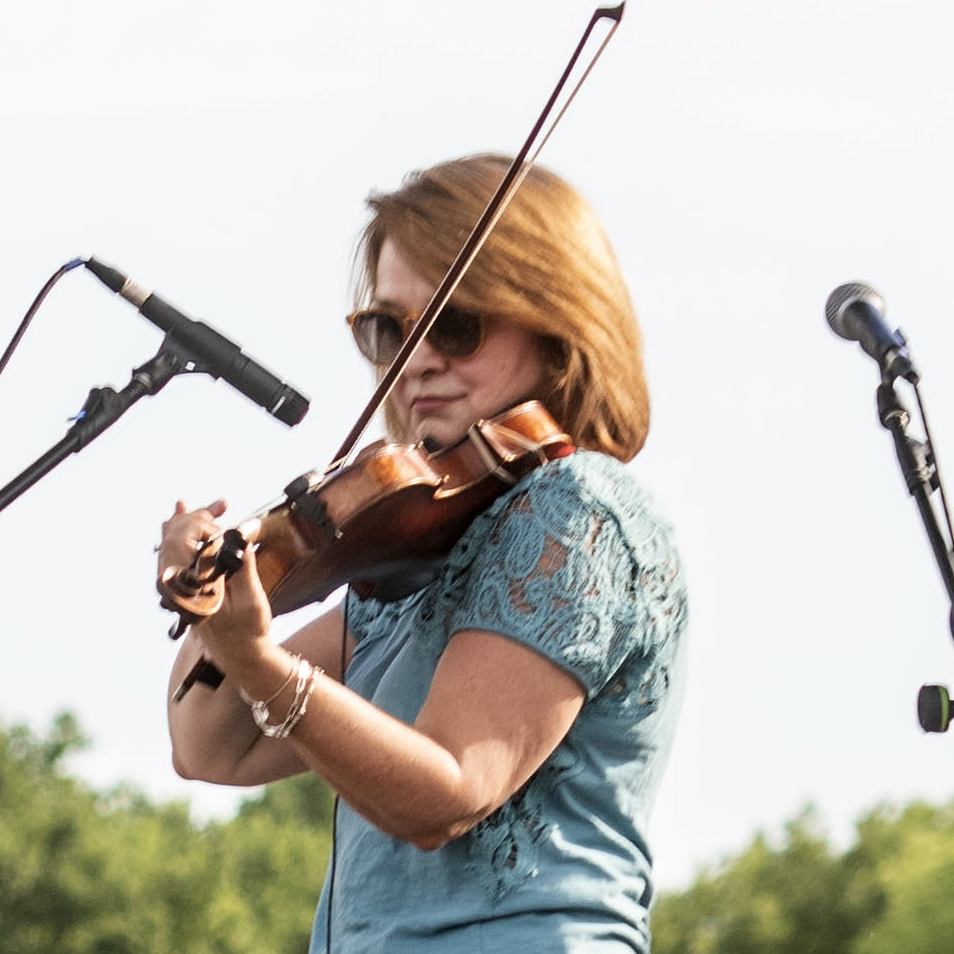
Tammy Rogers of the Grammy Award-winning band The SteelDrivers – “The first thing I remember about the Circle recording was that album cover. What kind of music would have a picture on it that looked like it was from the Civil War era, with handwritten names around it? When I would sneak into my older brother’s room and listen to his records, that album really stood out from the Eagles, John Prine, and Neil Diamond albums in his collection. I loved my grandmother’s Carter Family records, so Mother Maybelle’s name caught my eye immediately. I can honestly say that I was absolutely taken with the music and the communal style in which it was recorded. I don’t think I had ever heard anything like it at that time. I know I was just a young kid then, but it sounded like they were just having a party and someone just happened to record it. You could even hear them talking between songs. How cool was that? As I got older and became a professional musician, I really understood the historical significance of the Circle album, as it has come to be known, which featured young California hippies collaborating with their heroes from the Southern and Appalachian music realm that they had revered. It was just extraordinary!”
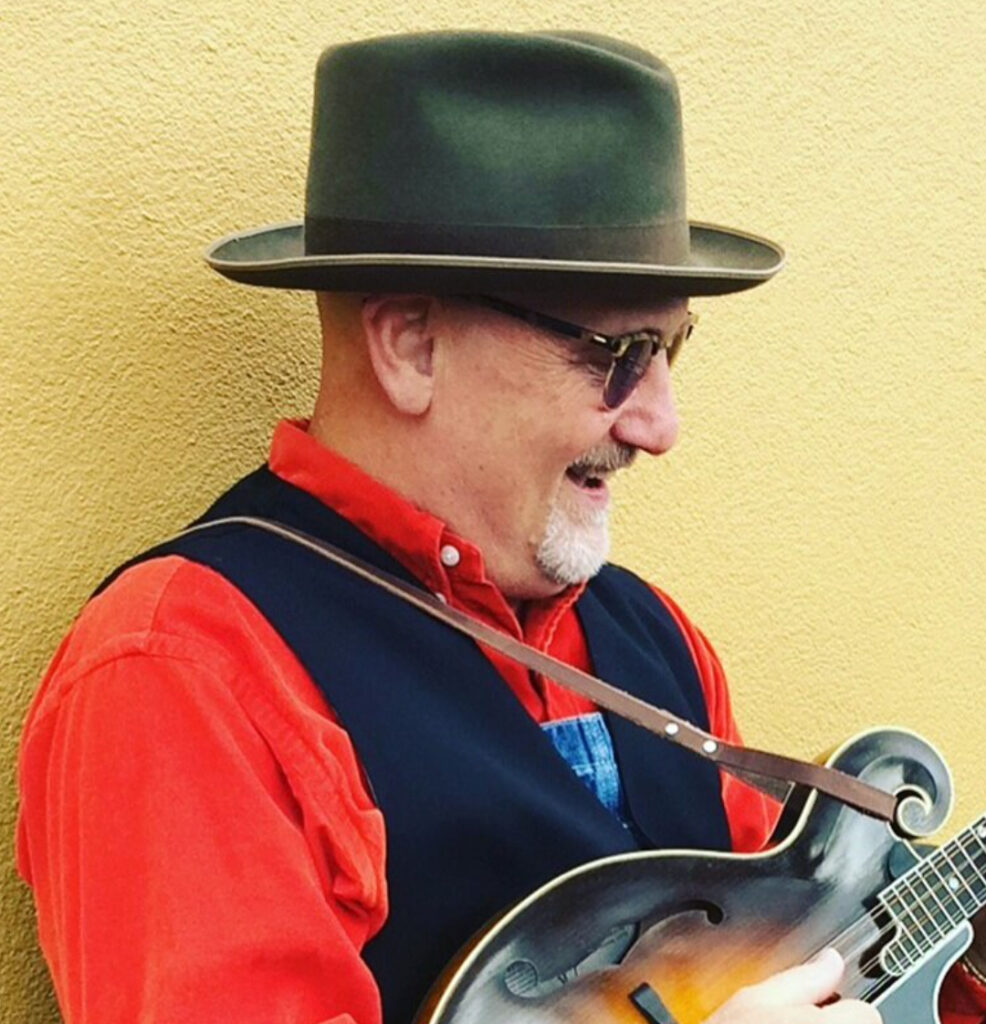
Mike Compton, a longtime member of the John Hartford String Band and the Nashville Bluegrass Band and a leading instructor of the Bill Monroe style of playing the mandolin – “I was living in my home state of Mississippi in 1972, I didn’t leave there until 1977, and it seems to me that I became aware of the Circle album not long after it came out. One of my friends had the album. I was playing very little music then, although I did start playing mandolin when I was about 15, which was the year before the album came out. One of my pickin’ buddies was a cousin that I’ve got down there, and he kept listening to one of the cuts on the album, and he was completely taken by it, although I can’t remember which one it was, exactly. But we often listened to the whole thing, even though we didn’t know most of the people on there at the time. We used to listen to it quite frequently because it was really the only record that any of us had that had that kind of music on it.
“At the time, when that album came out, it was all sort of a dream world to me. I didn’t think that I’d ever be at the point where I could play music that well. I had just taken up the mandolin, yet we were really living in a musical wasteland down there, where there wasn’t that much to listen to in the first place. I only knew a couple of guys that I went to high school with that played any music at all. But I used to work with some of the old guys that had small farms near me, and I was hauling hay, picking peas, and mainly pulling watermelons for them, the regular routine. Those were the guys that played music down there. We worked for them for minimum wage just to make some money in the summer. They were the only people I knew that played any kind of string band instruments.
“Then, many years later, I got to meet some of the folks on that Circle album, including Vassar and Earl, Jimmy Martin, the Dirt Band guys, and Norman Blake, whom I still call once a month to check up on. And, at MerleFest, my band mates and I in the Nashville Bluegrass Band would play with Doc Watson every Sunday morning at his gospel show. During the last year that we worked with him, that was the last show that he did before he passed away. We used to share a dressing room with him up at the Walker Center at MerleFest, and there was a piece of paper on the counter there, and when we got ready to leave, I picked it up to see what was on it, in case one of us had left something behind. It was a note that I think was written by his niece, telling whoever was helping Doc get around that day where to let him eat, what he could eat, and what he could not eat. The note said, ‘By no means, do not take Doc to such-and-such a restaurant and do not let him have pie.’ It looked like it had been scribbled down on the edge of a notebook. I just picked it up and put it in my mandolin case, and I’ve got it around here somewhere.
“Looking back, being able to play with Doc gave me a feeling of gratitude as I knew there was not a lot of people getting to do this, to play a regular Sunday morning gospel show with a legend like Doc Watson. After doing it a few times, of course, Doc just made everybody feel like they were old friends, and that’s the way he treated everybody, which endeared people to him.”