Notes & Queries – March 2026
Q: Today on Bluegrass Jamboree, I heard the Stanley Brothers’ OLD version “put your head on my shoulder.” It sounded like Ralph was doing some “Stringbean 2-finger” picking, and it was “crude” in a way, but still great. Was this 1946 or ‘47? Nothing much on the “net” on this. I still get goose bumps when Ralph cuts loose. I’m 84 and have been listening to country music since I was five years old. I used to listen to Don Larkin on the Home Town Frolic, 970 AM in Newark, New Jersey. Roger Freiday.
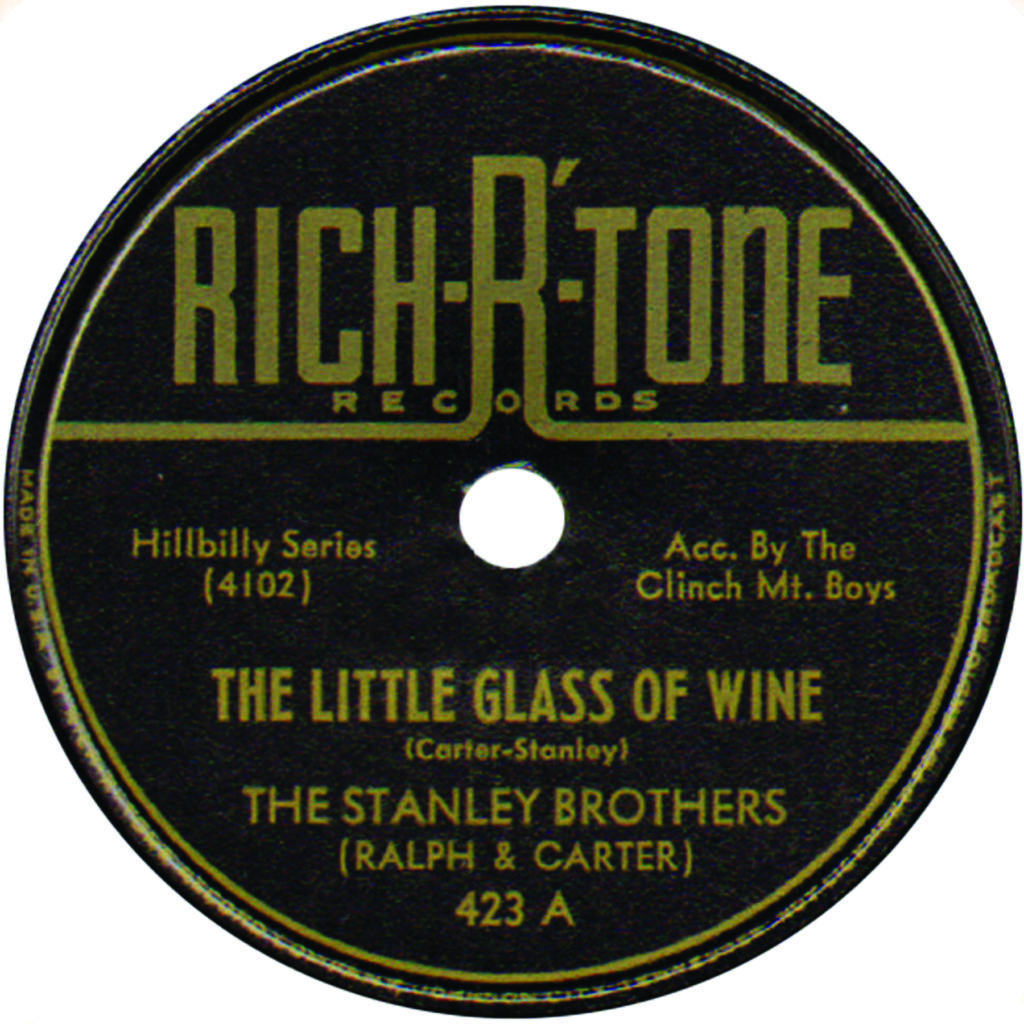
A: It sounds like the song you’re talking about is “The Little Glass of Wine,” which contains the line “She laid her head over on his shoulder.” Throughout the late 1940s and early 1950s, the Stanley Brothers recorded this song on three separate occasions. The first time was in early 1948 for Rich-R-Tone Records. Ralph Stanley had yet to perfect the three-finger style of playing and was, indeed, using a rudimentary two-finger style. Many people have likened his playing of this era to that of old-time great Wade Mainer. The Stanley Brothers’ second recording of the song was a year later, and was made on March 1, 1949, for Columbia Records. By this time, Ralph had adopted the three-finger style. The duo’s last studio recording of “The Little Glass of Wine” (also using three-finger style picking) was made in 1952, again for the Rich-R-Tone label. Fiddler Art Stamper pointed out that each time they recorded the song, they performed it in a different key. It was, without a doubt, the most popular song from the early days of the Stanley Brothers’ career.
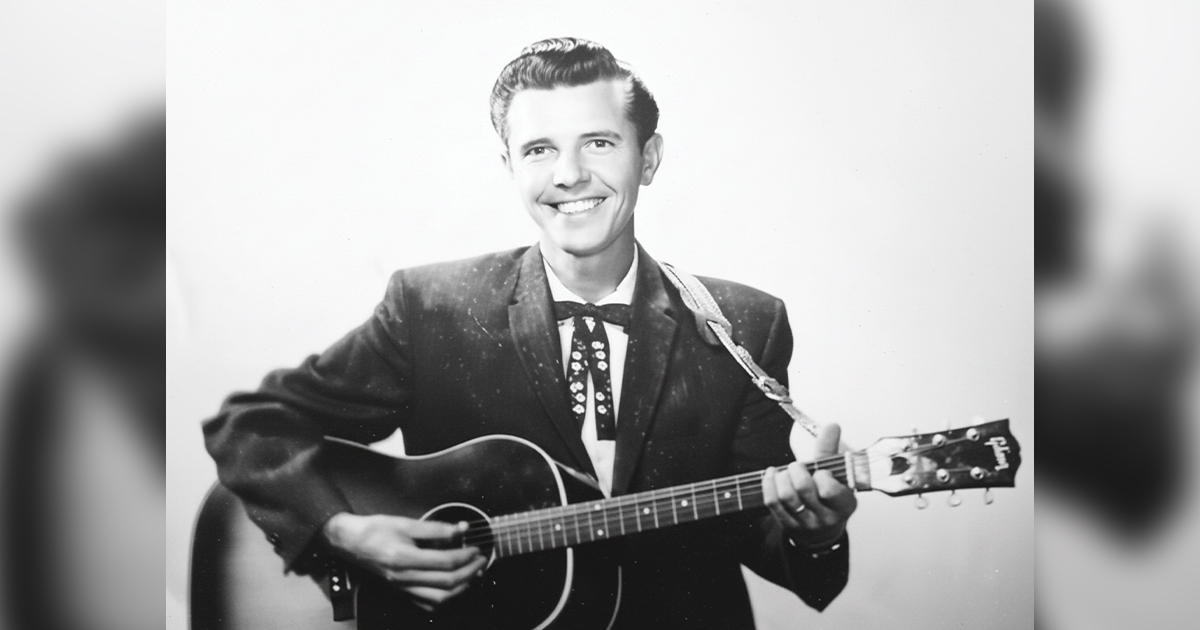
Q: I have a Christmas 45 by Jimmy Haney, “Let’s All Have An Old Fashioned Christmas”/”Would You Like To Ride With Santa” on the Jandel label out of Warrenton, Virginia. A friend of mine has it on a label out of Centreville, Virginia. I grew up in Manassas Park, Virginia, and was good friends with Jimmy’s sons. I would have to get Jimmy’s autograph every couple of weeks for my aunts. Did Jimmy Haney record any other records and if so, what label and who played on them? Where was he from? Bob Embrey, Gainesville, Virginia.
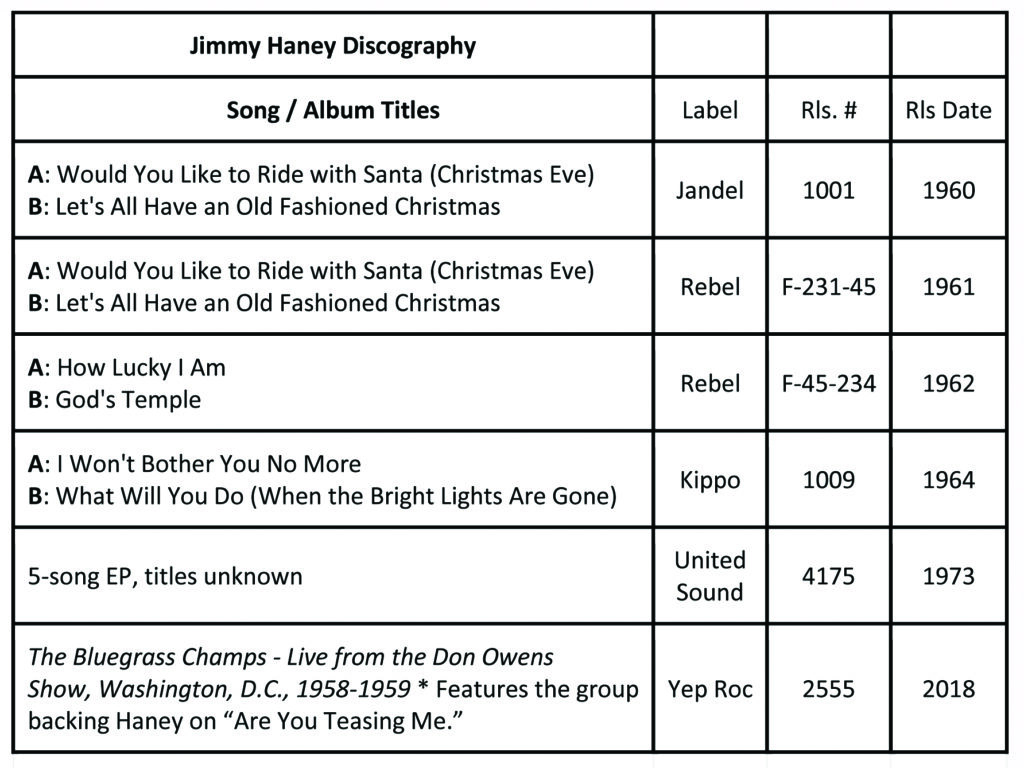
A: The short answer is Jimmy Haney only made a few recordings, three or four at the most. In addition to his Christmas single, which was first issued on the Jandel label and later reissued on Rebel, he had a single on Rebel (which Disc Collector labeled as “modern country”), a single on the obscure Kippo label, and a five-song extended play disc on the United Sound label. The only other example of Haney’s music was one track on a 2018 CD by the Bluegrass Champs (aka Stoneman Family) where he appeared as a guest artist. (Yep Roc Records, YEP-2555)
Haney was mainly a purveyor of country music of the day. One of his claims to fame was that he and his band served as a back-up group for an emerging Patsy Cline. He was with Cline on the stormy 1963 night when she boarded a plane that soon afterwards crashed and took her life. Limited space on the plane prevented Haney from joining her on the flight; he later interpreted his being bumped from the flight as the hand of Providence looking out for him. It was an event that shifted Haney’s efforts from country music to gospel.
Throughout the 1950s and ‘60s, Haney was a mainstay of the Washington, D. C. country music scene. He played venues that frequently hosted bluegrass performers, and he rubbed elbows with many of the area’s bluegrass and country music elite. For example, the 1962 International Country Music Festival at Old Dominion Park in Warrenton, Virginia, featured Haney along with George Jones, Teddy and Doyle Wilburn, Little Jimmy Dickens, Bill Harrell, Smiley Hobbs, Bill and Wayne Yates, and the Clinch Mountain Ramblers, and Mercury Records fiddler Buck Ryan. For a period of time, Haney was managed by bluegrass-friendly disc jockey/promoter Don Owens.
Jimmy Haney, born on July 17, 1924, in Green, Virginia, to Charles Raymond and Bessie Haney, lived a life deeply intertwined with music and community. Raised in Virginia, he developed a passion for music early on, inspired by his upbringing in the Blue Ridge Mountains. As a child, he acquired his first guitar by selling seeds, which sparked his dream of playing music and meeting Grand Ole Opry stars. His journey into professional music began in the early 1950s while living in Washington, D.C. His band was known as the National Troubadours. Haney also worked as a radio announcer at WKCW in Warrenton and later at WEEL Radio in Fairfax, Virginia, where he co-hosted a platter show and sang on the Hymn Time segment.
In addition to his music career, Haney served in the United States Navy during World War II and worked various jobs, including as a taxi driver and later as Sergeant of Security at Geico, where he eventually retired. After leaving the club scene, Haney continued to share his love for music by singing with his wife at nursing homes and churches.
Jimmy Haney passed away on April 1, 2023, in Macon, Georgia, where he had lived since 1974.
March 1955: Hack Johnson and “Home, Sweet Home”
“Home, Sweet Home” was something of a one-hit-wonder for Hack Johnson and his Tennesseans. Most likely recorded in mid- to late March 1955, and released in mid-April, it brought more widespread recognition of his talents beyond his base in Raleigh, North Carolina; served as a gateway for appearances on the 50,000-watt Old Dominion Barn Dance in Richmond, Virginia; and influenced at least one bluegrass player: Don Reno. But, despite all this AND having a successful performing career that spanned nearly 20 years, from 1938 to 1957, Hack Johnson remains but a footnote in the grand scheme of mid-twentieth century hillbilly music.
Haskell Lee “Hack” Johnson, born on December 31, 1920, in Scotts Hill, Tennessee, enjoyed a busy career in mid-twentieth-century hillbilly and country music. Even with nearly two decades in the limelight, tangible evidence of his contributions to the genre remains scarce. However, his life story and musical journey reflect the rich tapestry of American folk and country music during that era.
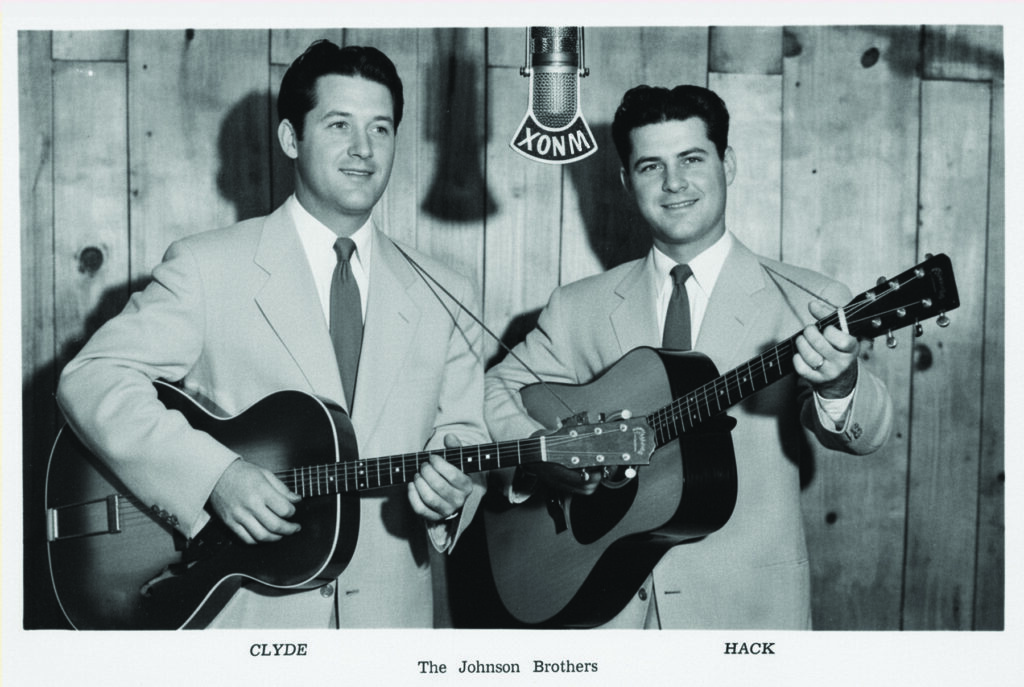
Hack Johnson grew up on a farm in West Tennessee, near Jackson, in a family of six children—four boys and two girls. He was the youngest of the siblings, with his brother Clyde being the second youngest. Hack’s love for hillbilly music was deeply rooted in his upbringing. His father, a country general store operator, often hosted Saturday night “hoedown sessions” at the store. It was during one of these sessions that Hack picked up a guitar for the first time, sparking a lifelong passion for music. Hack and Clyde were the only two in the family who pursued music, and their shared passion for singing and playing instruments began in childhood. They often staged “mock” radio broadcasts using a tin can and a stick as a makeshift microphone and stand. These early performances were the seeds of their musical aspirations, and they dreamed of one day singing on the radio.
Their first big break came in 1935 when Hack, Clyde, and their cousin won first prize in an amateur contest. The prize was a series of radio programs on a station in Jackson, Tennessee. This opportunity marked the beginning of their professional music career. During their summer vacation from school, the trio traveled through southern states, performing at various venues. Although they often played for their supper and made little money, they enjoyed the experience and honed their craft. In 1938, Hack and Clyde (billed as the Johnson Brothers) began professional careers in radio work, performing on stations in Tennessee, Asheville, and Greensboro, North Carolina.
Hack’s career was briefly interrupted by World War II. He enlisted in the Army in August 1942 and served with the Thirteenth Special Service Company, entertaining troops in England, France, Belgium, and Germany. After his discharge in October 1945, Hack returned to the United States and, with Clyde, resumed his radio career, performing on major country music programs and stations such as WNOX in Knoxville, WMPS in Memphis, WVLK in Lexington, WPAQ in Mount Airy, and WVOK in Birmingham.
In 1947, Hack and Clyde participated in recording sessions with Carl Story, who was newly signed to Mercury Records. The sessions produced a total of 16 songs, including “I’ve Found a Hiding Place,” “Keep On the Firing Line,” and Hack’s own “I’m Pressing On.” Hack contributed baritone vocals to these recordings. In a subsequent session, Story recorded Hack and Clyde’s song “No End to Heaven.”
Hack’s music resonated with audiences due to its authentic and heartfelt nature. He had a deep appreciation for old-time tunes and hymns, which he believed held a special place in the hearts of his listeners. His performances were characterized by a clean and entertaining variety, often featuring collaborations with other talented musicians. For instance, in 1949, Hack worked in Memphis with Smilin’ Eddie Hill, the Louvin Brothers, and Paul Buskirk. An oft-featured part of his shows was Ray Myers, frequently billed as “the armless wonder.” He amazed audiences by playing musical instruments with his feet.
By 1952, Hack began working as a solo artist and collaborating with Speedy Clark to rent the Johnson City auditorium for Saturday evening jamboree type broadcasts. For a period of time, he was billed as Hack Johnson and Lonesome Pine Boys and hosted the Hawkins County Barn Dance over WJHL. In 1953, Hack joined WPTF radio station in Raleigh, North Carolina. He was rejoined briefly by Clyde, and they performed as the Carolina Pals. Later that year, Clyde left, and the show was renamed Hack Johnson and the Tennesseans.
Hack’s time at WPTF was marked by significant achievements. In 1955, he recorded “Home Sweet Home.” The song became a regional hit and was one of the first hillbilly records available in both 78 rpm and the newer 45 rpm formats. A key part of the disc’s success was the playing of 17-year-old banjo picker Allen Shelton. He made good use of recently installed Scruggs tuners, which allowed rapid string pitch changes and added a unique sound to the music. Others on the record included fiddler Roy Russell, chop-rhythm guitarist Curley Howard, and bassist Joe “Flapjack” Philips.
The band’s arrangement of “Home Sweet Home” was so popular that it inspired a hastily arranged cover version by Don Reno. The disc’s flip side was somewhat of a novelty number called “You Don’t Have to Be From the Country” . . . to like the music of a good hillbilly band. The song was later popularized by sports broadcaster Dizzy Dean. Hack’s recording was released on the regional Colonial label (CR 401); the firm had recently gained fame for releasing Andy Griffith’s popular “What It Was Was Football.”
The success of “Home Sweet Home” propelled Hack and his band into the spotlight. They made their debut on the Old Dominion Barn Dance in Richmond, Virginia, in May 1955, where the song had become a favorite among country music fans. Two subsequent discs soon followed: “What About You Friend” / “Gone Home (CR 402) and “Crazy Banjo Medley” / “Swanee River” (CR 405). Despite a rave review in Cash Box for “Crazy Banjo Medley,” (“they knock out a high-flying instrumental piece that fits perfectly into the current trend”) the disc failed to generate much interest.
Hack’s stay in Richmond was brief. A short time later, he became a regular on the Saturday evening WDVA Barn Dance in Danville, Virginia. Hack continued daily performances on WPTF thru October 1955.
By 1957, Hack’s presence in the country music scene began to wane. He performed a few shows at country music parks before stepping away from the spotlight. After nearly two decades of entertaining audiences, Hack Johnson seemingly disappeared from the public eye. In the mid-1970s, Hack was reported to be doing radio work in Memphis.
Hack Johnson passed away on February 25, 1984, at the age of 63.
Over Jordan
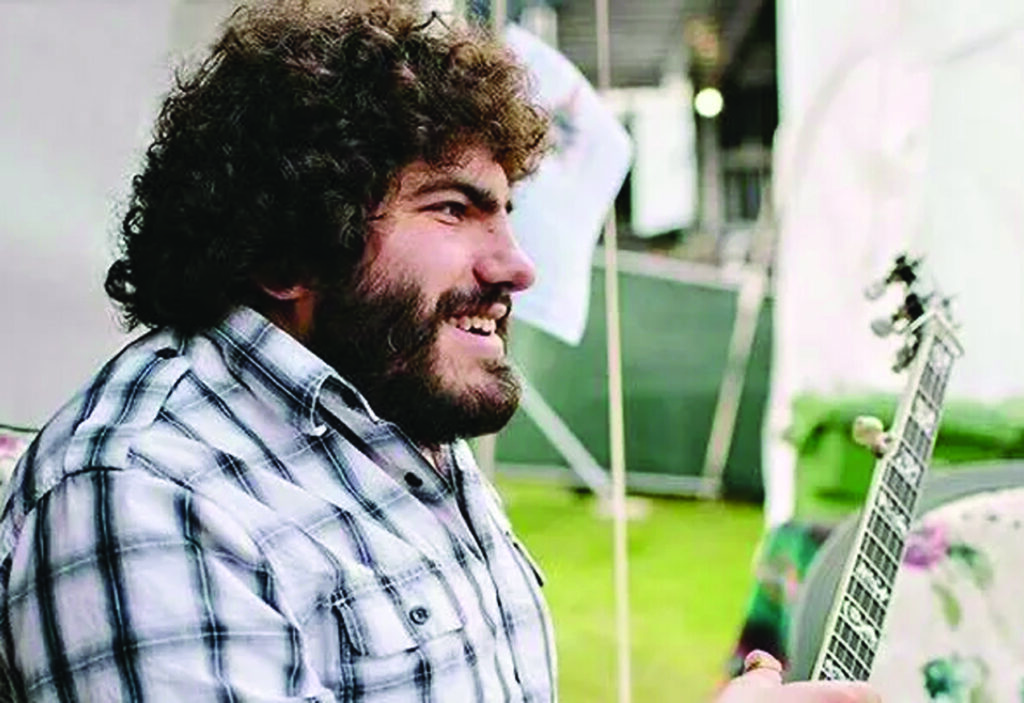
Gabriel “Gabe” Hirshfeld (October 16, 1989 – December 28, 2025) was a gifted banjo player and a beloved figure in the bluegrass community. Born in Newton, Massachusetts, Gabe discovered his passion for the banjo at age 15 after hearing Earl Scruggs play the theme song for NPR’s Car Talk. Despite trying various instruments like piano, trumpet, violin, and vibraphone, it wasn’t until he picked up a Deering Goodtime open-back banjo that he found his true calling.
Gabe began his banjo education with Bill Baer, a clawhammer banjo player, before transitioning to bluegrass under the guidance of Howie Tarnower, Glenn Nelson, and Mike Kropp—several of New England’s most respected banjo players. These mentors helped him develop his technique and instilled a deep appreciation for traditional bluegrass music.
Gabe’s talent led him to the Berklee College of Music, where he was part of the American Roots Music Program. Under the mentorship of renowned musicians like Dave Hollender, Wes Corbett, and visiting artists such as Tony Trischka and Béla Fleck, Gabe refined his skills in jazz theory, ear training, and innovative musical styles. While initially drawn to modern banjo sounds, he ultimately embraced the traditional rolling style, blending it with contemporary techniques to create a unique musical voice.
Gabe’s career flourished as a member of the Lonely Heartstring Band, which began as a Beatles bluegrass cover band and evolved into a group known for its instrumental virtuosity, three-part harmonies, and innovative arrangements. Their debut album, Deep Waters (2016), released on Rounder Records, showcased their ability to merge traditional bluegrass with modern influences. Gabe’s original composition, “Big Bruce,” exemplified his talent for crafting melodic and textured banjo tunes that honored the instrument’s roots while pushing its boundaries.
Known for his solid Scruggs-Crowe foundation, soaring melodic lines, and intricate single-string techniques, Gabe earned admiration for seamlessly integrating traditional and modern elements into his playing. His meticulous attention to detail in banjo setup and tone further demonstrated his dedication to the craft.
Gabe was a warm and engaging presence in the bluegrass community. He found joy in connecting with fellow musicians at jams and festivals, inspiring others to explore the genre and push their creative boundaries. His collaborations with artists like Tony Trischka, John Mailander, and Molly Tuttle highlighted his versatility and ability to adapt to different musical styles.
Gabe’s impact on the bluegrass world shone through his work with the Lonely Heartstring Band, his contributions to projects like the TriMountain Sessions’ CD Sloth, Indolence & Torpidity, and his passion for preserving and innovating within the bluegrass tradition. He will be remembered not only for his exceptional talent but also for his kindness and ability to bring people together through music.
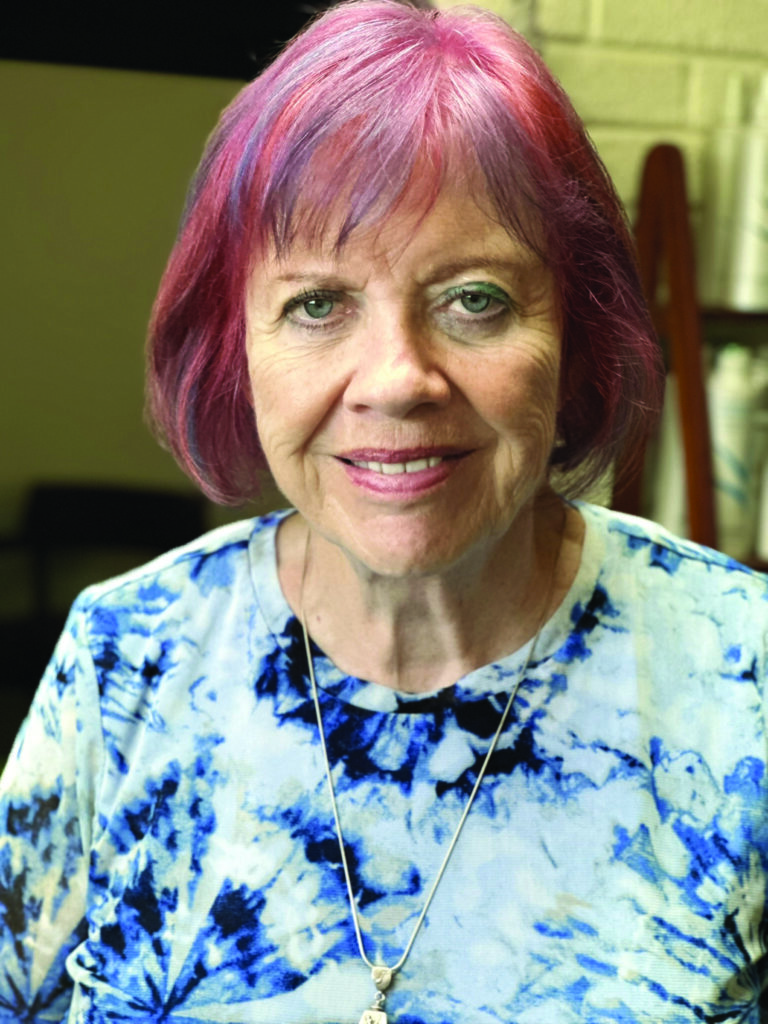
Pamela Wallace Davis “Pammy” Lassiter was a force of nature, a beacon of light, and a true champion of bluegrass music. Born on August 5, 1946, in South Carolina, Pammy’s life was a testament to the power of passion, community, and music. Her passing on January 12, 2026, has left a void in the hearts of all who knew her, but her legacy will continue to resonate through the melodies she loved and the lives she touched.
Pammy discovered her lifelong love for bluegrass music in 1977 at her first festival in Lavonia, Georgia. A talented musician, she mastered the Dobro, mandolin, and bass, earning recognition for her skills, including a first-place win on the Dobro at the Galax Old Fiddlers’ Convention in 2014. She performed with the all-woman Steel Magnolia band, the old-time band Old Blue, and captivated audiences at venues like the Maness Music Barn and with The Q Twisted Grass Entourage.
In addition to her talents as a musician, Pammy founded several key organizations that became pillars of the genre. In 1985, she co-founded the Charlotte Folk Music Society, creating a space for musicians and fans to connect. After moving to Greensboro, North Carolina, she established the High Lonesome Strings Bluegrass Association in 1997, which grew to over 250 members and became a cornerstone of central North Carolina’s bluegrass scene. Through monthly meetings, jam sessions, and the annual Pickin’ in the Park festival, the organization fostered a vibrant community of musicians and fans.
Pammy was deeply committed to nurturing the next generation of bluegrass musicians. Under her leadership, High Lonesome Strings launched a scholarship program in 2017, providing financial support for young musicians to pursue lessons and attend music camps. Over 70 scholarships have been awarded, ensuring the traditions of bluegrass music continue to thrive. Her efforts to inspire and mentor young talent were widely recognized, with many scholarship recipients going on to make their mark in the bluegrass world.
In 2006, Pammy founded the Gathering of Resonateurs, affectionately known as ResoGat, an annual event in Wilkesboro, North Carolina, that brought together Dobro players, builders, instructors, and enthusiasts from across the country. ResoGat became a beloved tradition, with over 100 attendees each year sharing their passion for the instrument.
Pammy’s impact was celebrated throughout her life. In May 2025, High Lonesome Strings honored her during their annual Pickin’ in the Park festival at Hagan Stone Park in Pleasant Garden. The event featured regional bands, youth performers, and special guests, including Darin & Brooke Aldridge. Pammy was recognized for her 28 years of dedication to the organization, and the Never Too Late bluegrass band presented her with a $2,800 donation in her honor.
Pammy shared her love for bluegrass with her husband, Rolo T. “Big T” Lassiter, whom she affectionately called her “whole world.” Together, they performed on stage, organized events, and supported the bluegrass community. Their home in West End, North Carolina, became a gathering place for musicians and friends, and their partnership inspired all who knew them.
Pammy’s compassion and generosity were hallmarks of her character. Whether organizing festivals, mentoring young musicians, or sharing a song, her love for bluegrass and people shone through. Her legacy will live on through the organizations she founded, the musicians she inspired, and the countless lives she touched.
In her honor, the first annual PAMMY FEST will be held on June 12 and 13, 2026, at 310 Tram Road, West End, North Carolina. Featuring performances by Darin & Brooke Aldridge, Caroline Owens, Starlett & Big John, Steve Dilling and friends, and the Bluegrass Brothers, the event will celebrate Pammy’s life and contributions to the bluegrass community.